
Hastings Pier by dRMM in England
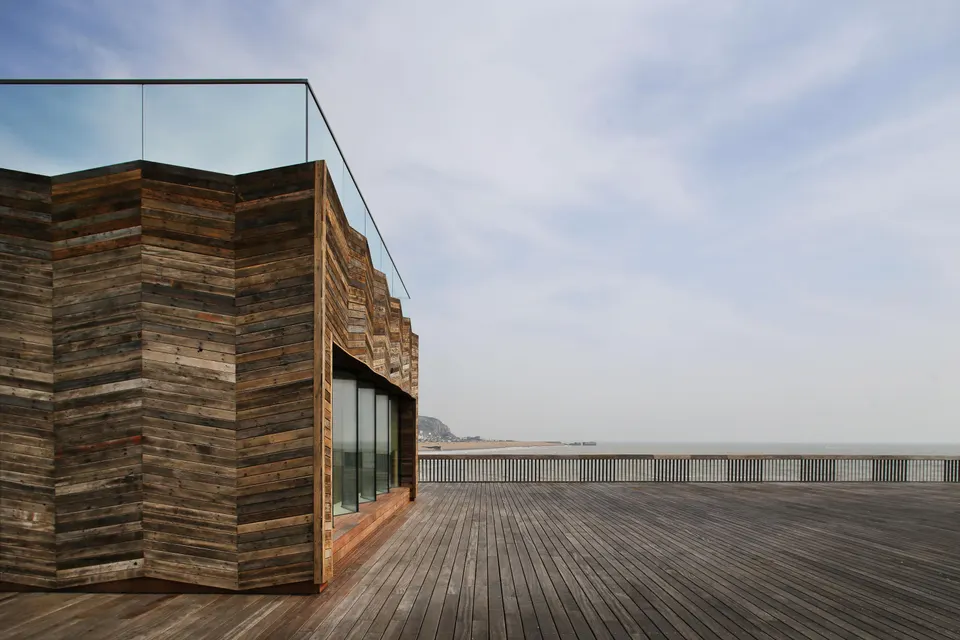
London-based architecture practice dRMM (de Rijke Marsh Morgan) won the RIBA Stirling Prize last year, along with seven other awards, for its work on Hastings Pier. A look back at a project that nobody could afford to fund.
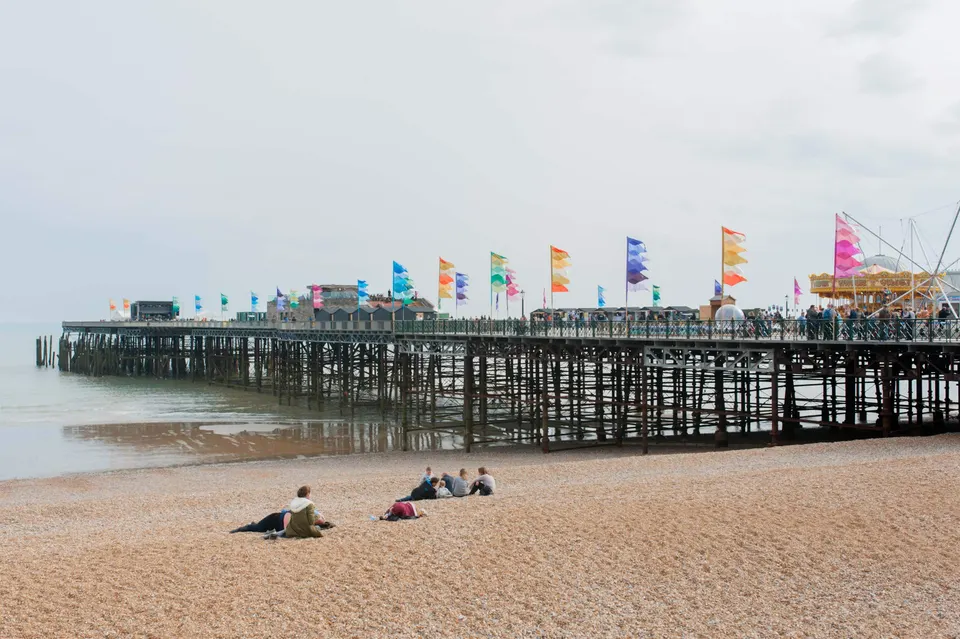
Hastings Pier: project background
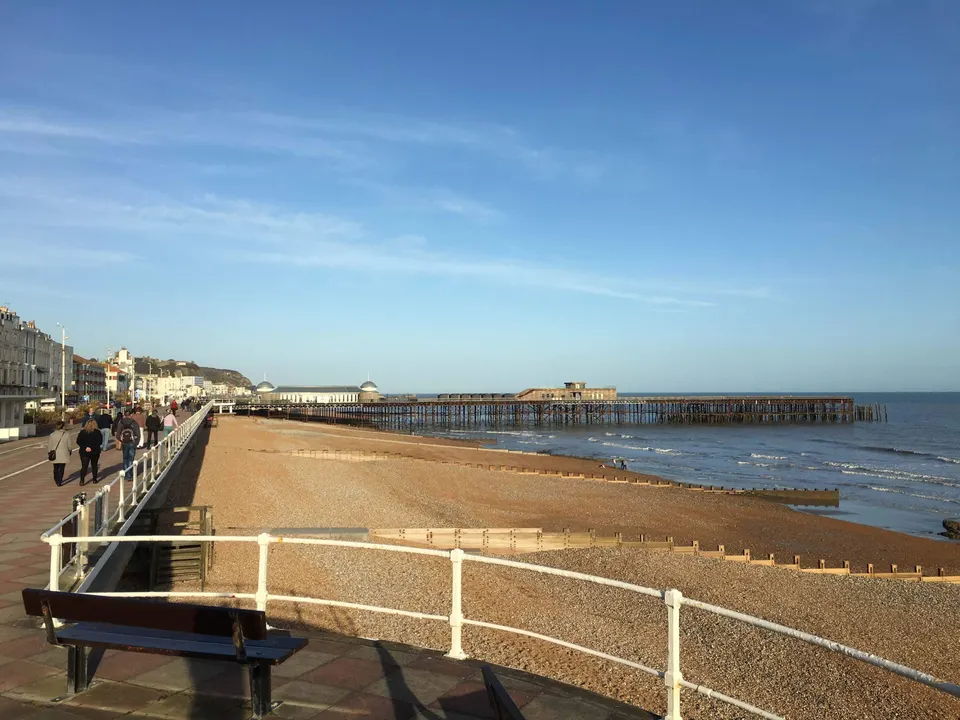
We are in Hastings, a town of 100,000 people 85 km south-east of London. The French know it for the battle fought there in 1066 between the French-born William the Conqueror and the last Anglo-Saxon king of England, Harold Godwinson. William won the battle and went on to become King of England. Some centuries later, in 1870, after the proclamation of the Republic, it was the turn of Emperor Napoleon III to take brief refuge there with his wife, three years before his death. It was in this period, in 1872, that Hastings Pier was built.
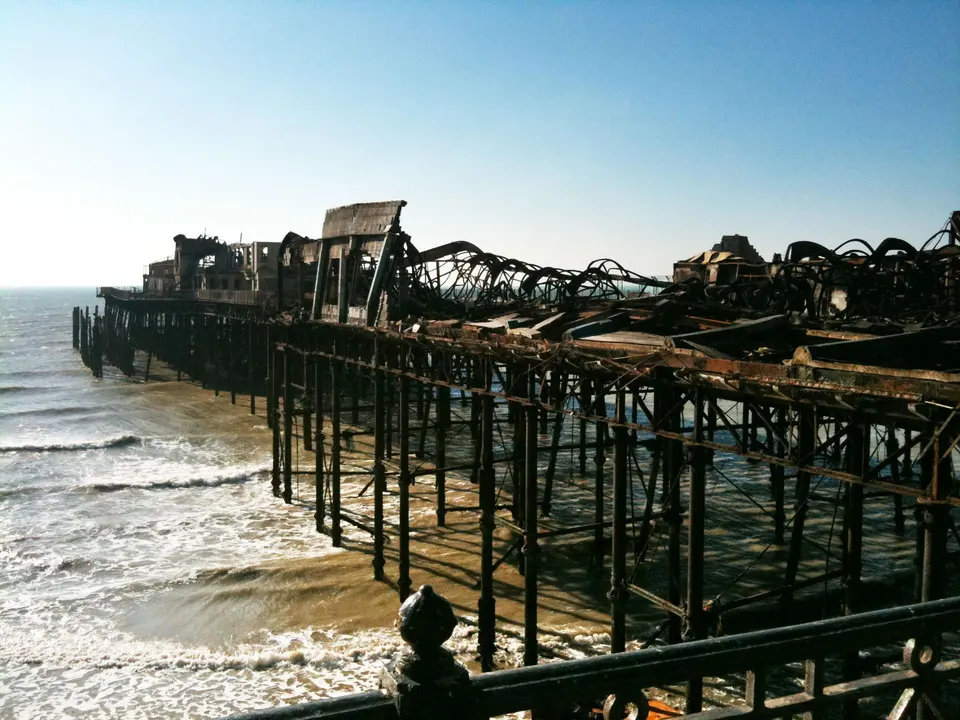
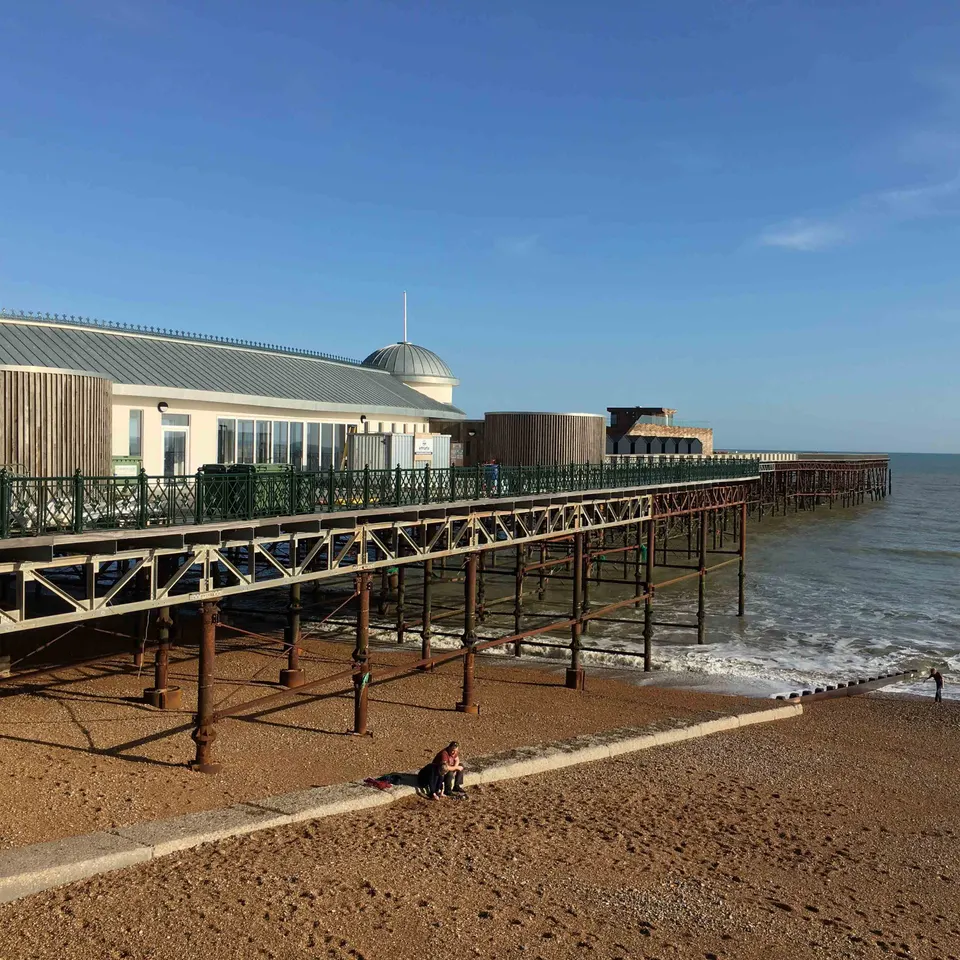
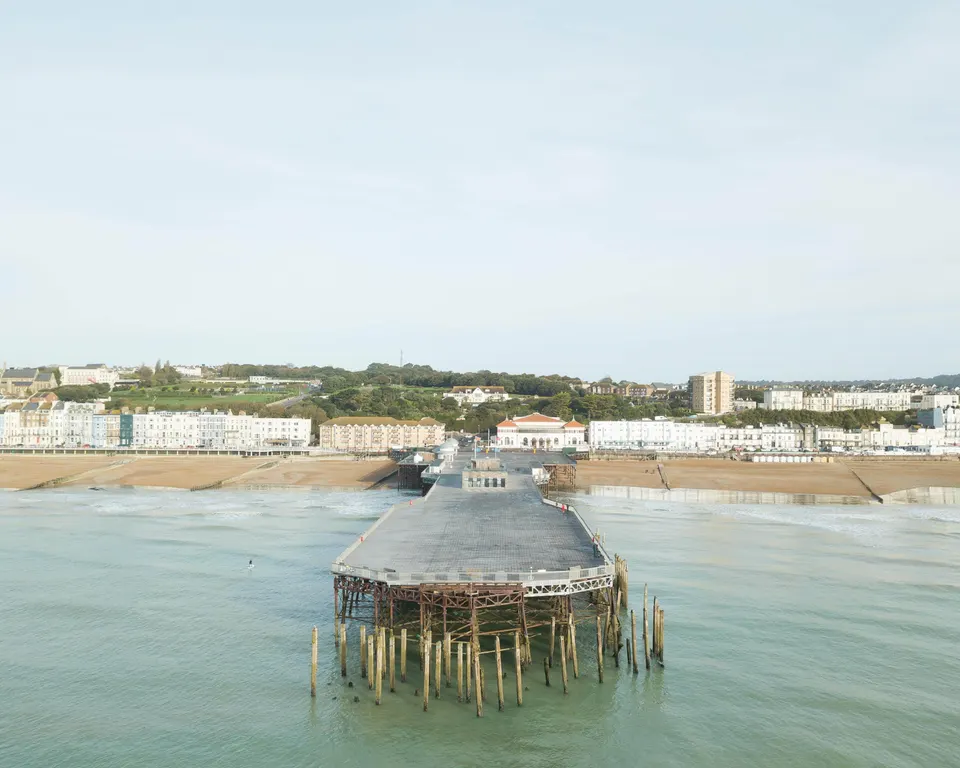
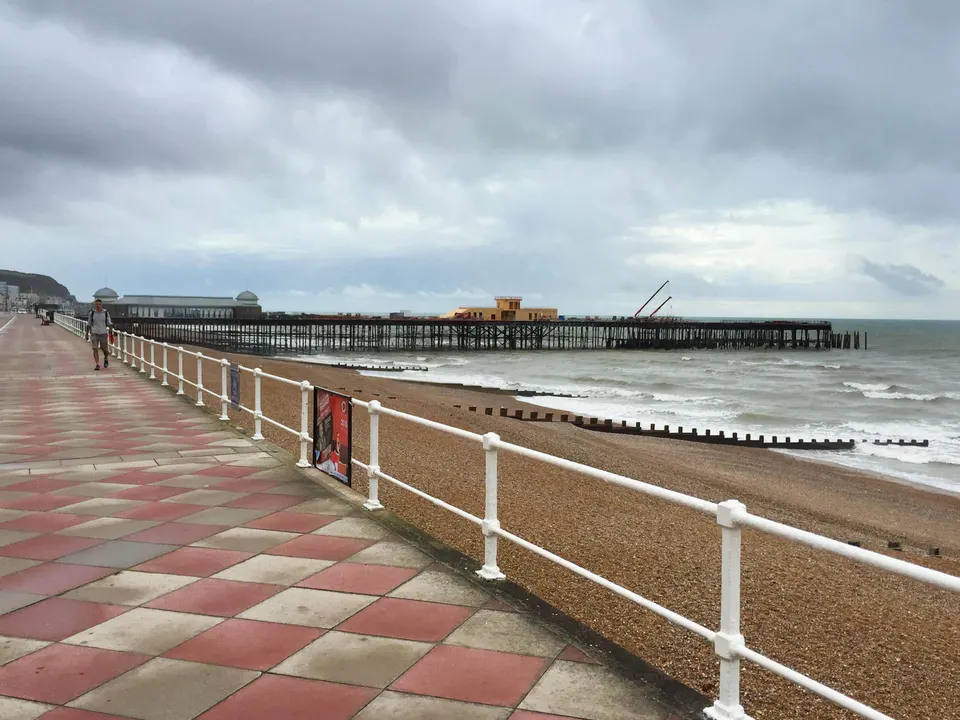
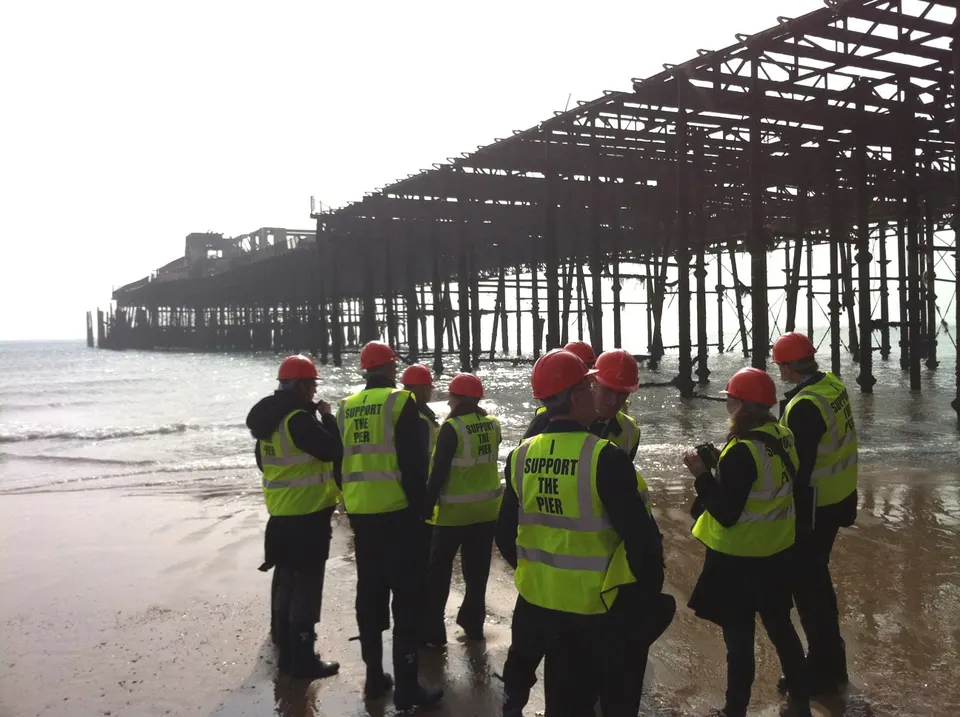
The pier was later destroyed by fire in 1917 and rebuilt in 1922. In the 1960s it became famous for hosting major music events, with the stars of the day such as the Rolling Stones and Pink Floyd playing concerts there. Unfortunately, in 1990 a storm struck it head-on; the deck was repaired, but the structure beneath remained badly damaged. As its condition continued to deteriorate, it was closed for safety reasons in 2006. The council then considered demolishing it at a cost of £4 million, but a community campaign came to its defence and tried, as best it could, to give the site a cultural purpose again. A project to reopen it as a promenade was then planned, but in 2010 a fire ravaged the pier and 95% of the structure was damaged, as you can see in the photo above.
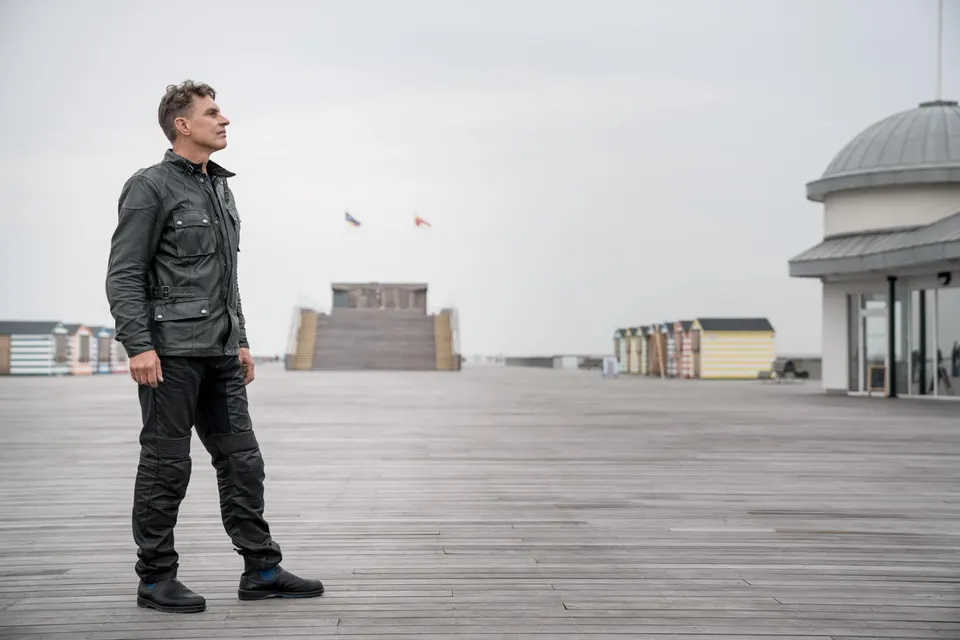
The project architect © RIBA and Peter Wilkinson
Which pier to rebuild?
When the English architects dRMM began work on Hastings Pier, one question immediately arose: what kind of pier should be built in the 21st century? There are several types of pier: those designed to shelter a harbour from swell and wind, those that receive passengers and cargo from vessels needing deep water to moor, and those, like Hastings, whose purpose is mainly cultural.
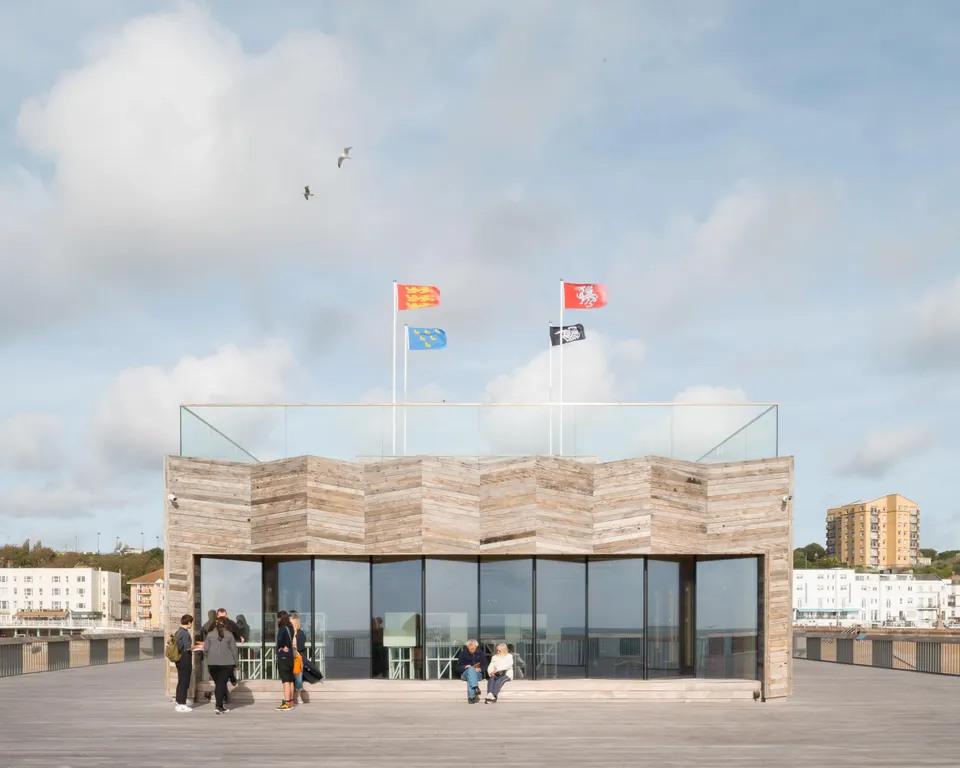
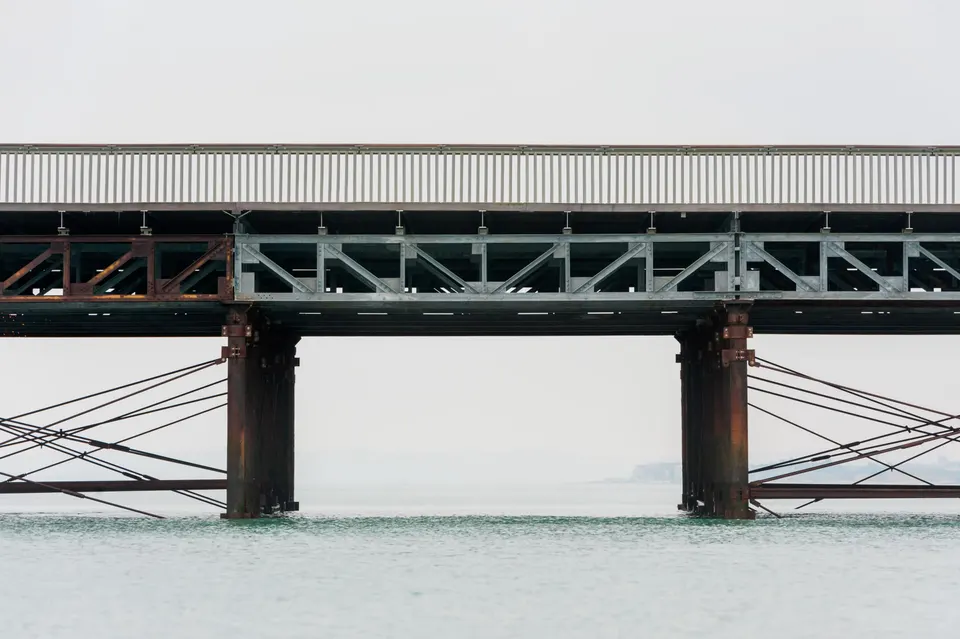
Rebuilding the pier on its existing foundations
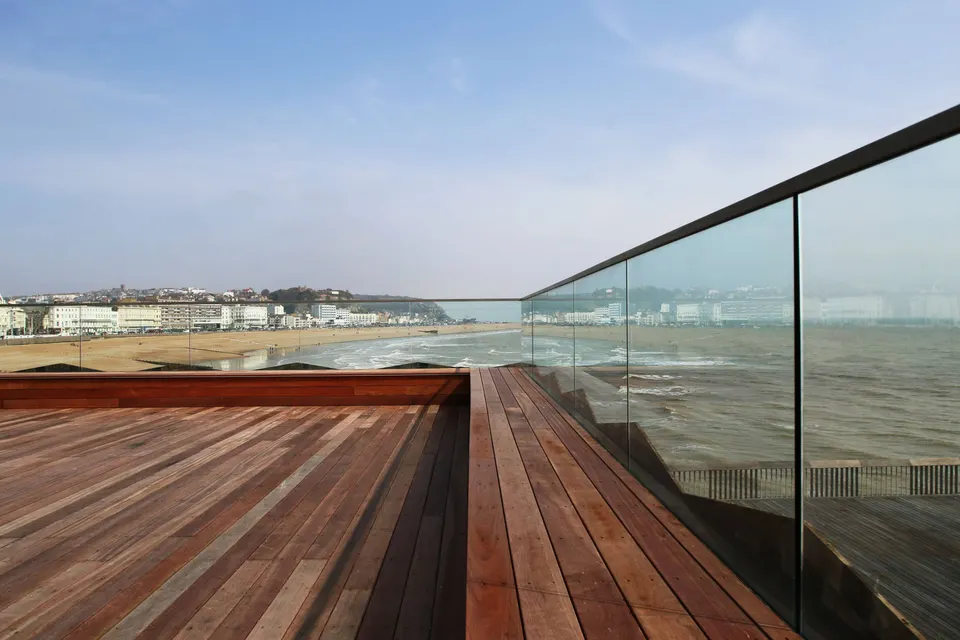
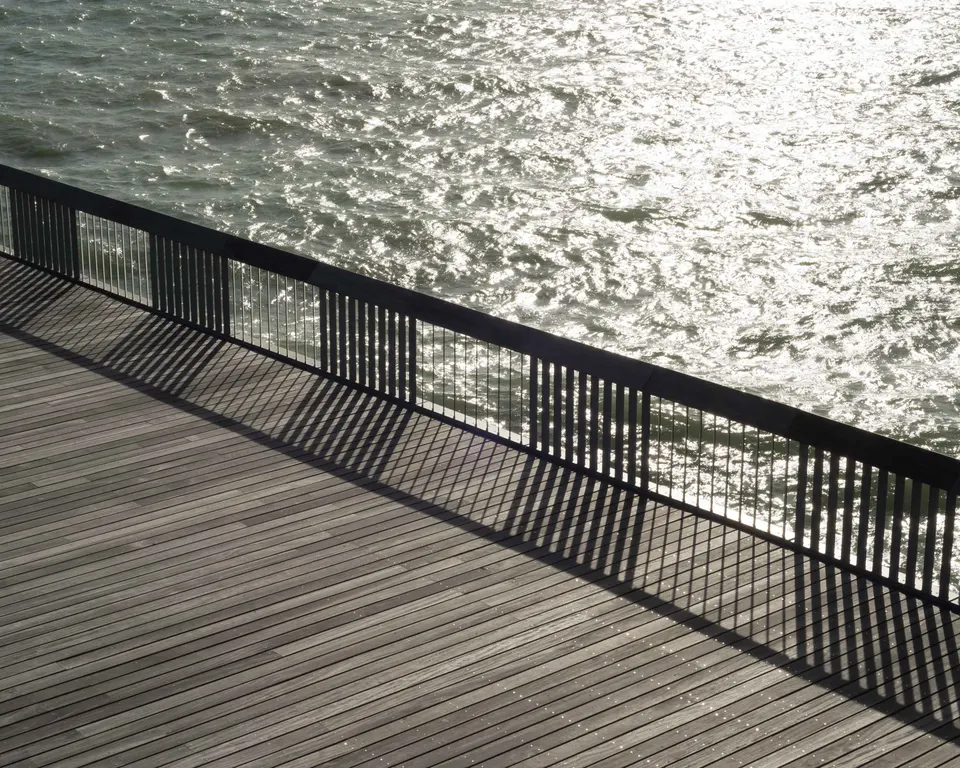
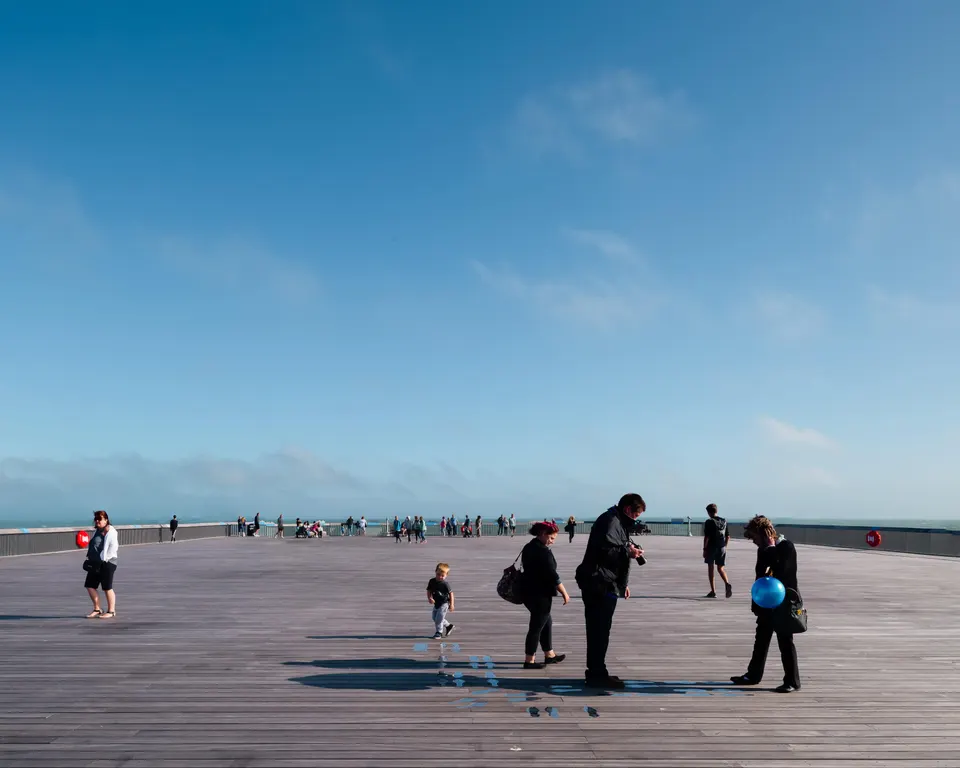
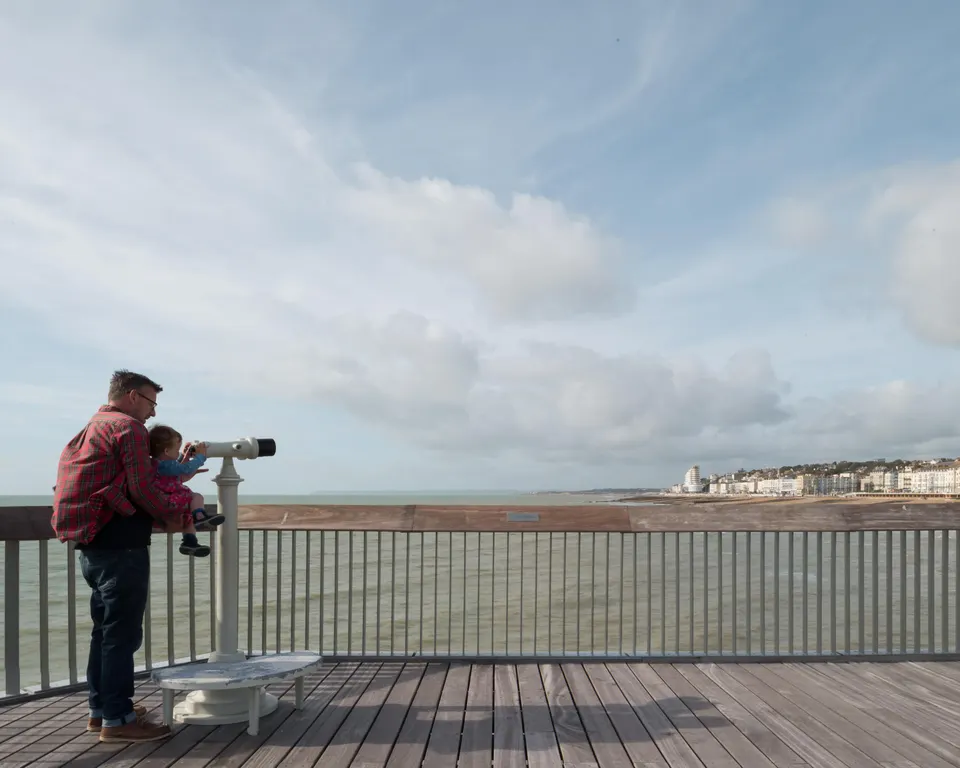
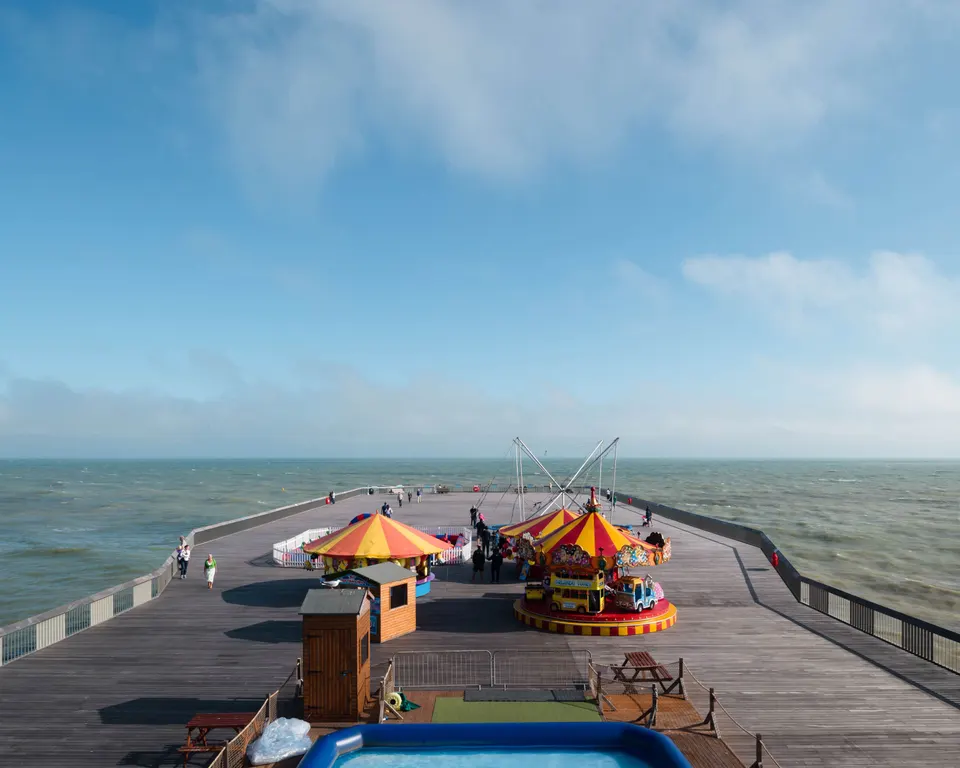
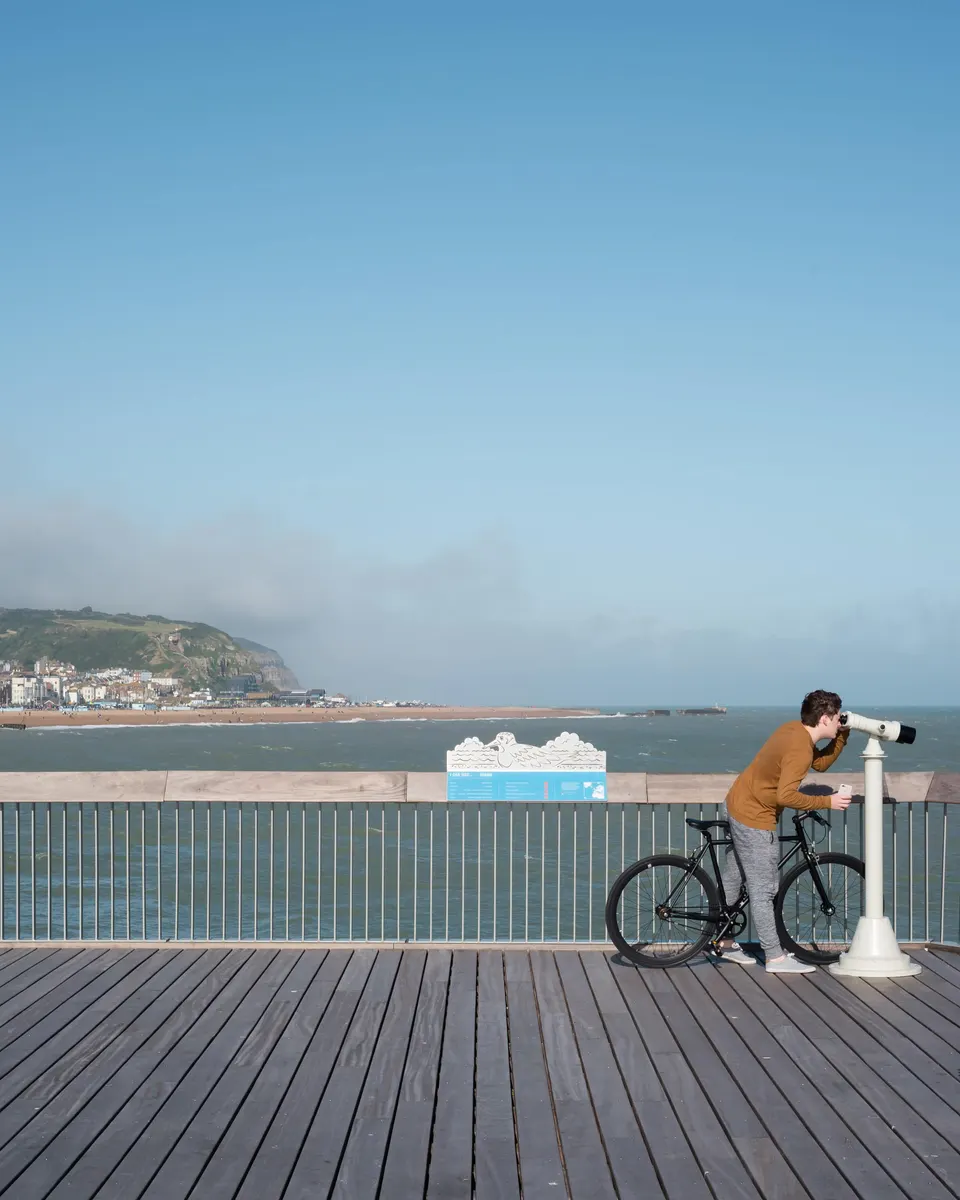
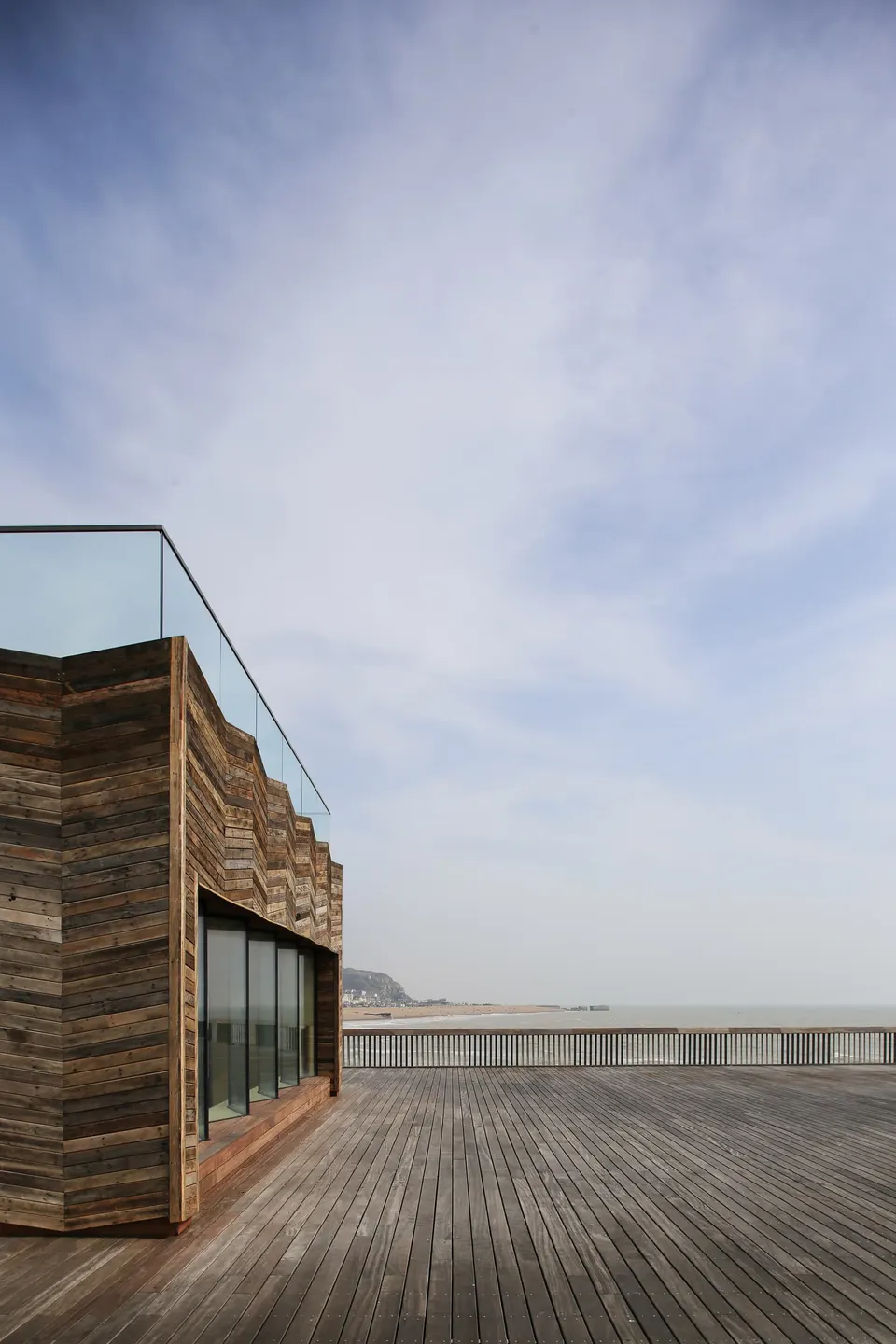
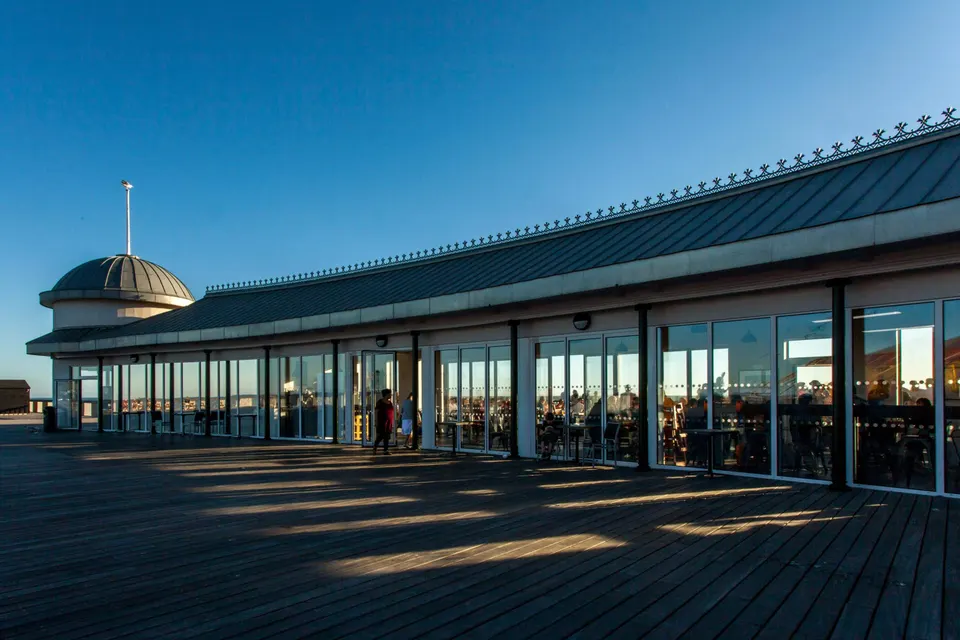
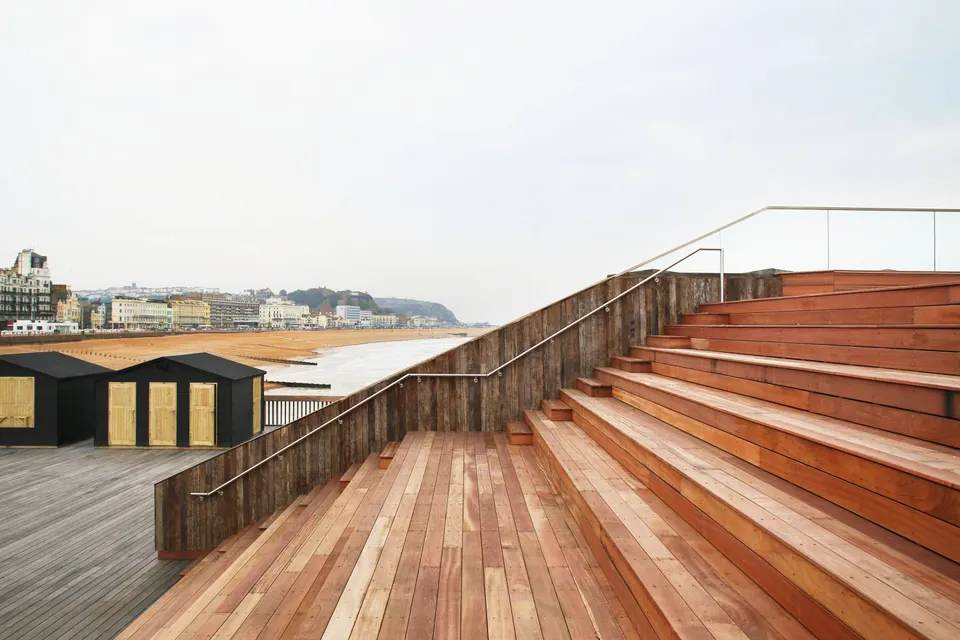
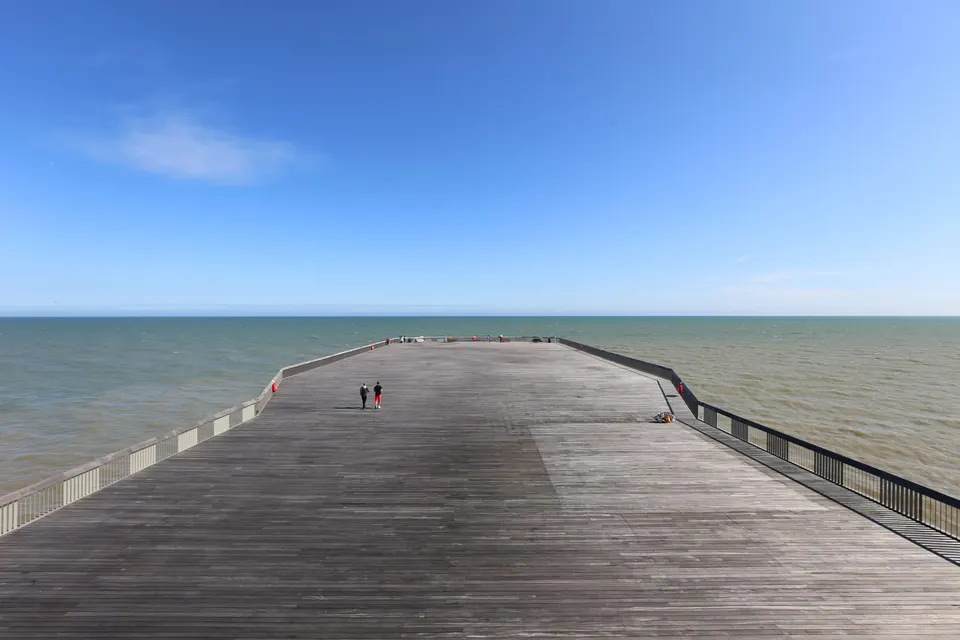
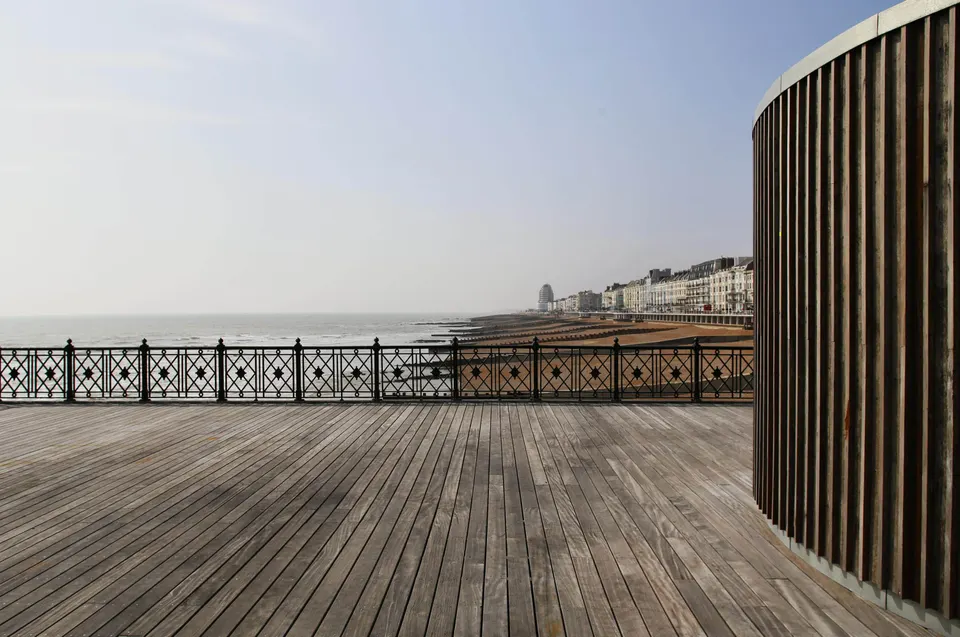
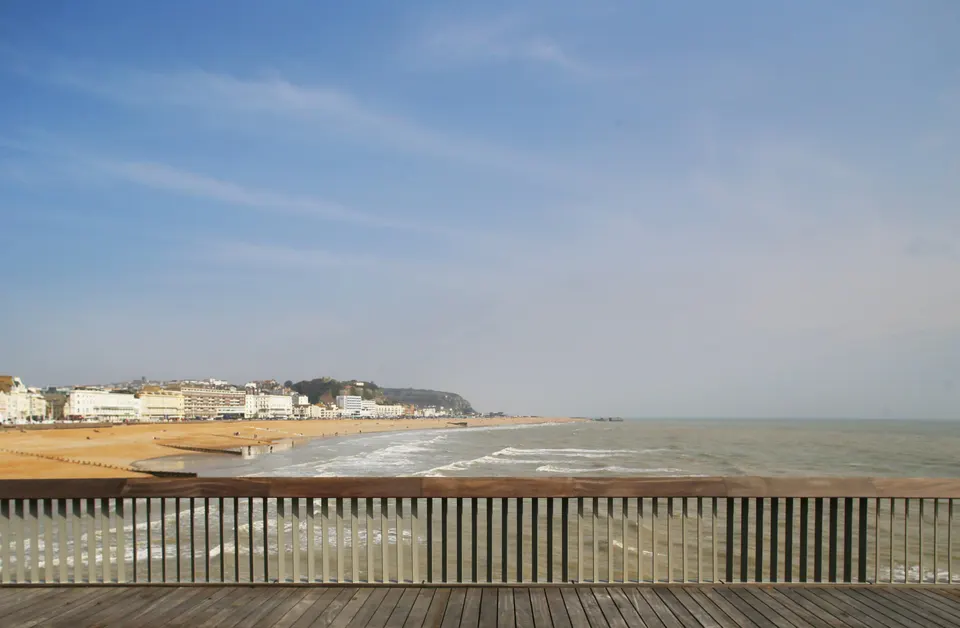
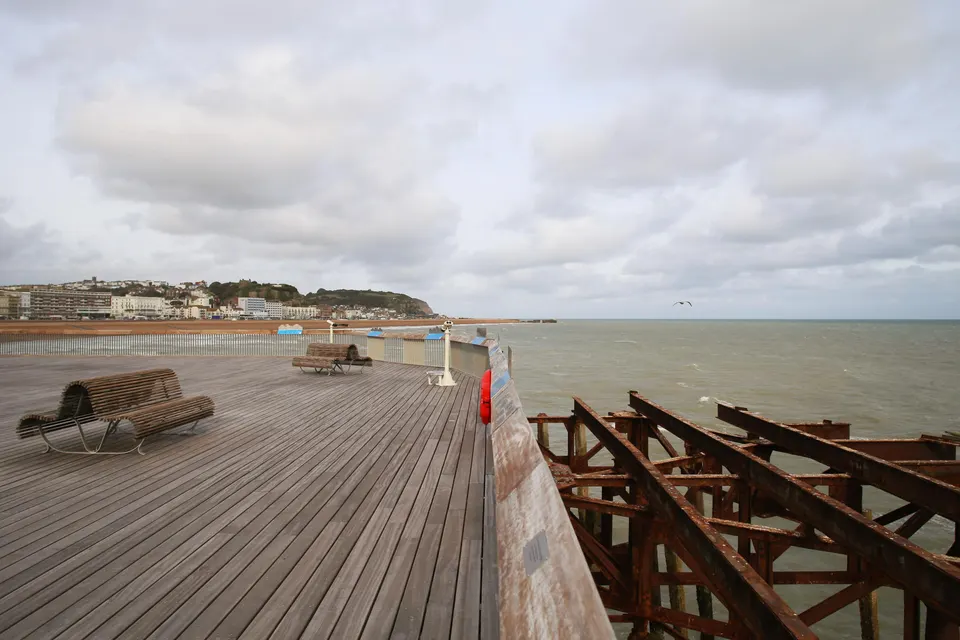
The architects' scheme first aims to rebuild the superstructure like for like and to provide once again this large expanse of open deck. The aim is to be able to host cultural events again, such as shows, funfairs and concerts. The 266-metre-long pier was then decked in sustainably planted West African timber. The old visitor reception at the foot of the pier has also been restored to house a restaurant.
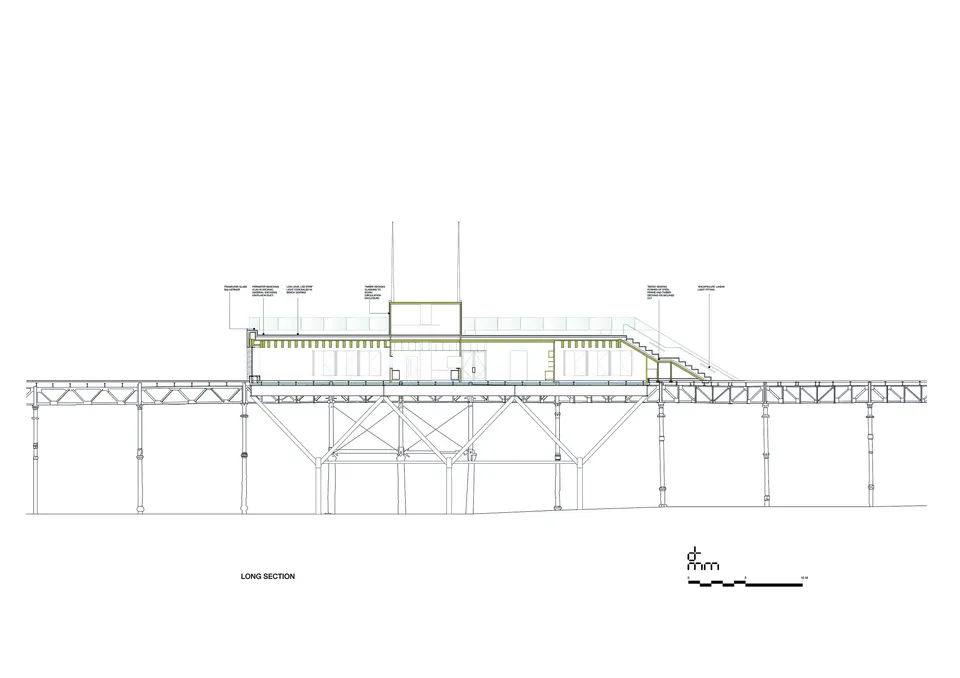
The new visitor pavilion
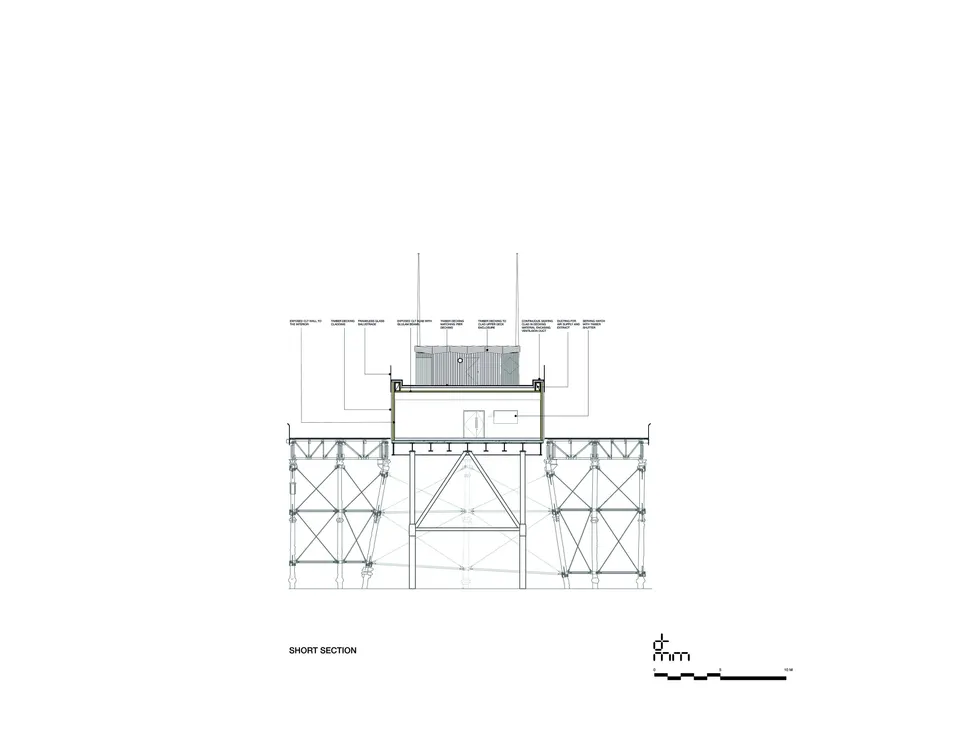
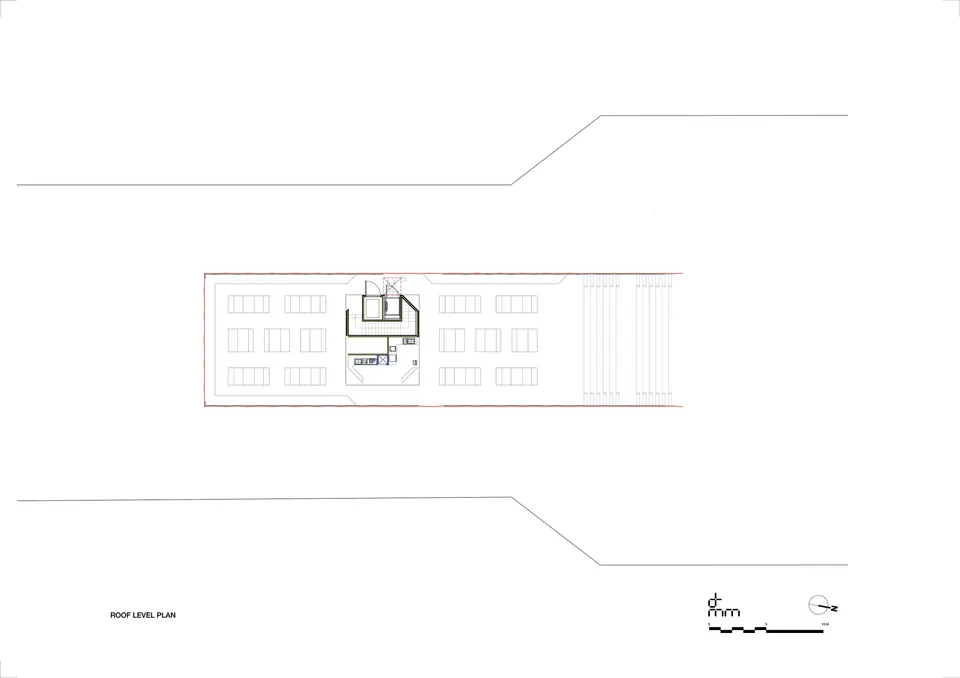
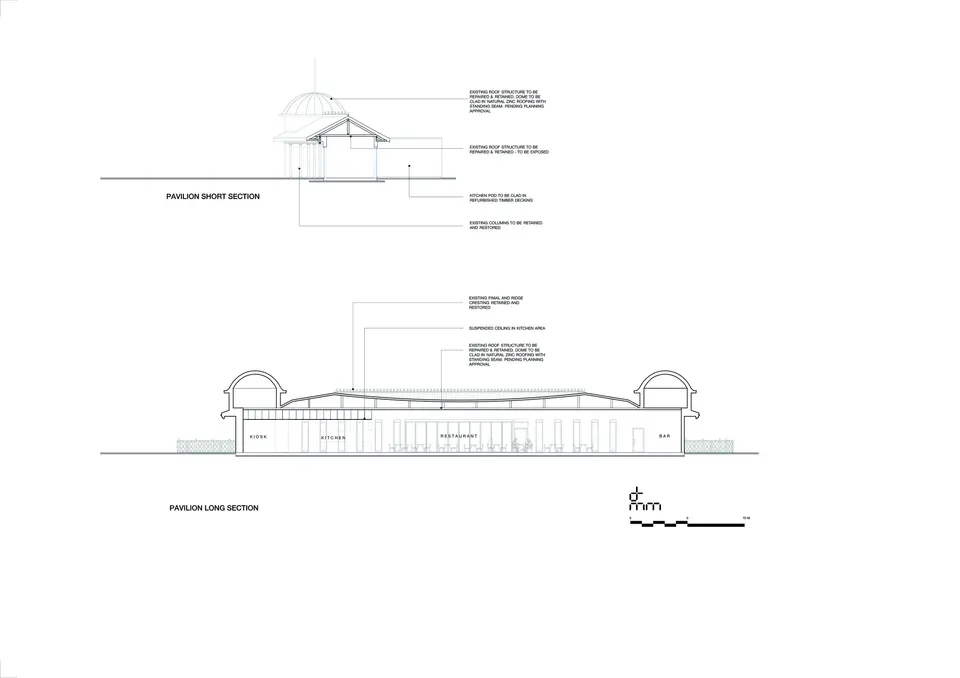
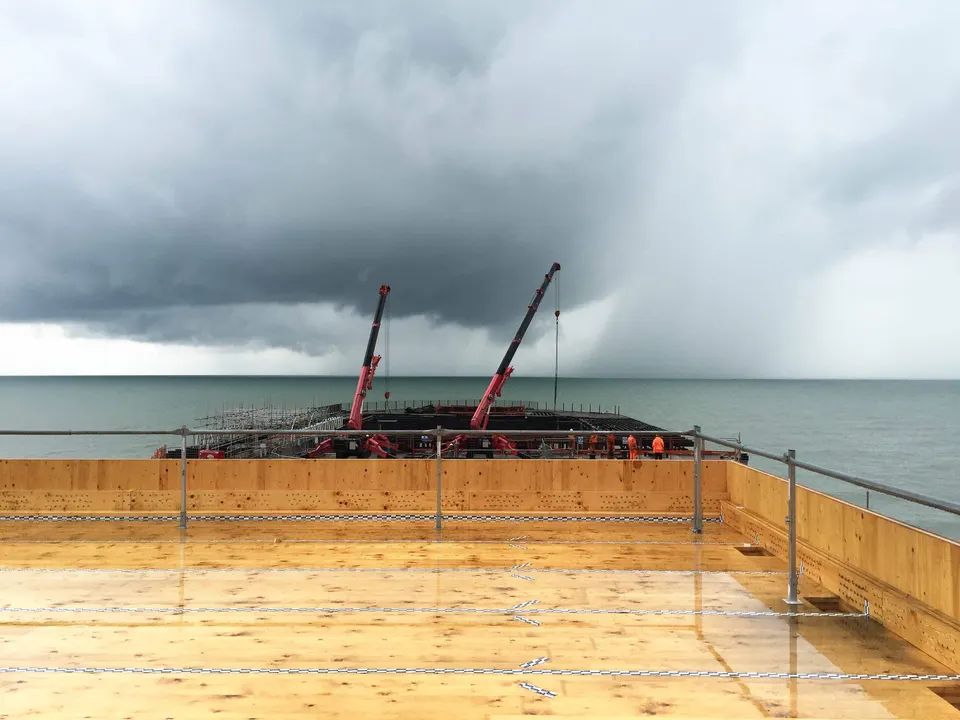
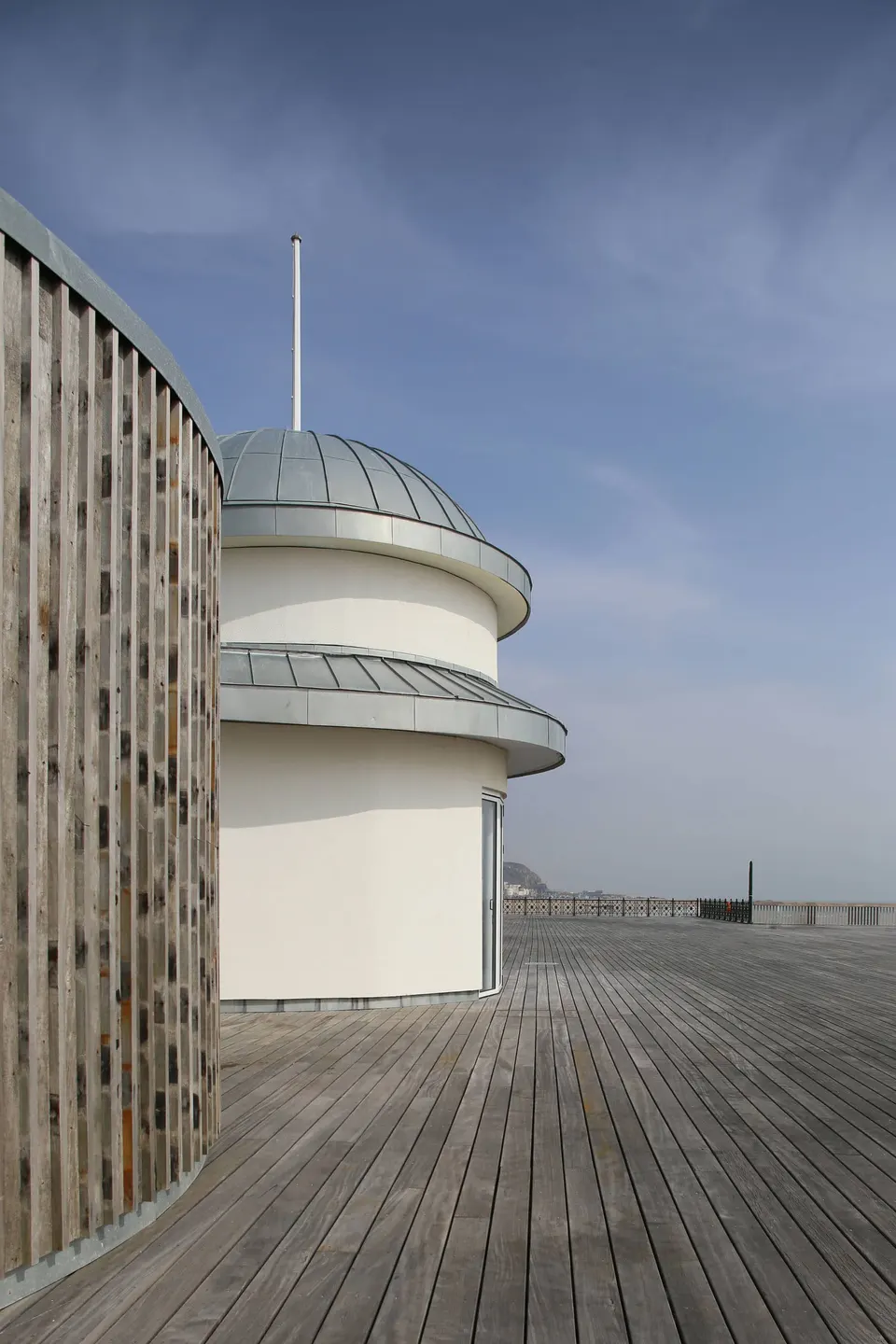
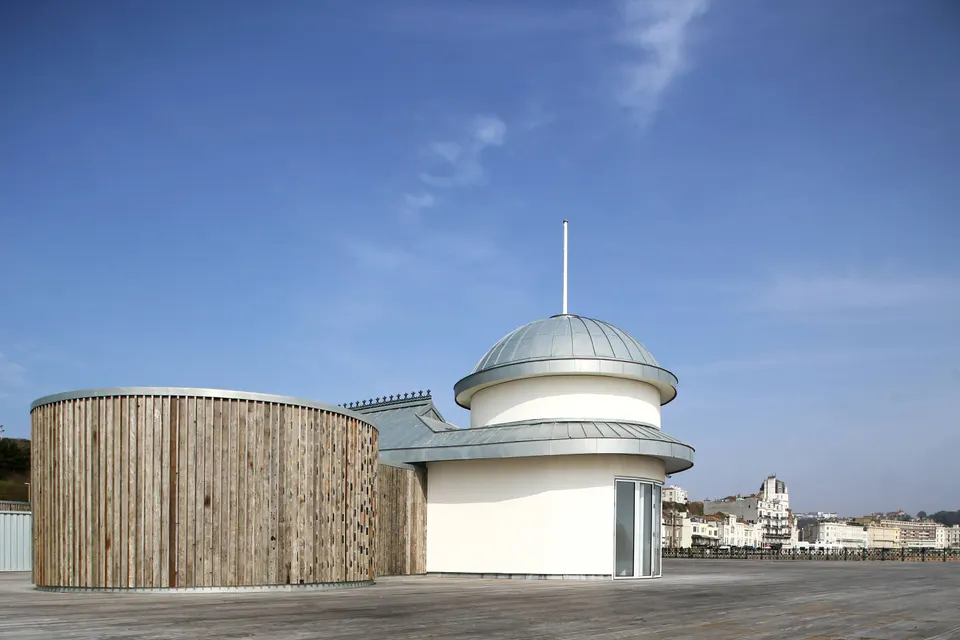
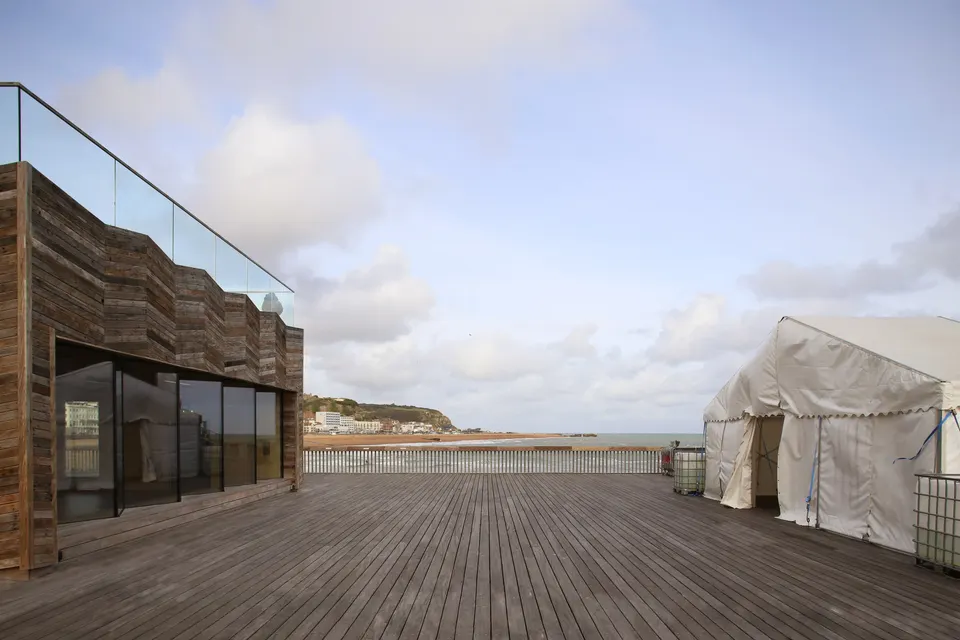
The new visitor pavilion sits at the heart of the pier, in place of its most badly weakened section. As you can see from the section, the new building rests on a new structure, which provides a lasting answer to the structural demands of the construction.
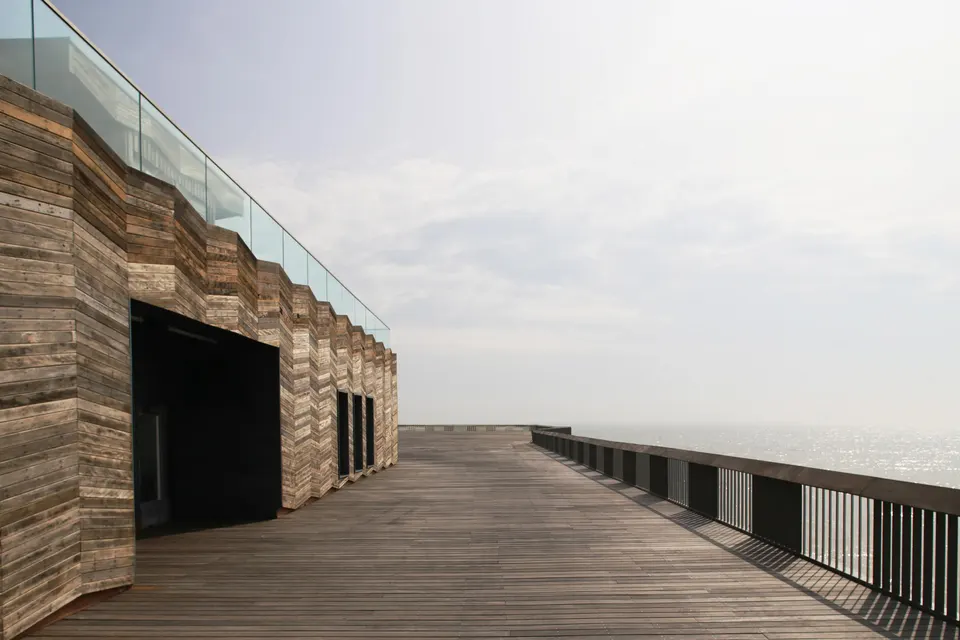
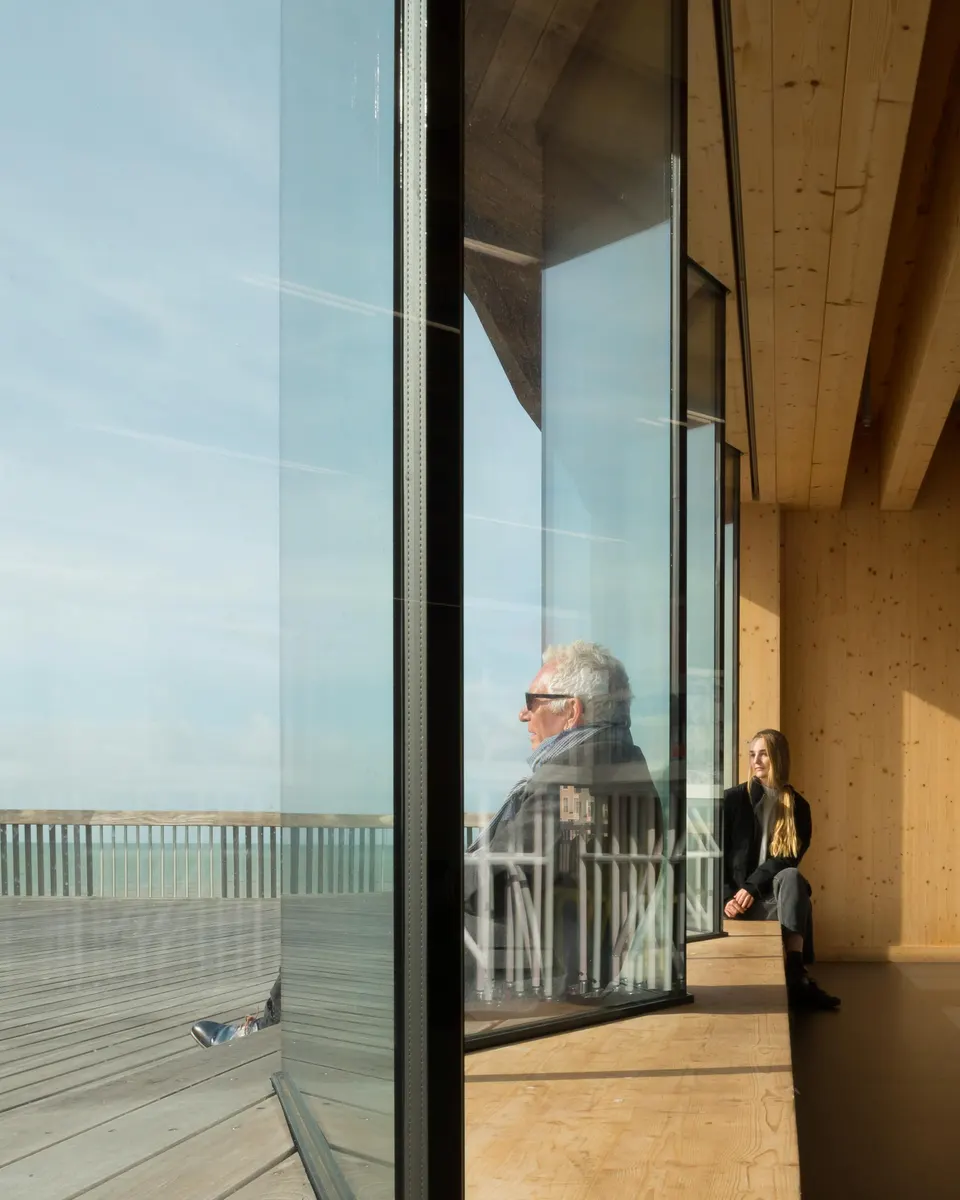
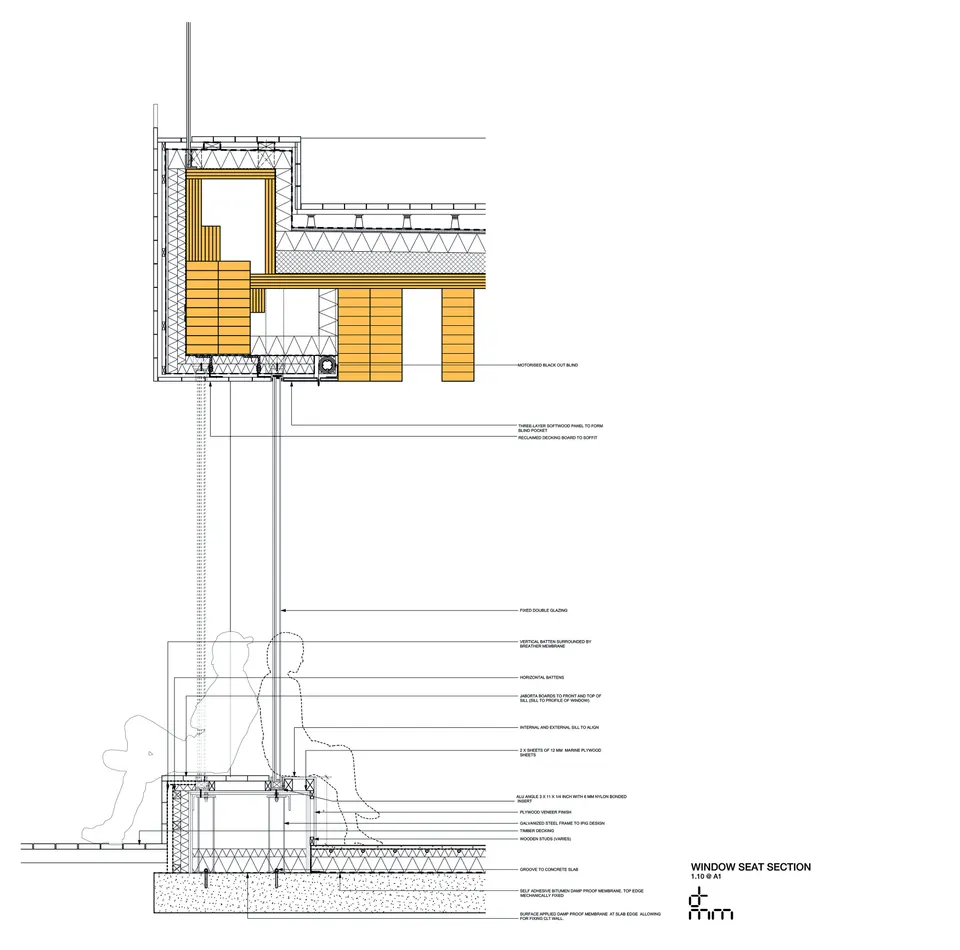
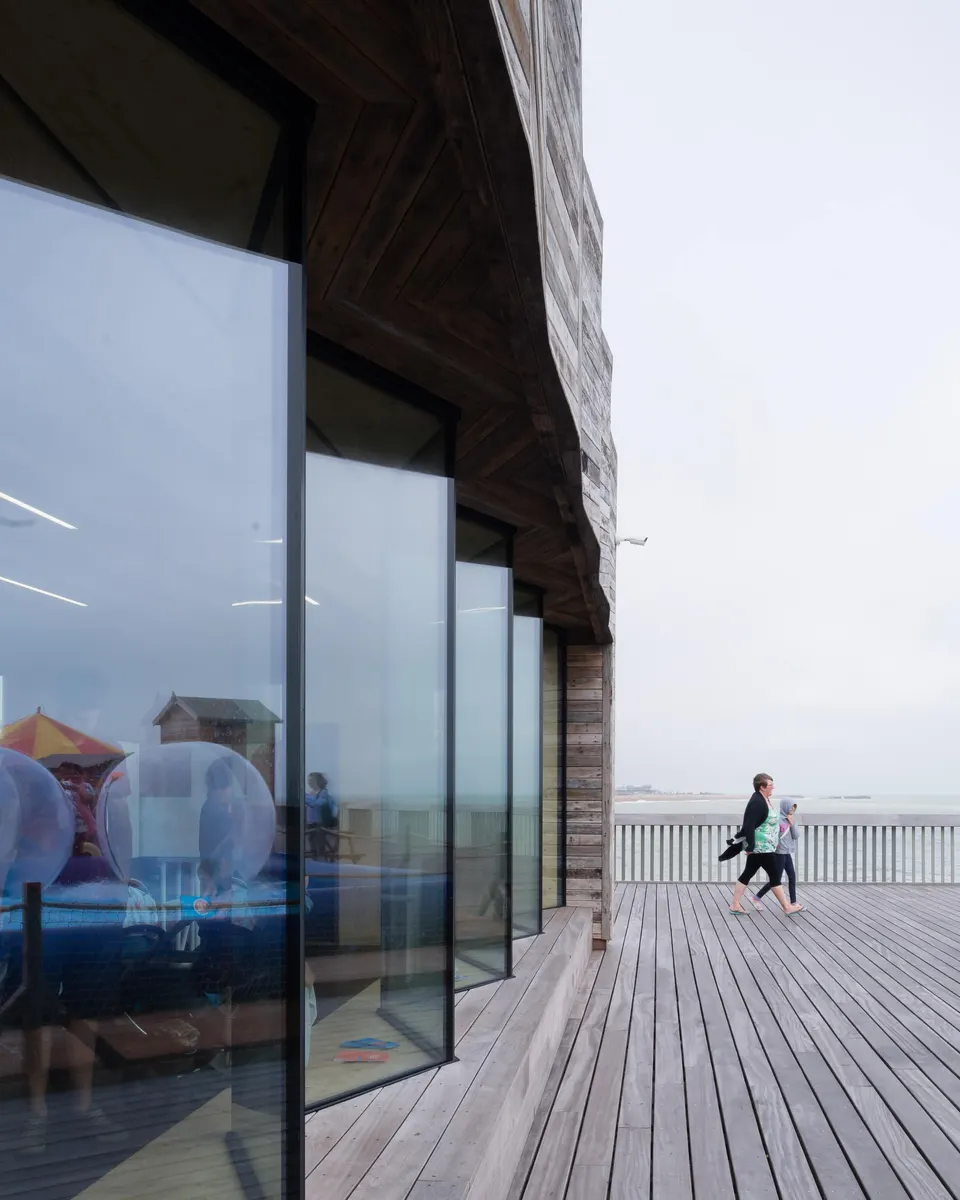
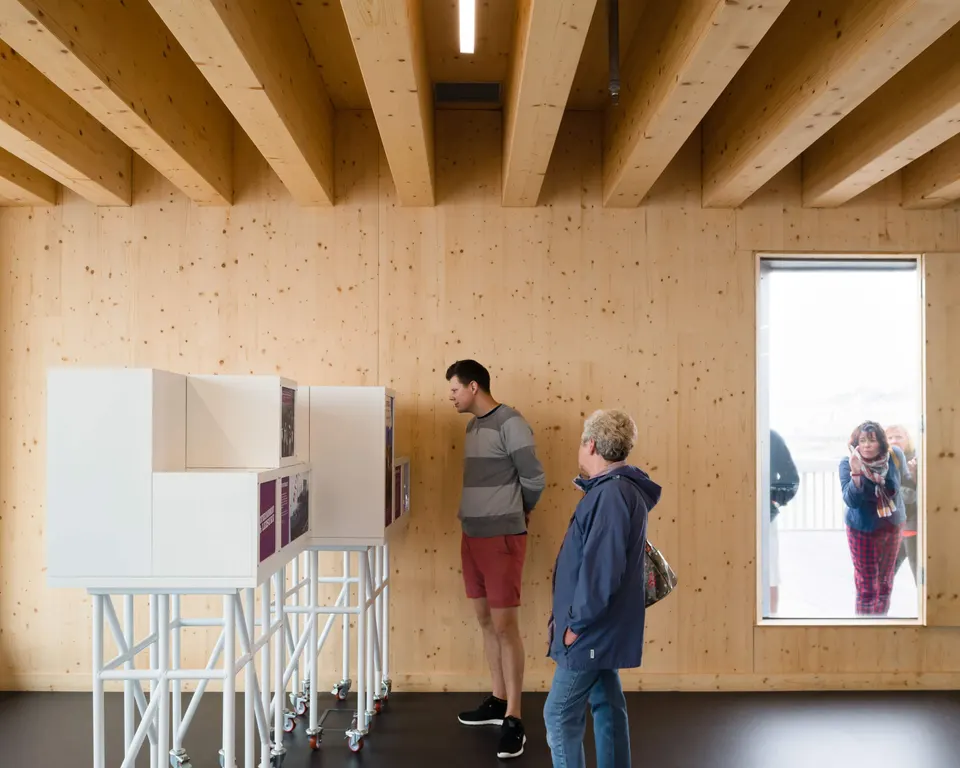
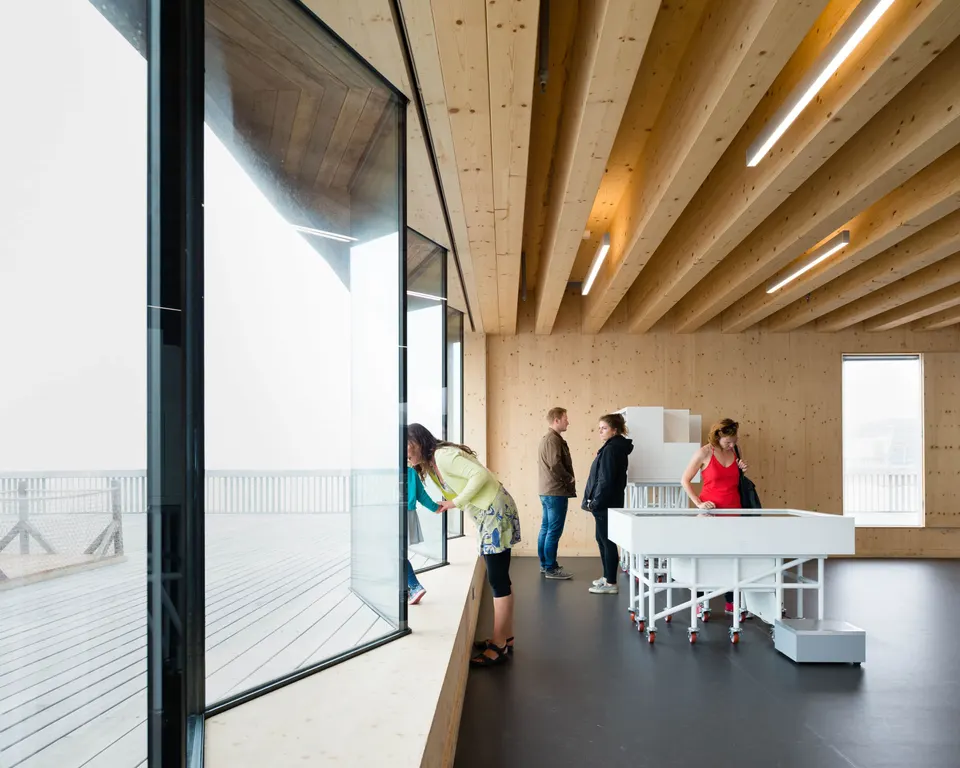
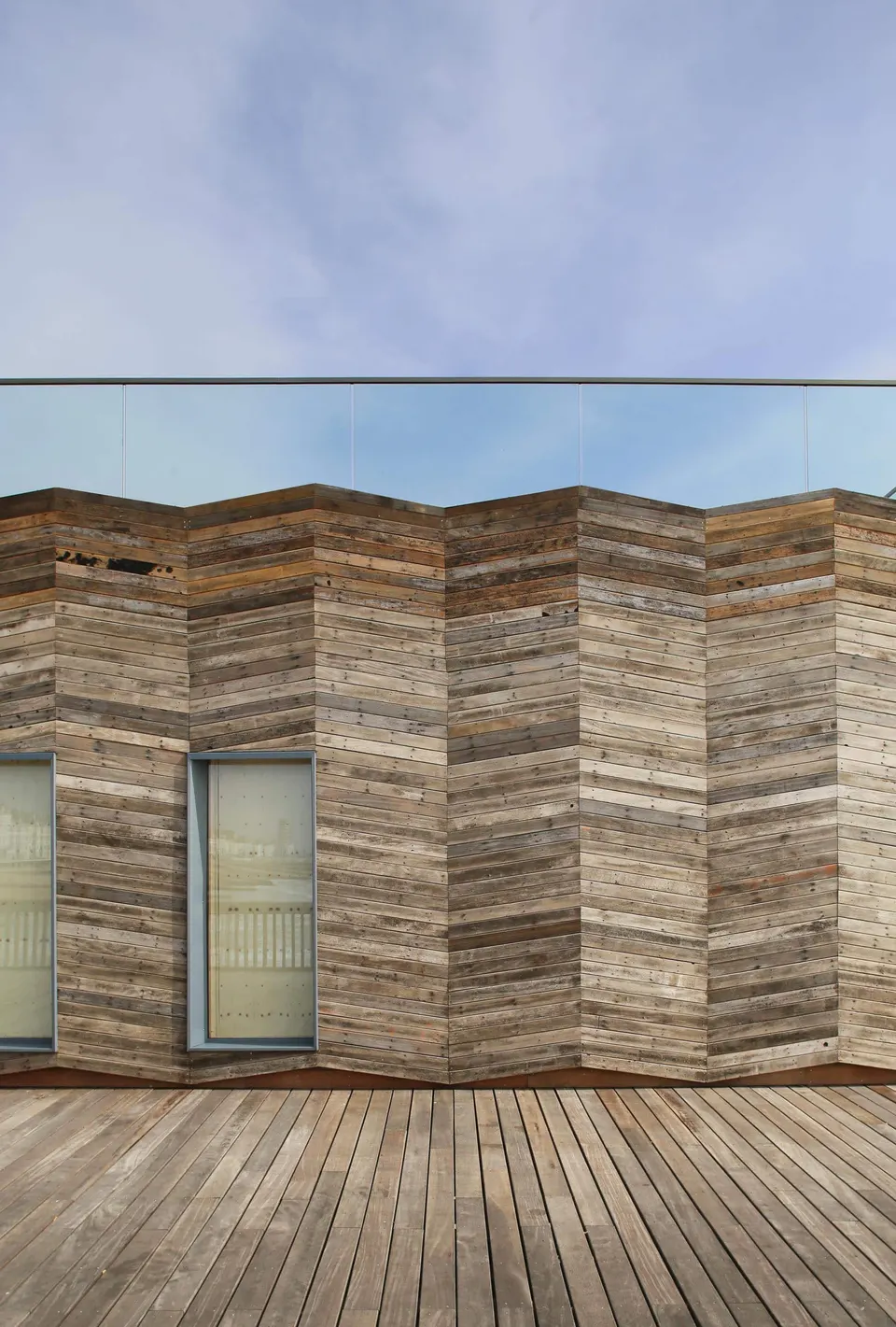
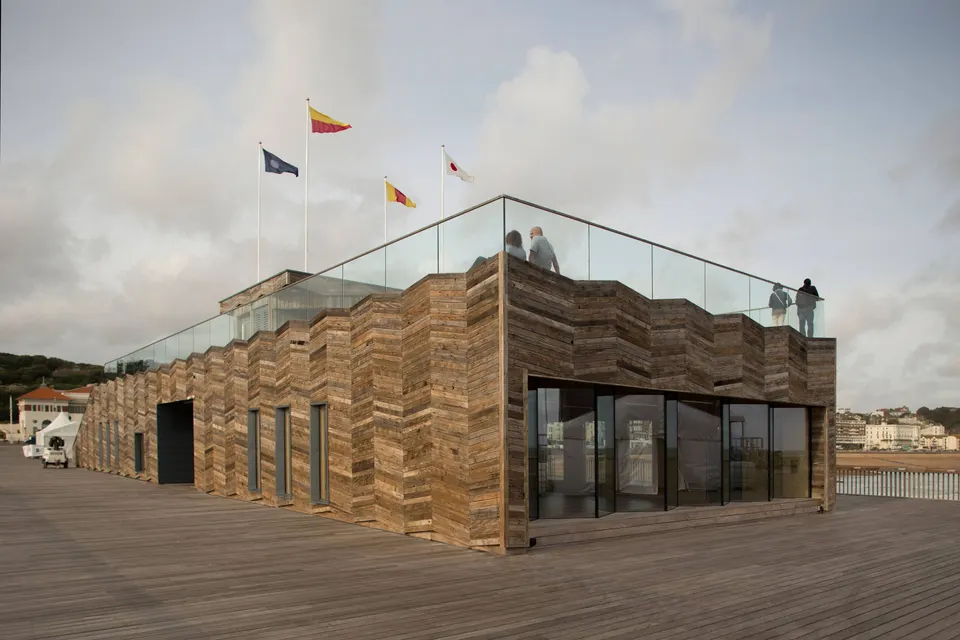
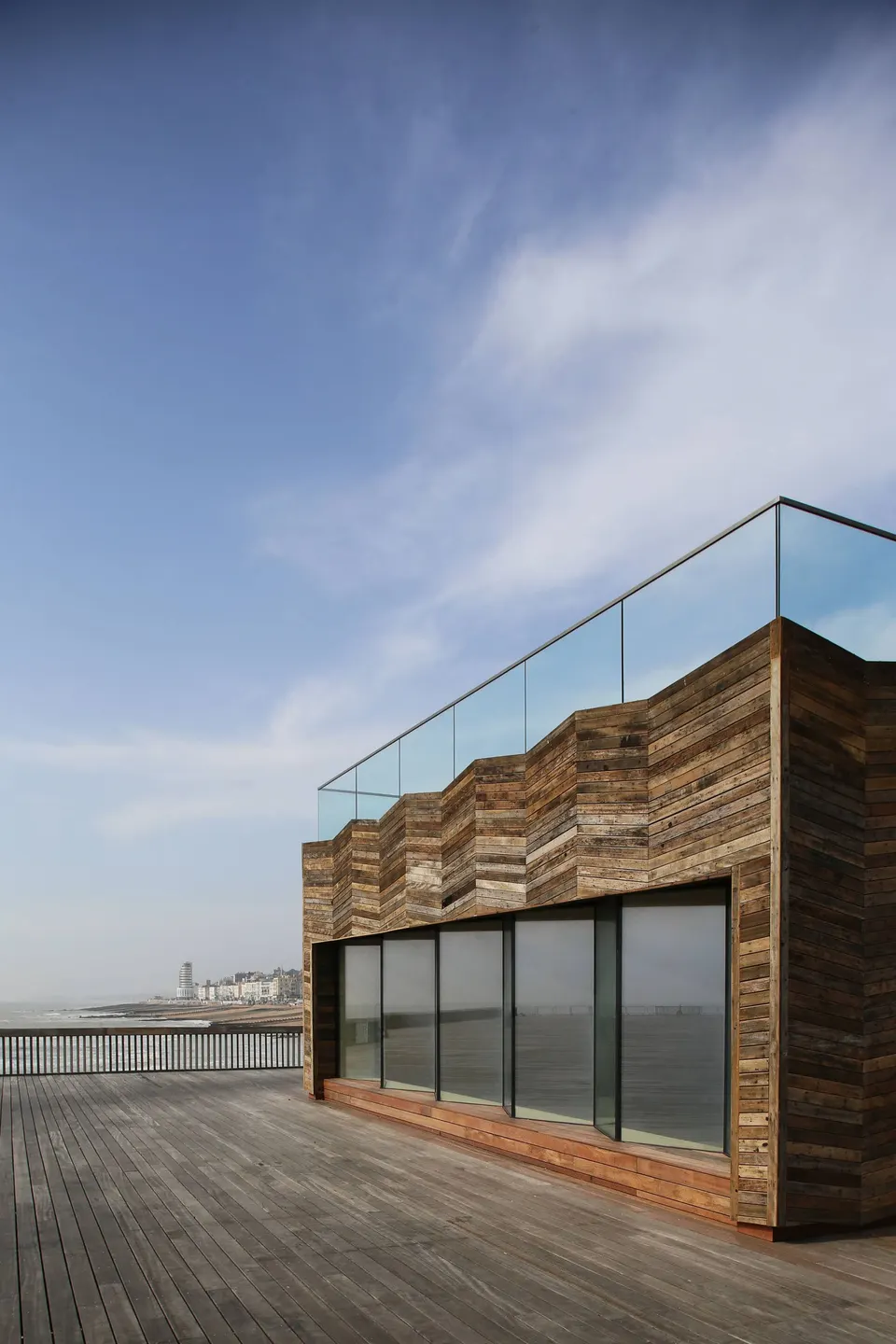
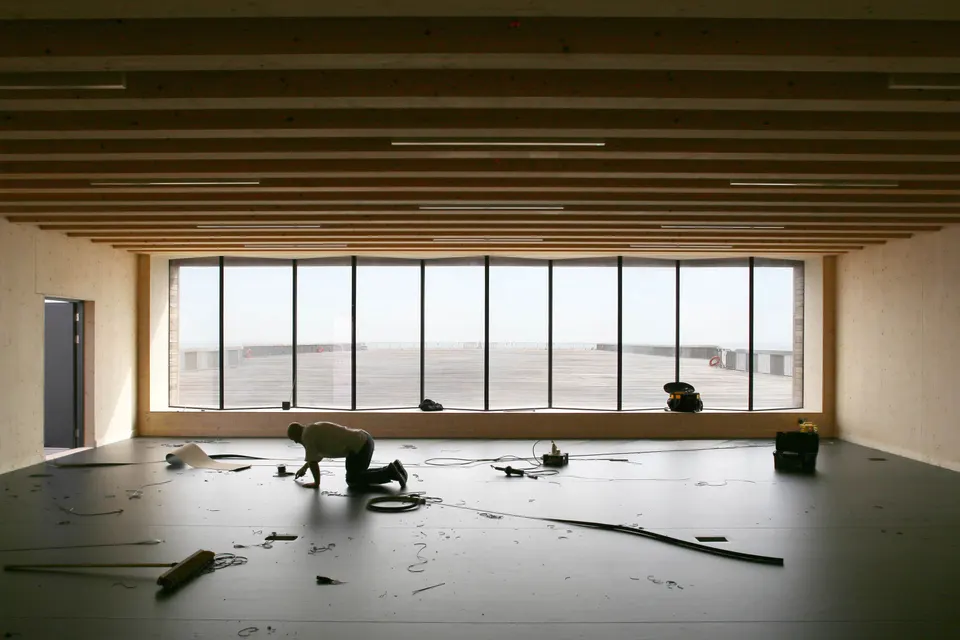
The pavilion's purpose is to extend the use of the pier into the winter by providing indoor spaces where conferences and meetings can be held. The volumes created are very simple, with nods to the swell of the sea in the orientation of the cladding boards and of the glazing, whose deep sills, which double as seating, make for unexpected encounters.
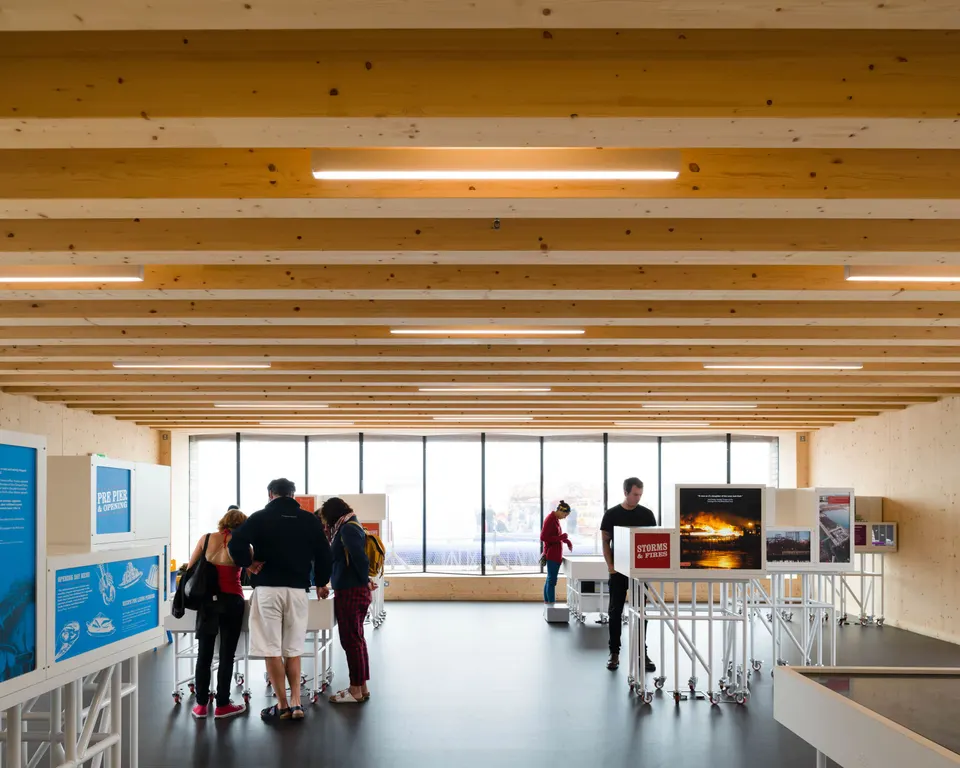
An environmental approach and the reuse of materials
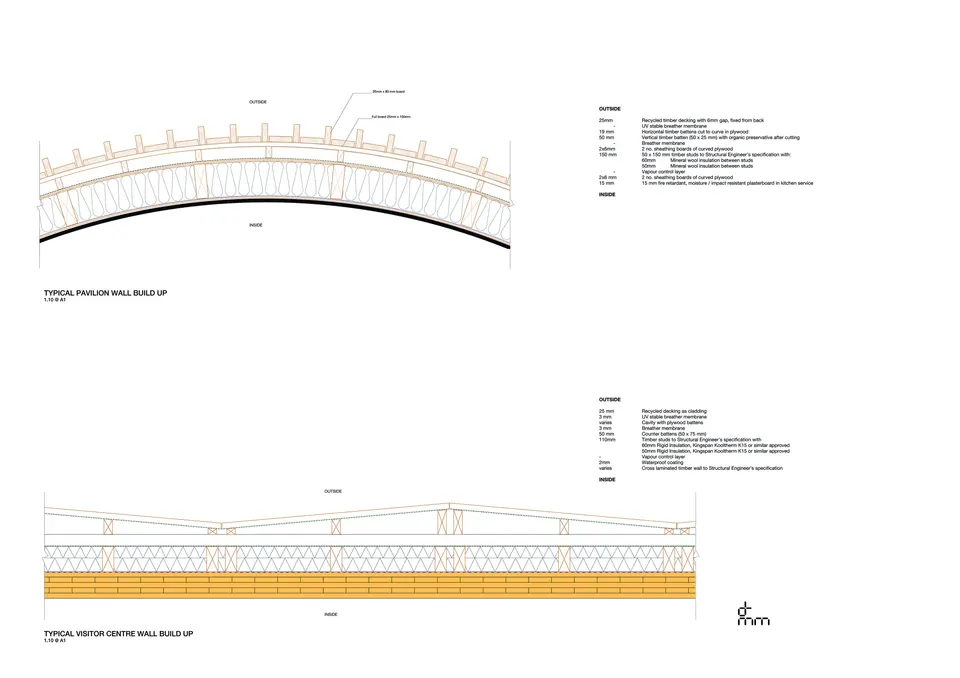
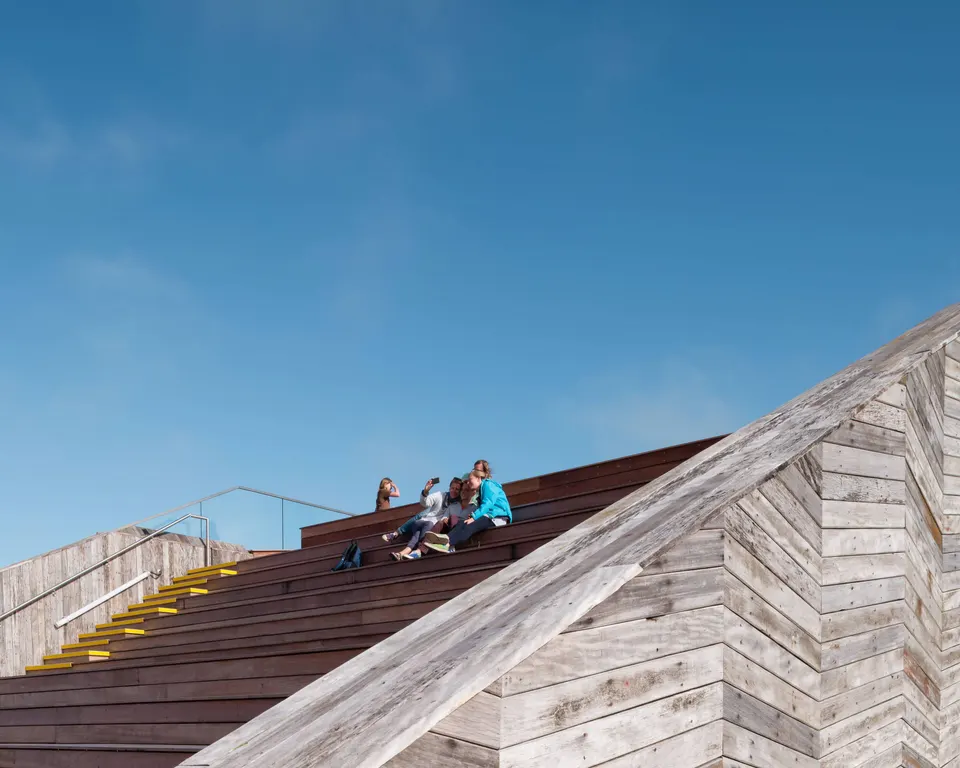
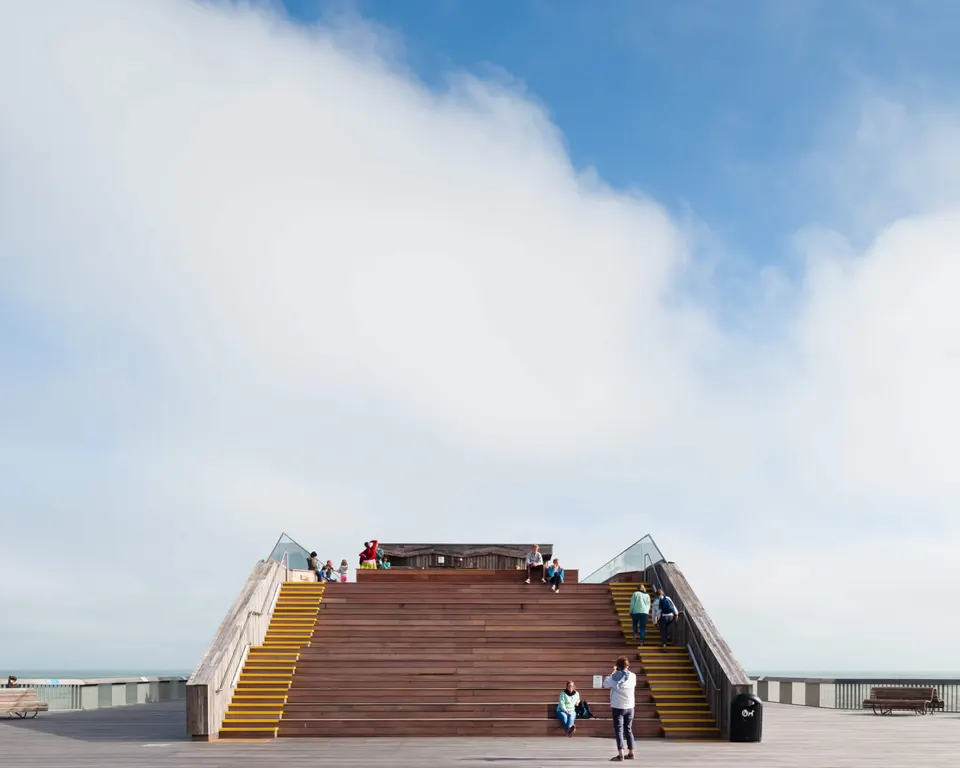
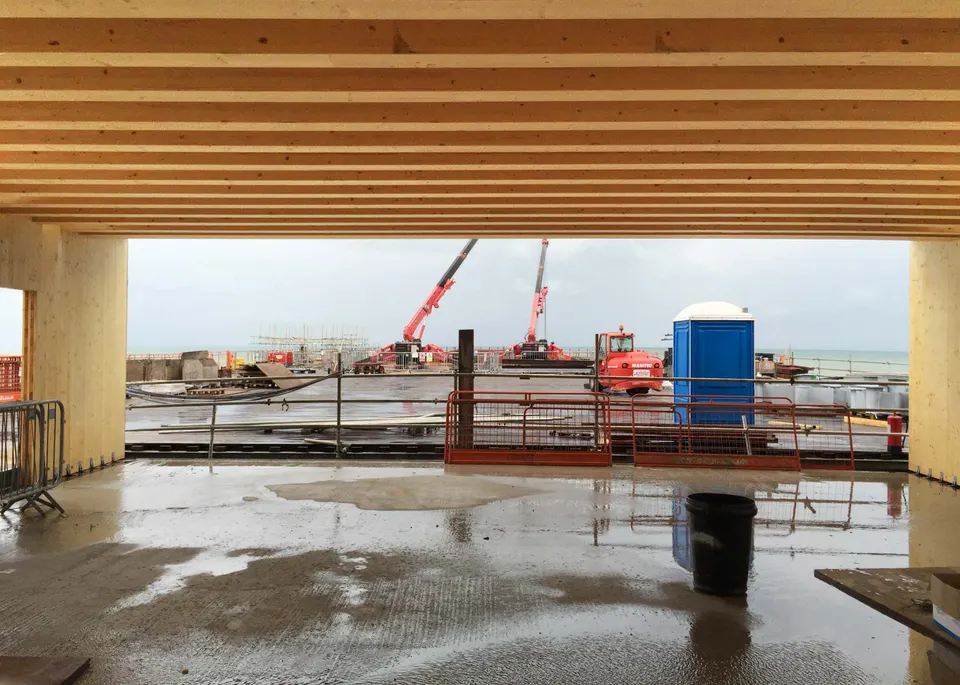
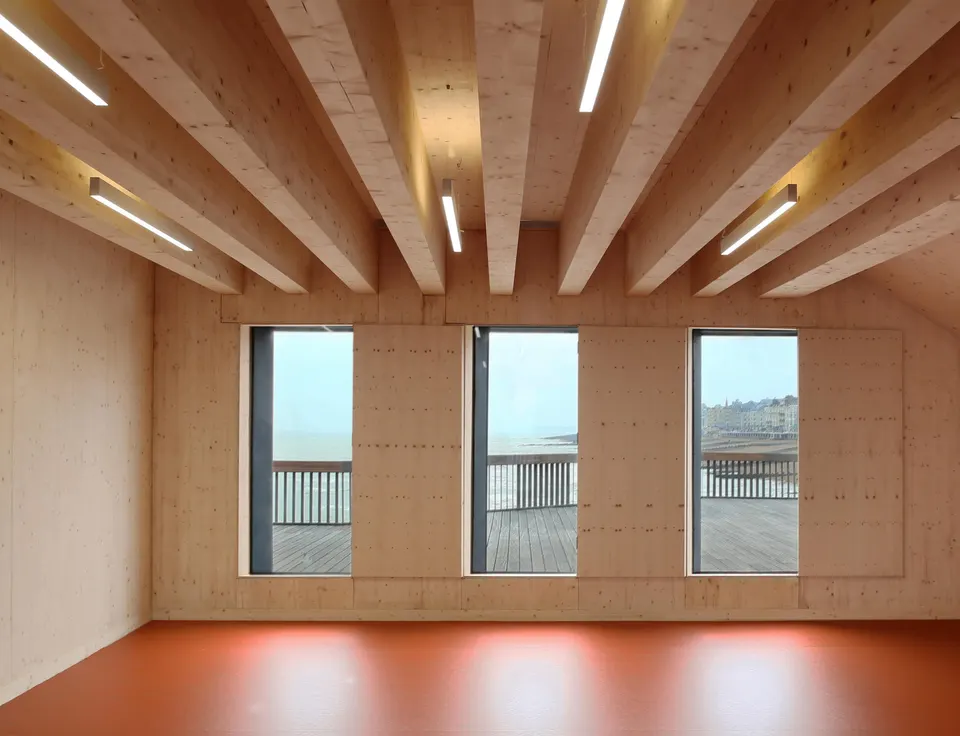
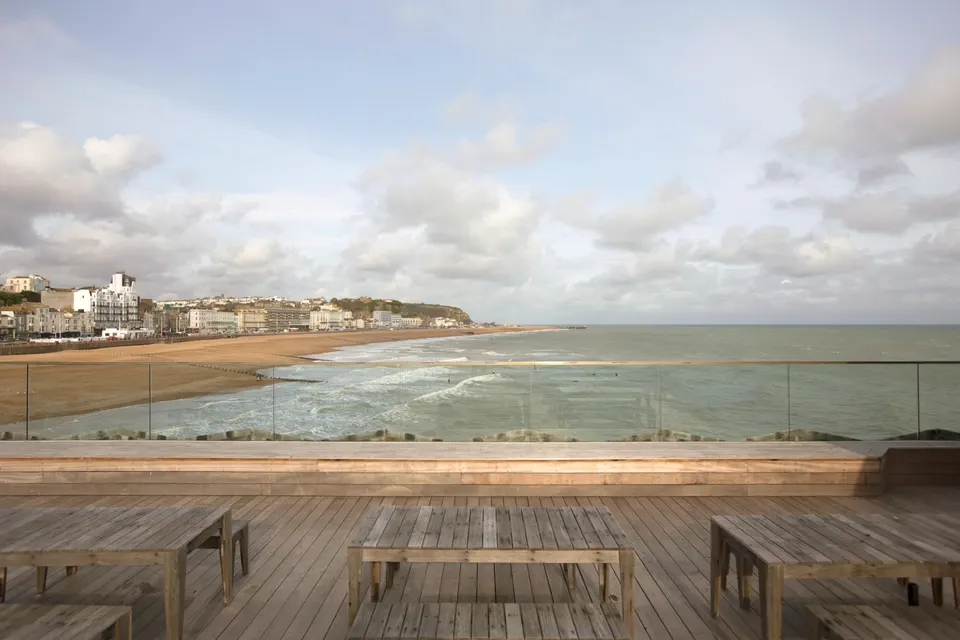
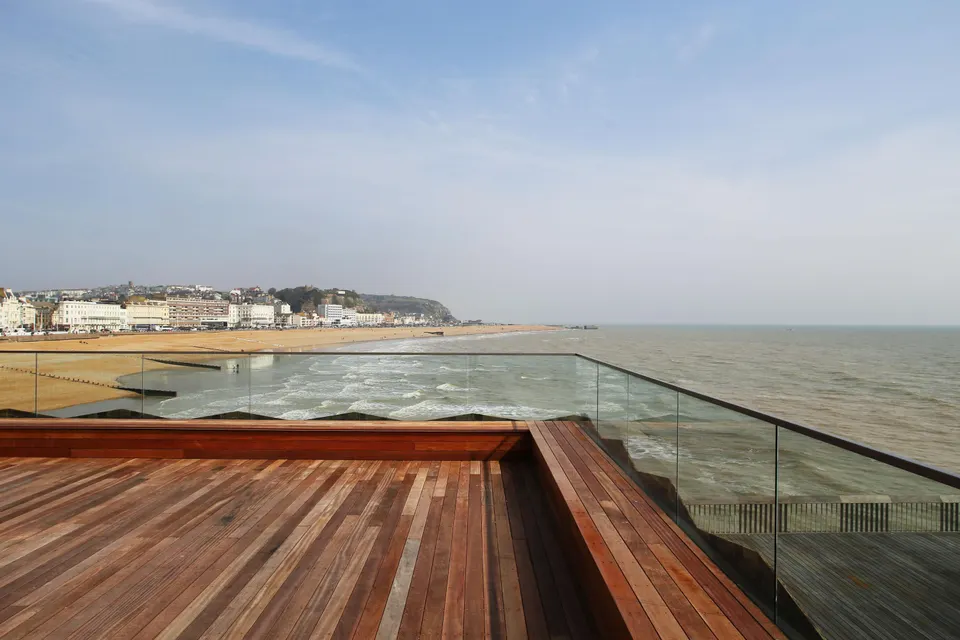
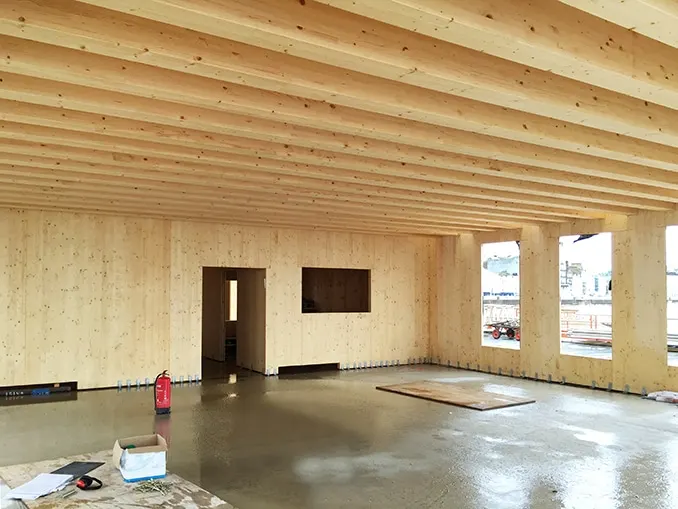
Far from forgetting the past, the architects chose to reuse the timber from the pier's old decking (the part that survived the fire) as cladding. The same timber is found in the outdoor furniture on the belvedere formed by the pavilion's roof. Inside, the architects left the cross-laminated timber frame, with glulam beams manufactured by KLH, exposed, so as not to put further strain on the project budget with materials such as plasterboard. However, the project could not aim for BREEAM certification given the tight budget, most of which went on renovating the pier's structure.
dRMM's success rewarded
The dRMM architects received eight awards for this project, including the most prestigious in the United Kingdom, the RIBA Stirling Prize. Hastings has now had more than 300,000 additional visitors since the pier reopened. The economic benefit is estimated at £1.2 million and 40 new jobs. Last 15 June, the pier was bought by the multimillionaire Abid Gulzar.
Gallery
53 images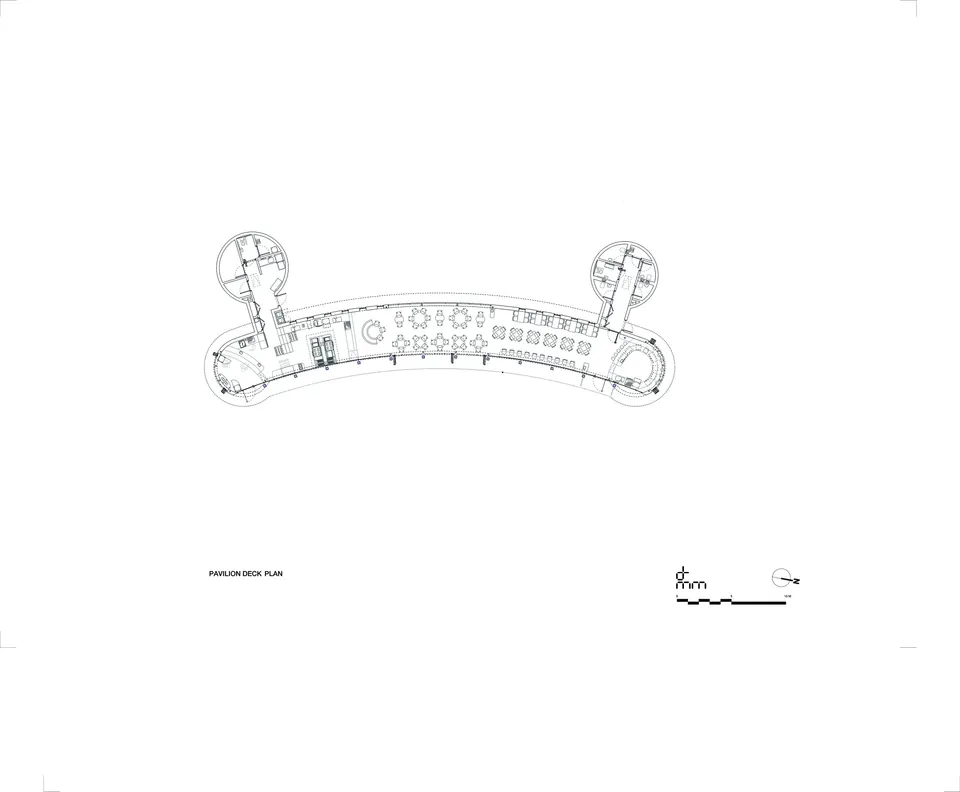
- © James Robertshaw
- © Alex de Rijke
- © RIBA et Peter Wilkinson
- © Jim Stephenson 2017
- © dRMM Architects
- © Jim Stephenson 2015
- © dRMM