Fuzhou Culture and Art Centre by PES Architects
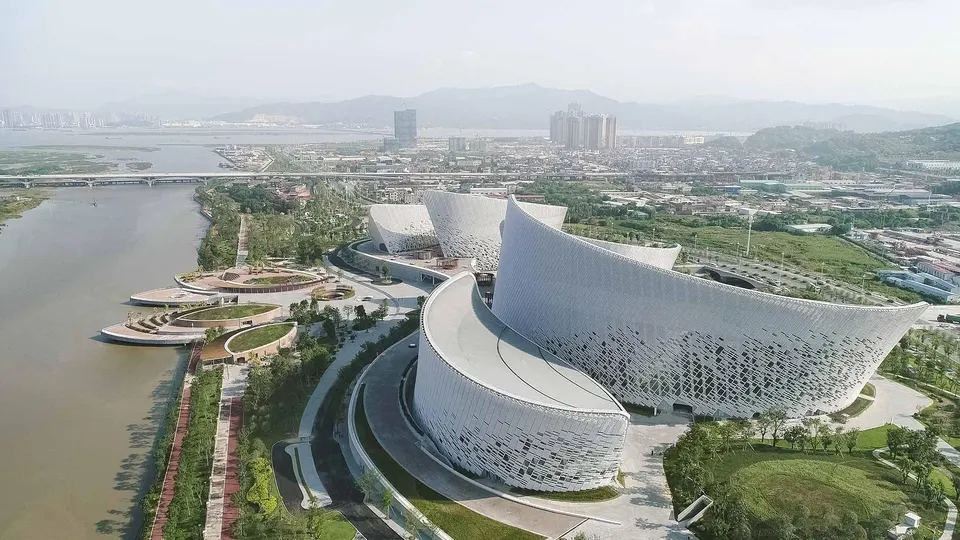
In recent years, China has embarked on a string of mega cultural projects, such as the Tianjin Binhai Library by MVRDV , in a bid to establish itself as Asia's cultural leader. The Finnish practice PES Architects has just completed its seventh building in China, the Fuzhou Culture and Art Centre. The 153,000 m² complex opened this October, and we take a look around.
Context and site
Fuzhou is the capital of Fujian province. It has a population of 5,400,000, while its urban area is slightly less populous than the Île-de-France region. It is one of the mainland cities closest to Taipei and was historically a major staging post on the Silk Road. The site is a particularly interesting one: it is bordered by the Minjiang River and also crossed by the Liangcuo River.
Jasmine petals by PES Architects
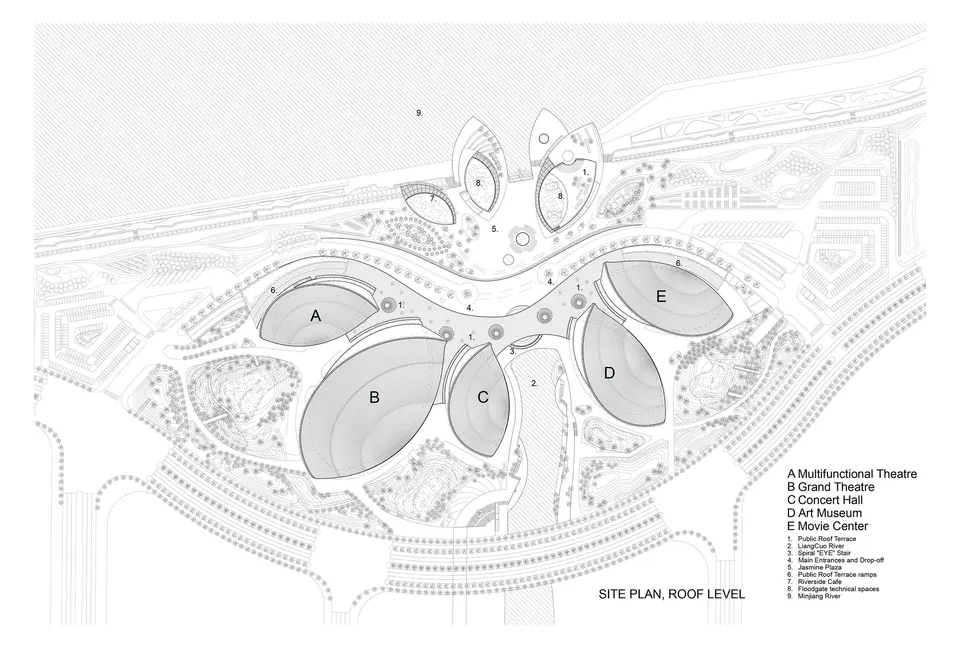
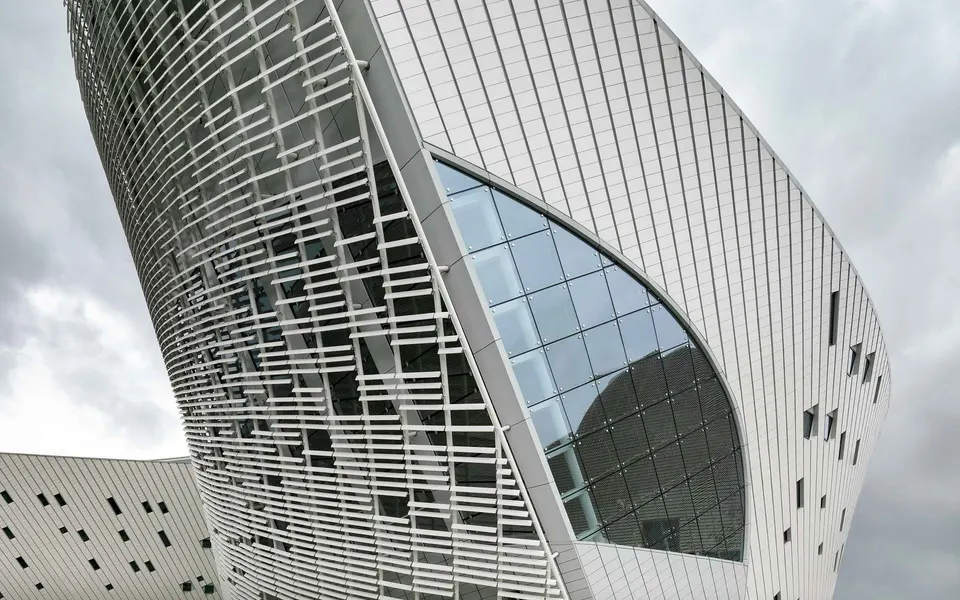
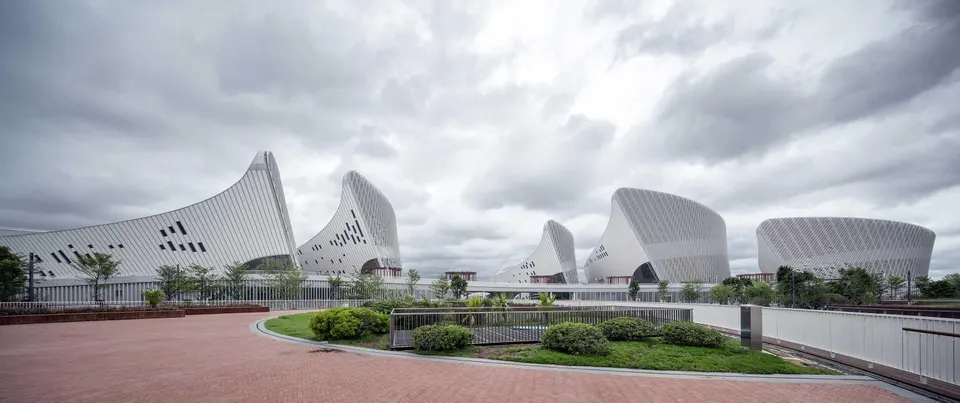
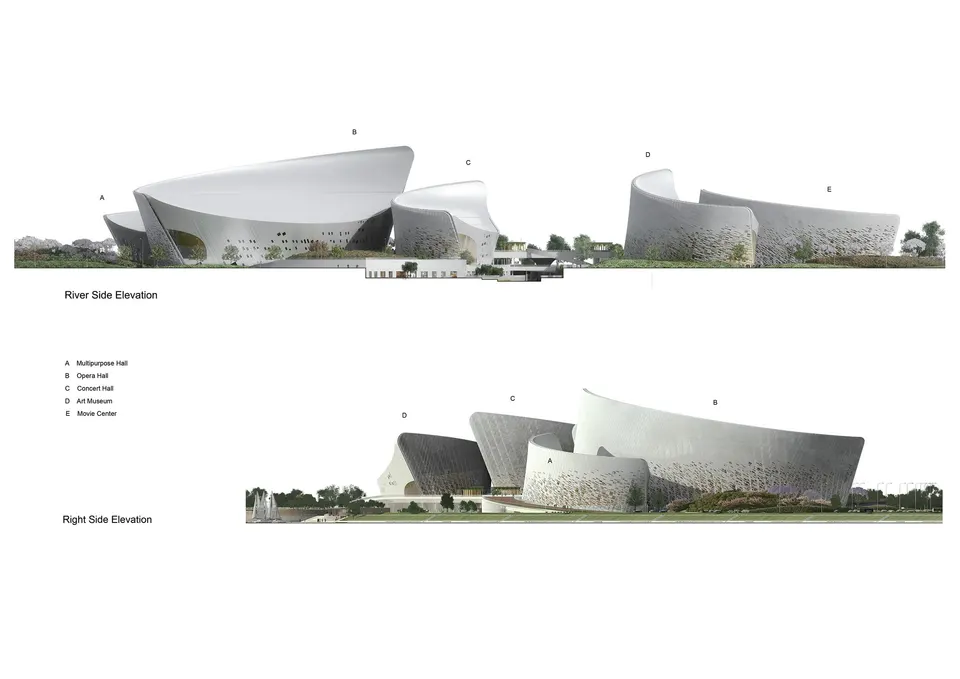
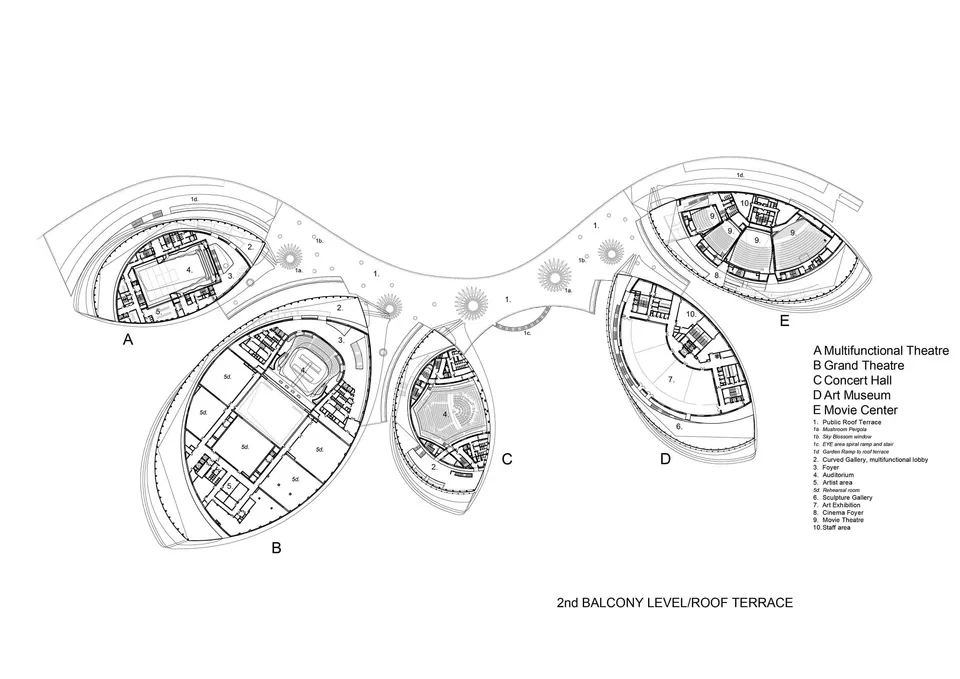
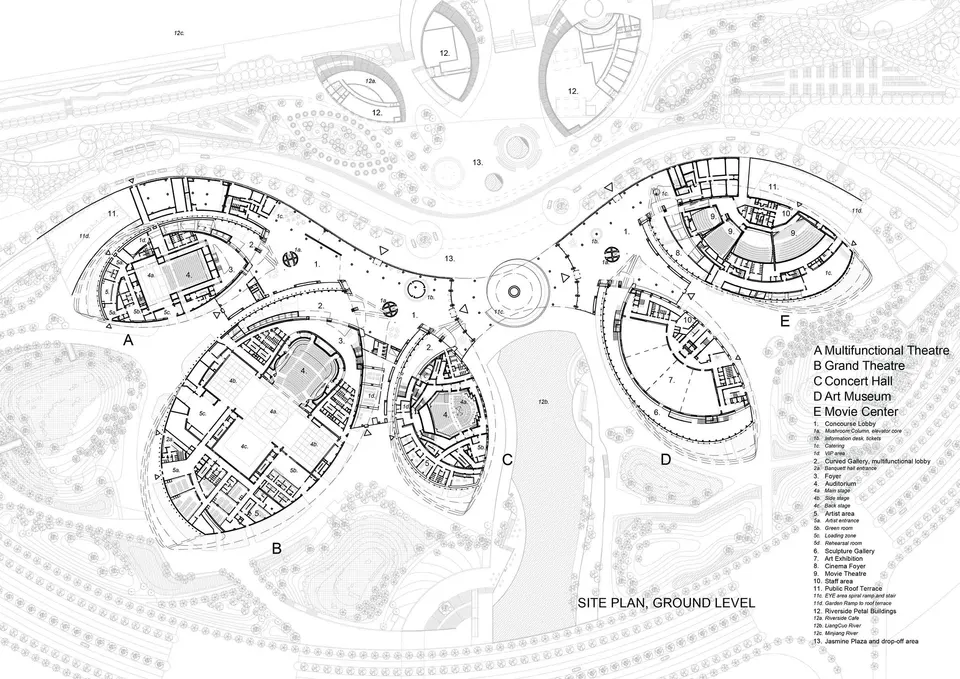
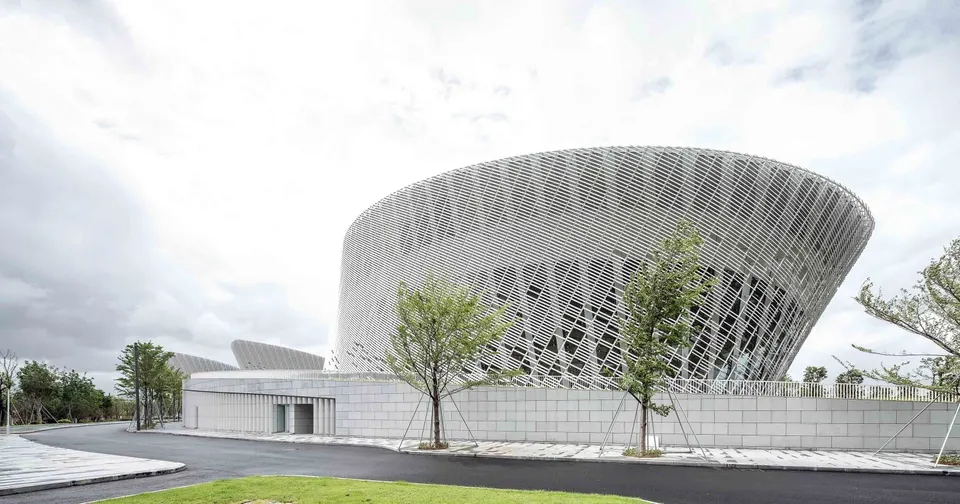
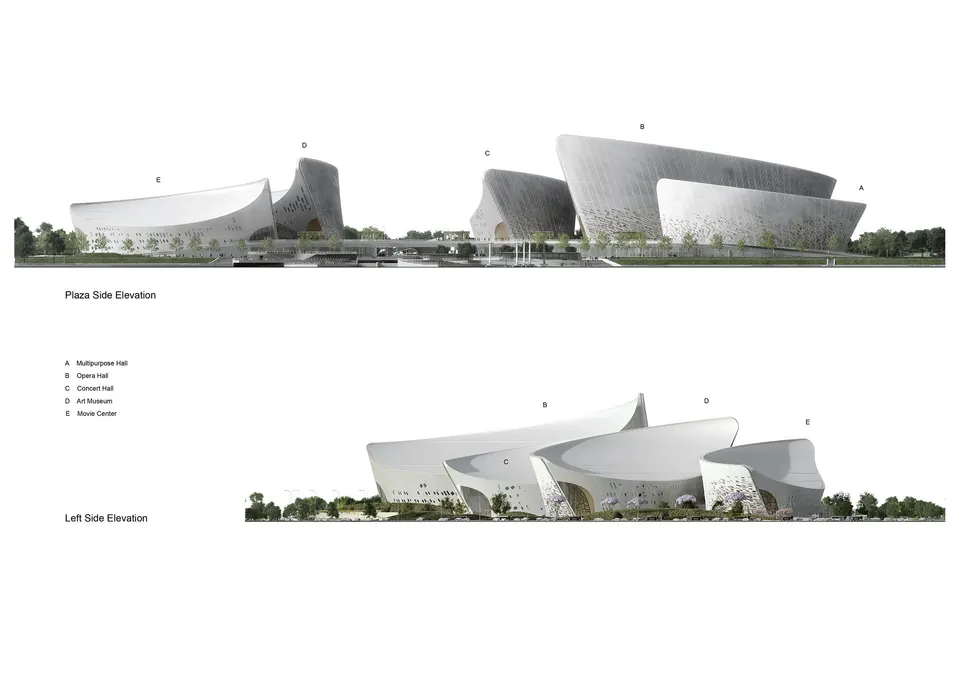
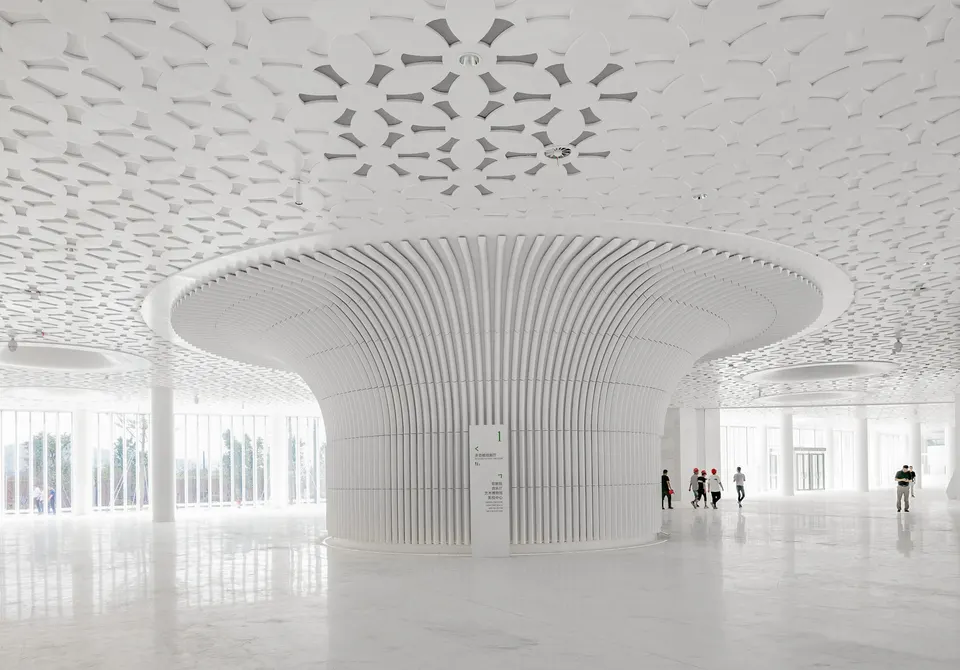
The Fuzhou Culture and Art Centre draws its inspiration from jasmine petals. The idea stems from two main factors. The first is the wish of Pekka Salminen, founding architect of PES Architects, to bring this vast cultural facility back to a human scale, hence the fragmentation of the main spaces. The second is a nod to the Fujian region, which is known for its jasmine flowers.
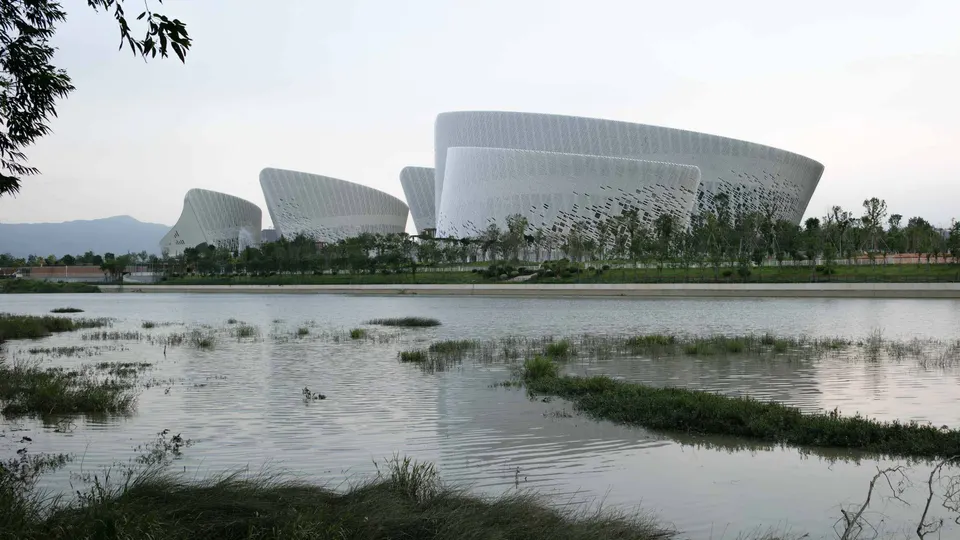
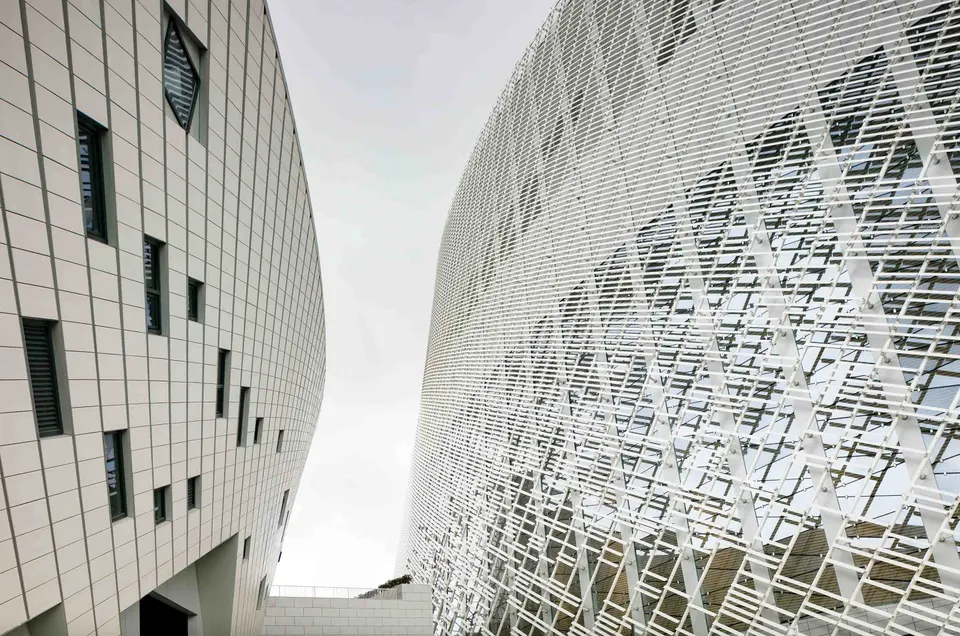
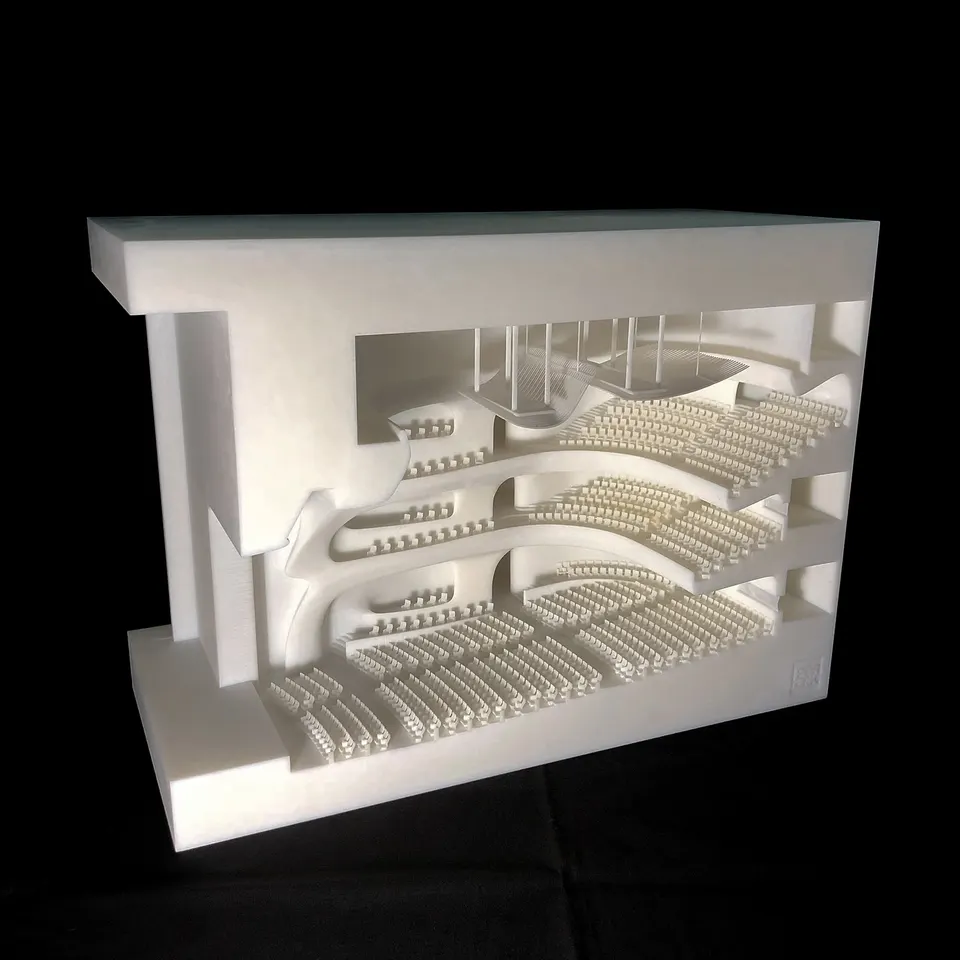
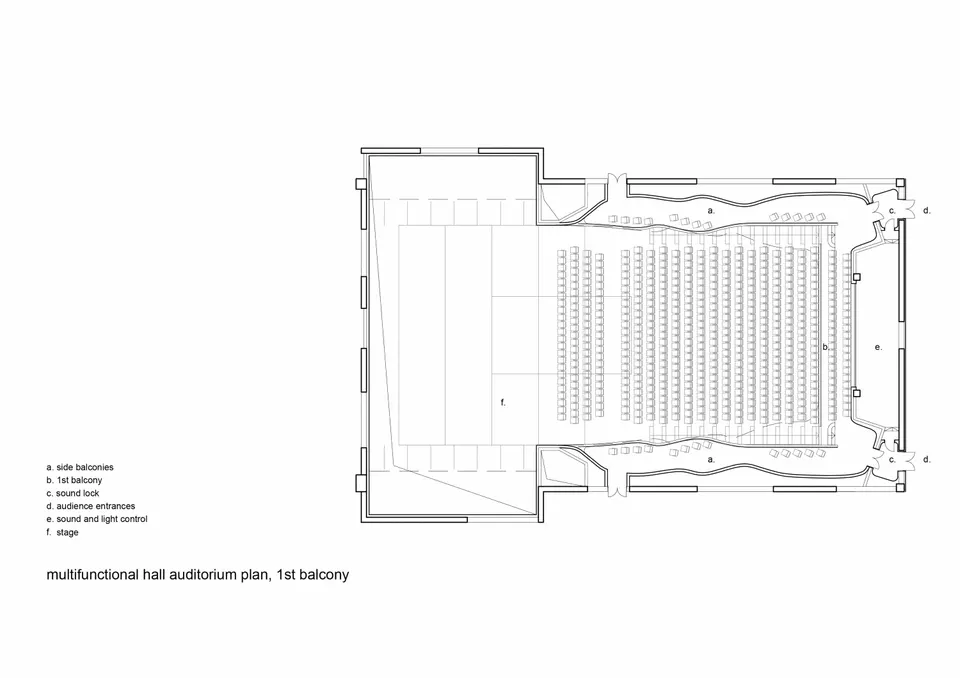
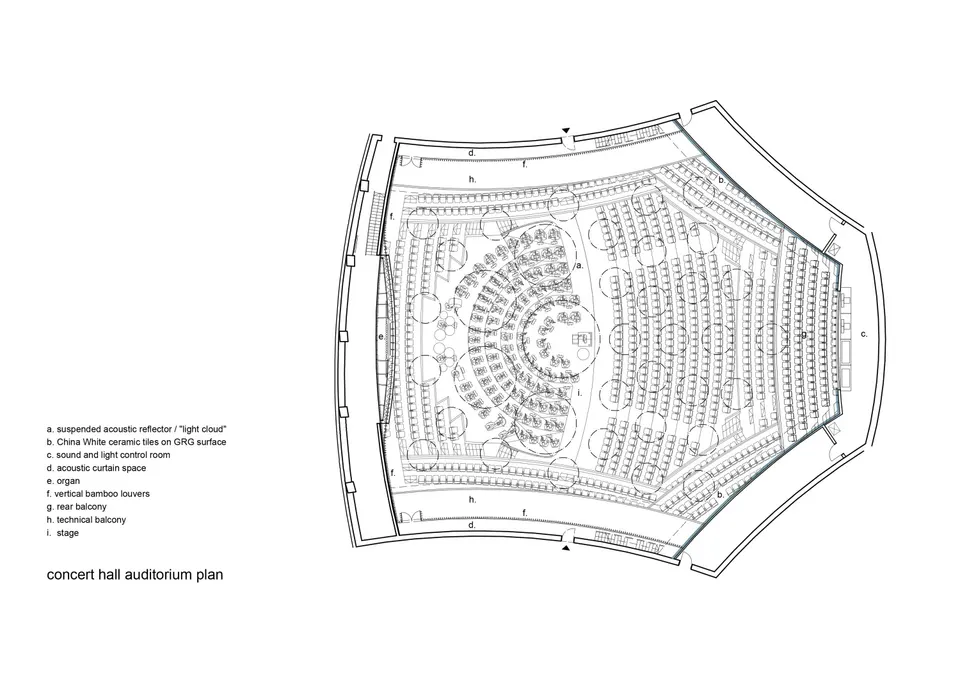
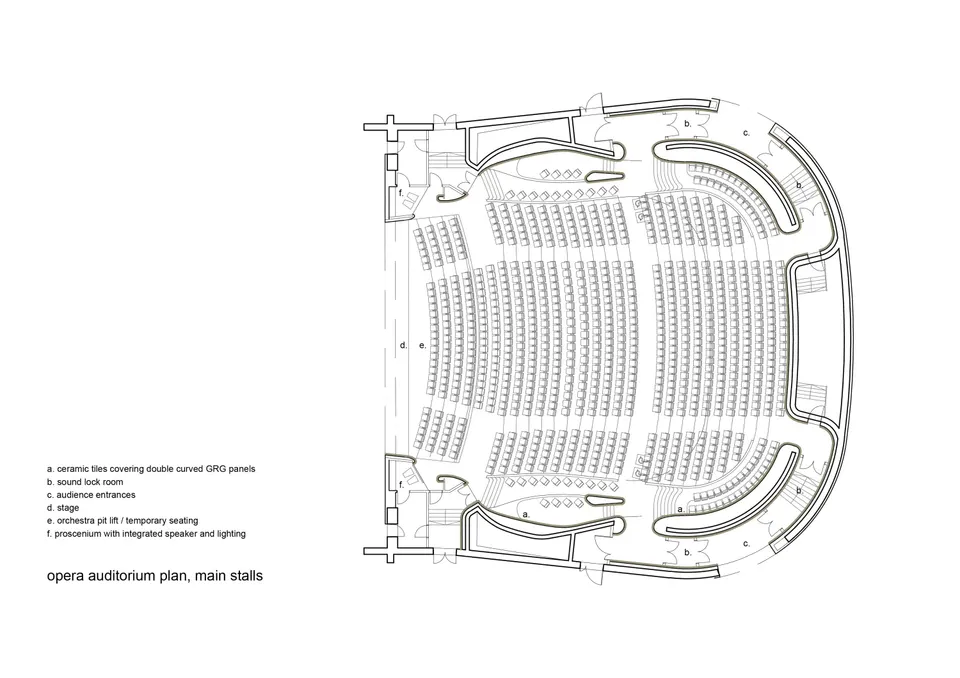
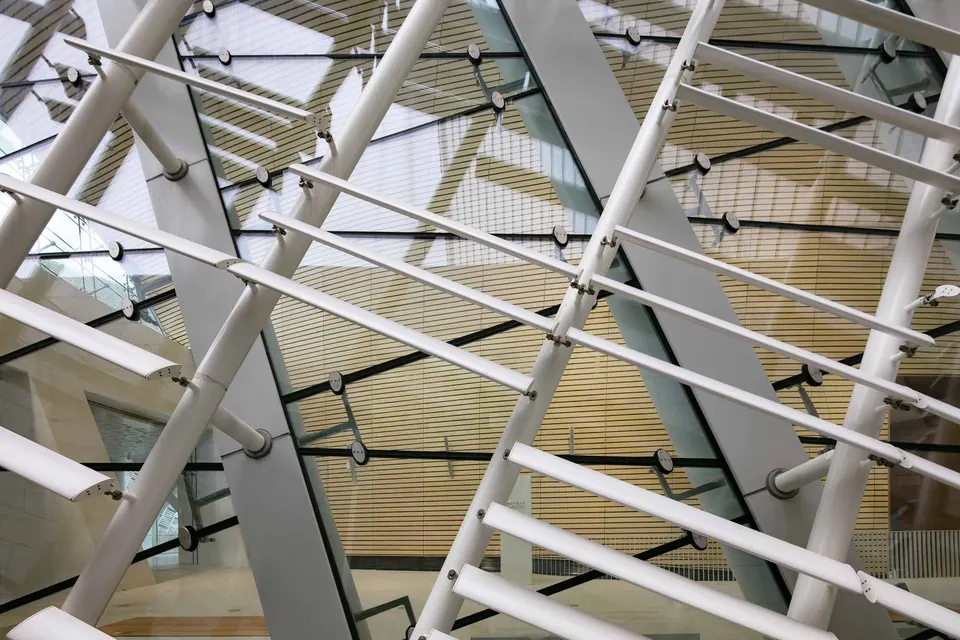
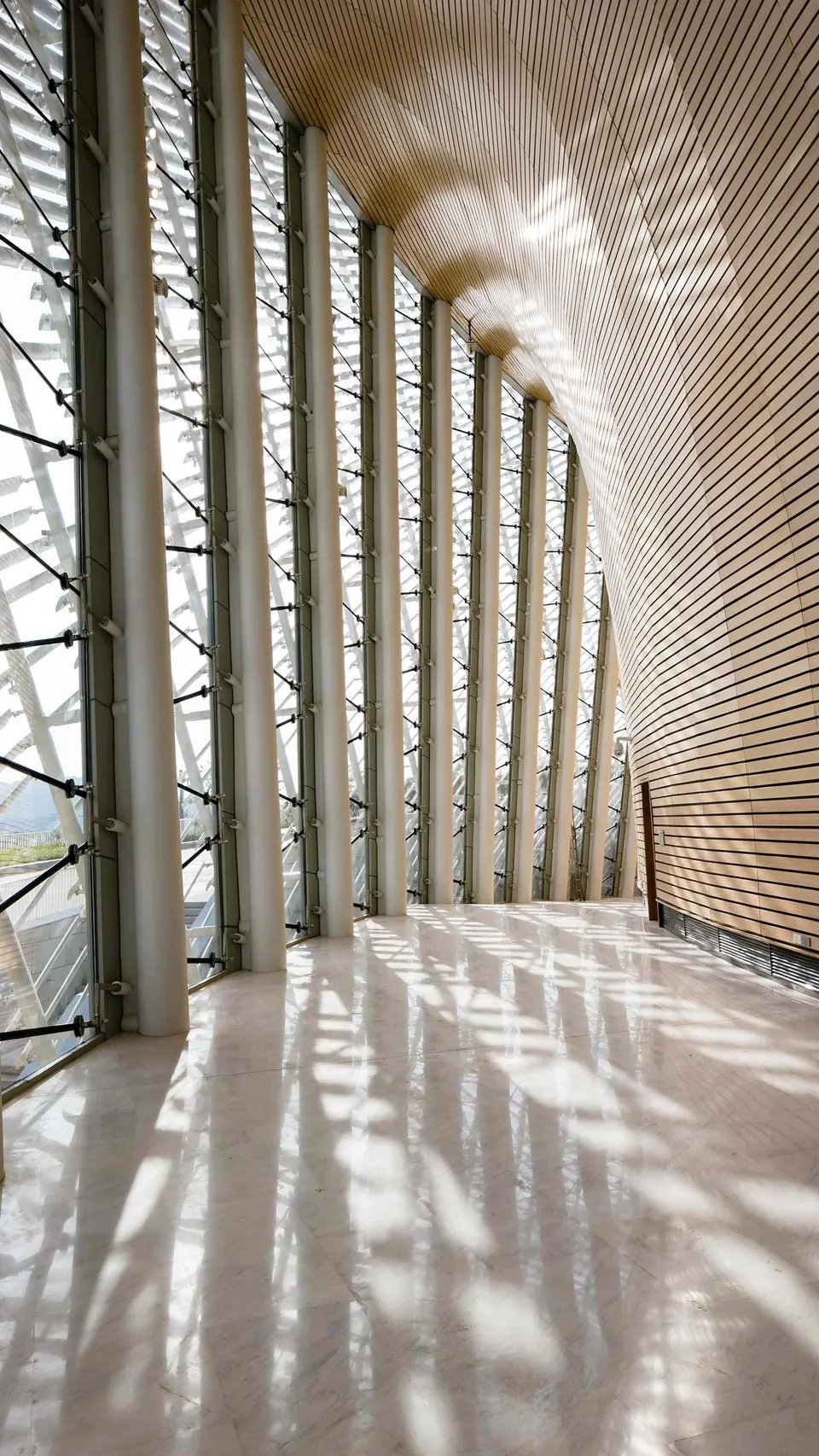
The scheme is thus organised into five main volumes, housing a 1,600-seat opera house, a 1,000-seat concert hall, a 700-seat multipurpose theatre, an art museum and a cinema complex. These are all treated in the same way, with ceramic cladding on one hand and a metal canopy in front of a curtain wall on the other.
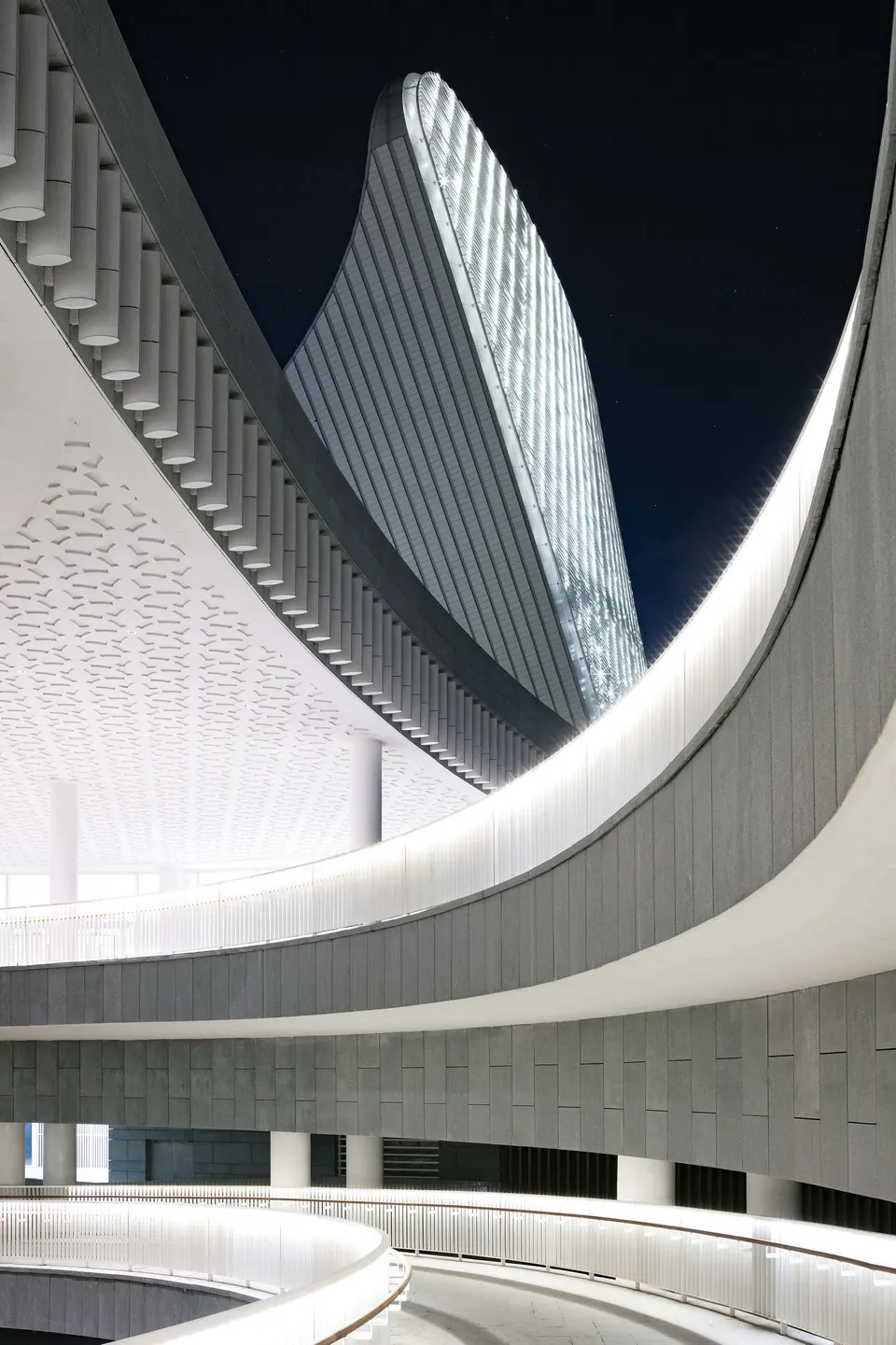
The various spaces are linked by a curved walkway, whose roof forms a panoramic terrace overlooking the surrounding landscape and, in the process, spans the river. At the entrance, the architects have built smaller petals to house a café and reception areas for visitors.
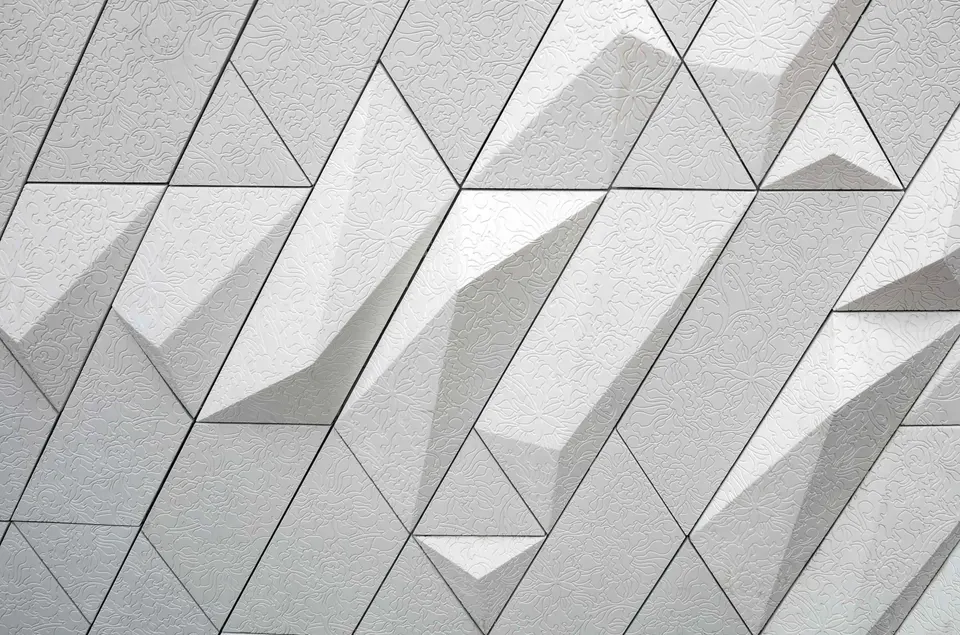
PES Architects have rolled out the red carpet for ceramics, working with the Taiwanese ceramicist Samuel Hsuan-yu Shih to develop cladding tiles designed specifically for the demands of the project.
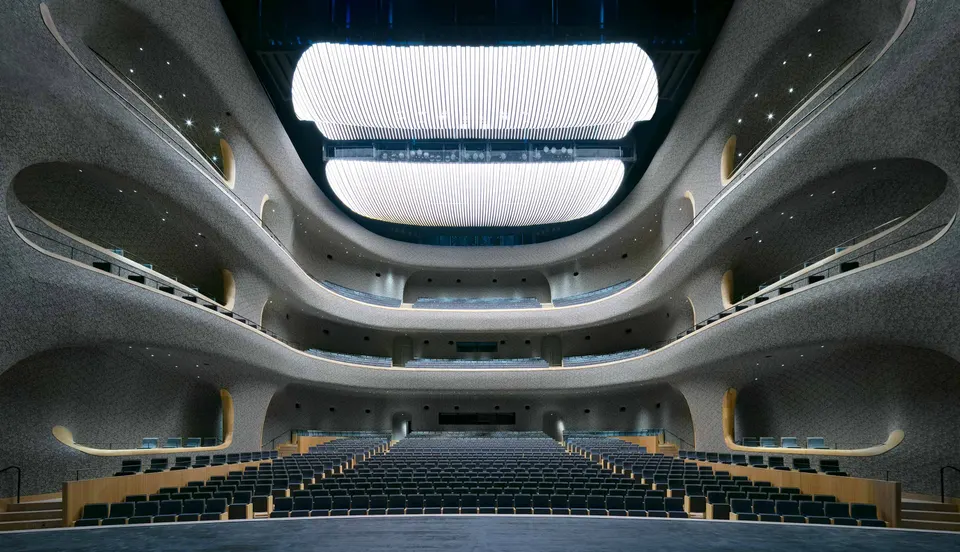
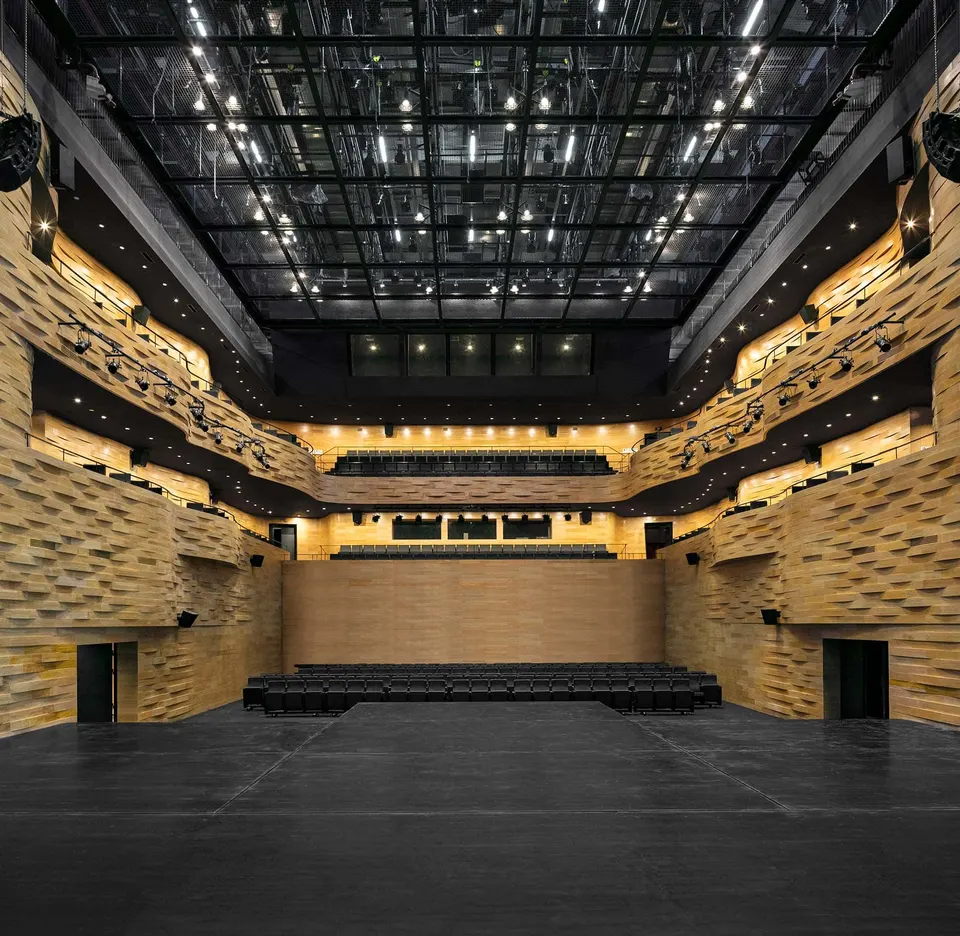
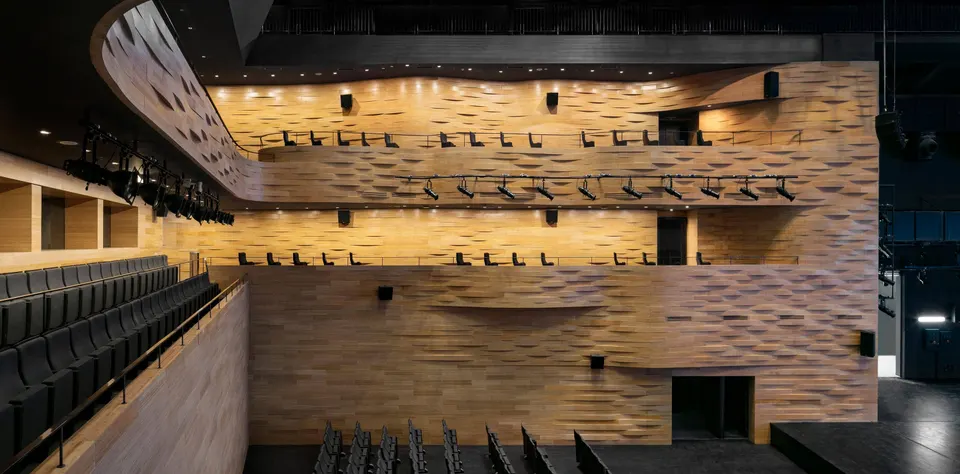
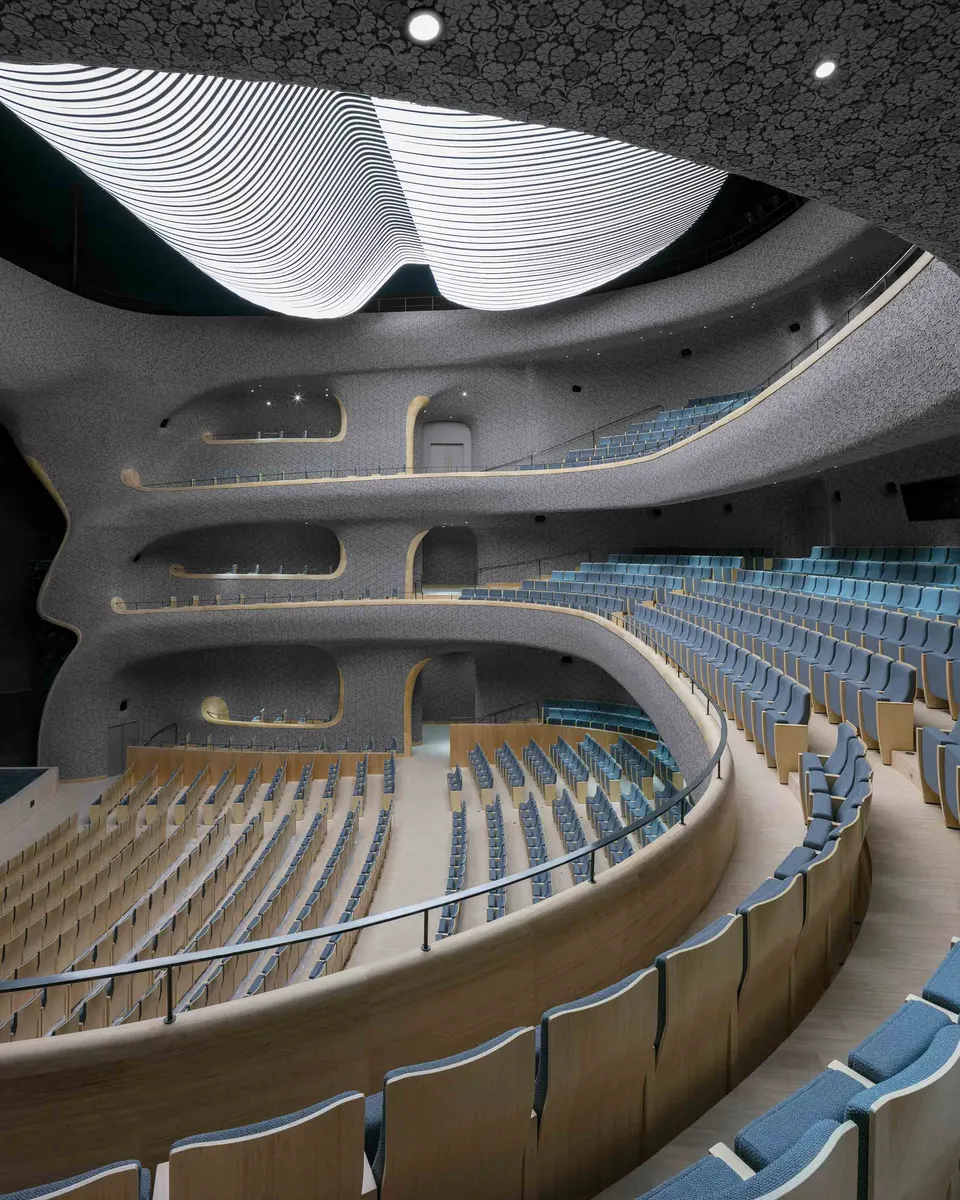
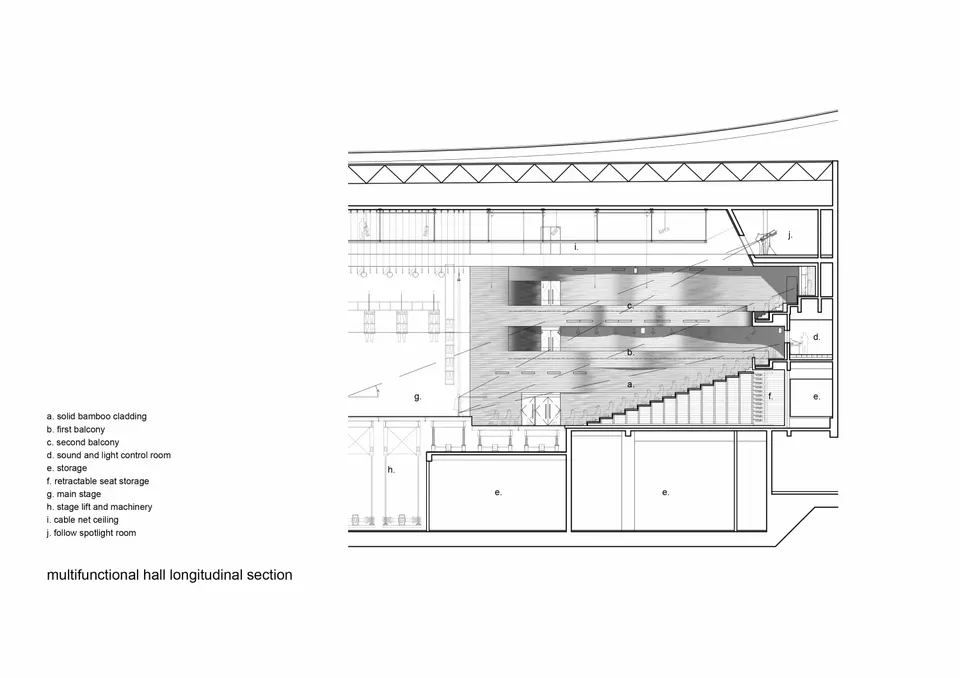
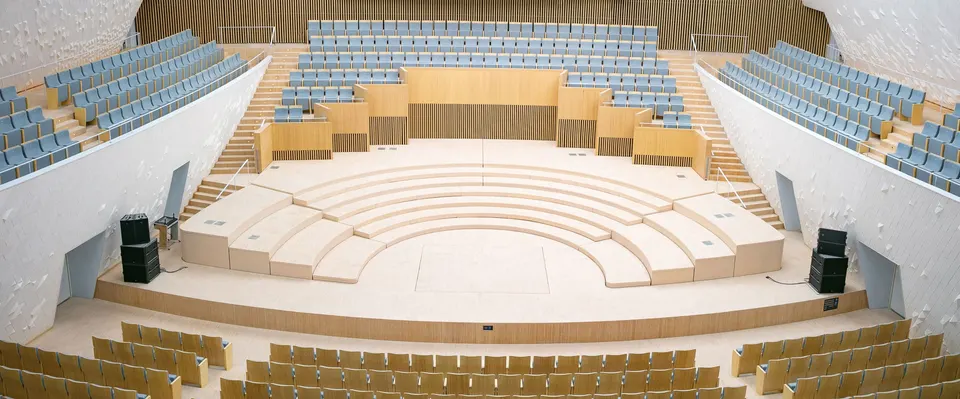
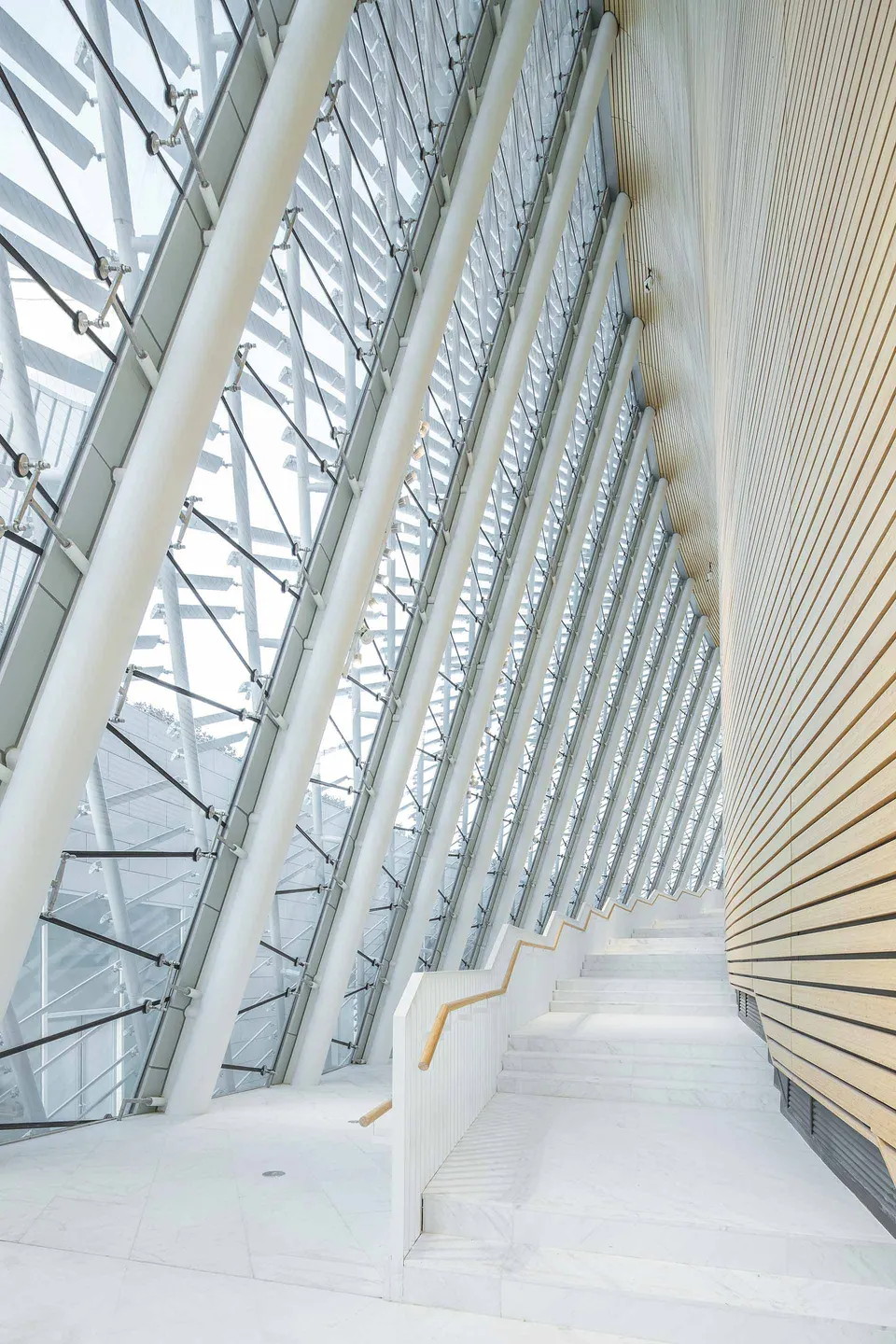
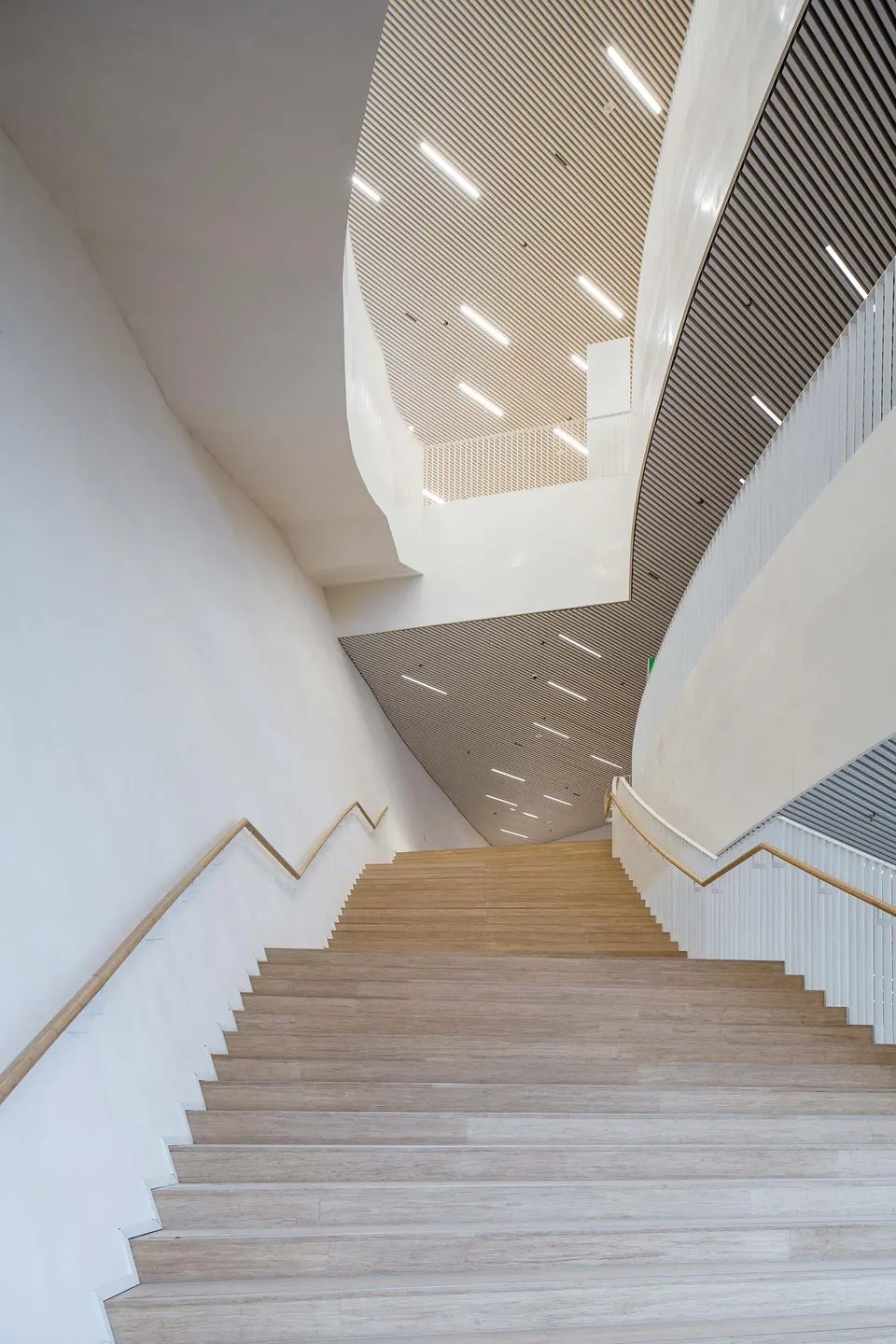
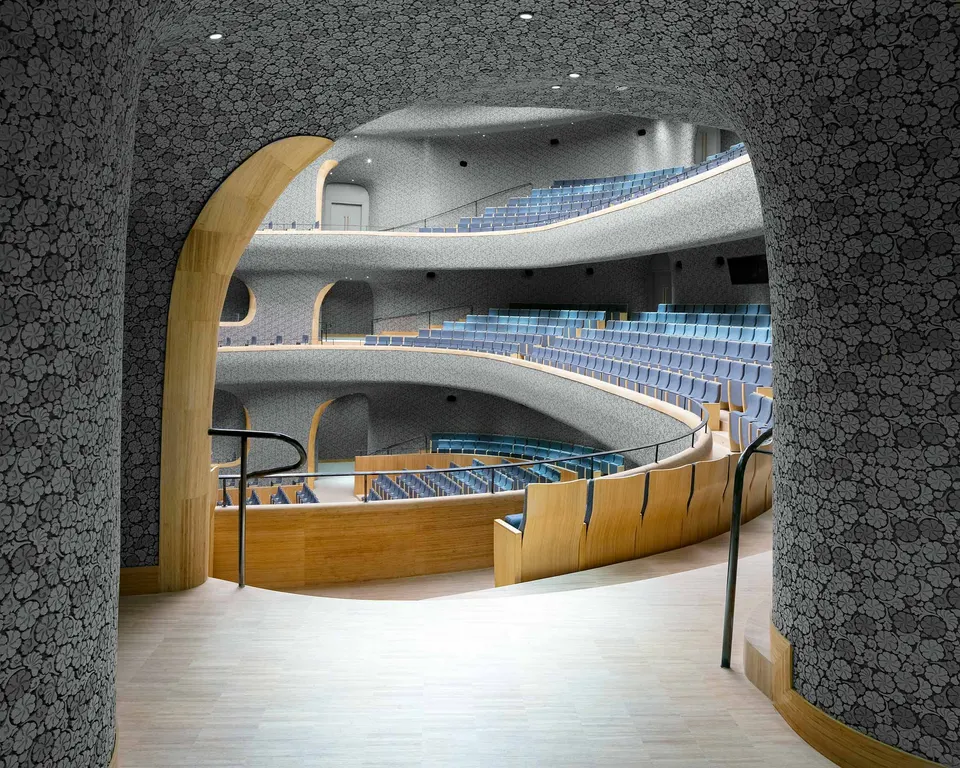
Inside, timber wall lining adds a touch of colour to the circulation areas. Timber is also used on the skin of the theatre for acoustic reasons: to be precise, the architects have covered the walls with solid bamboo panels cut by CNC machine.
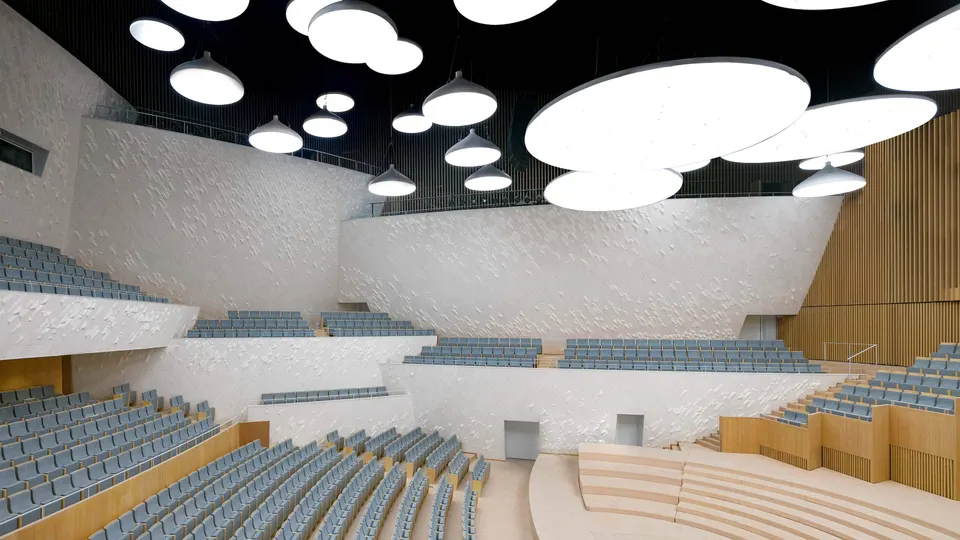
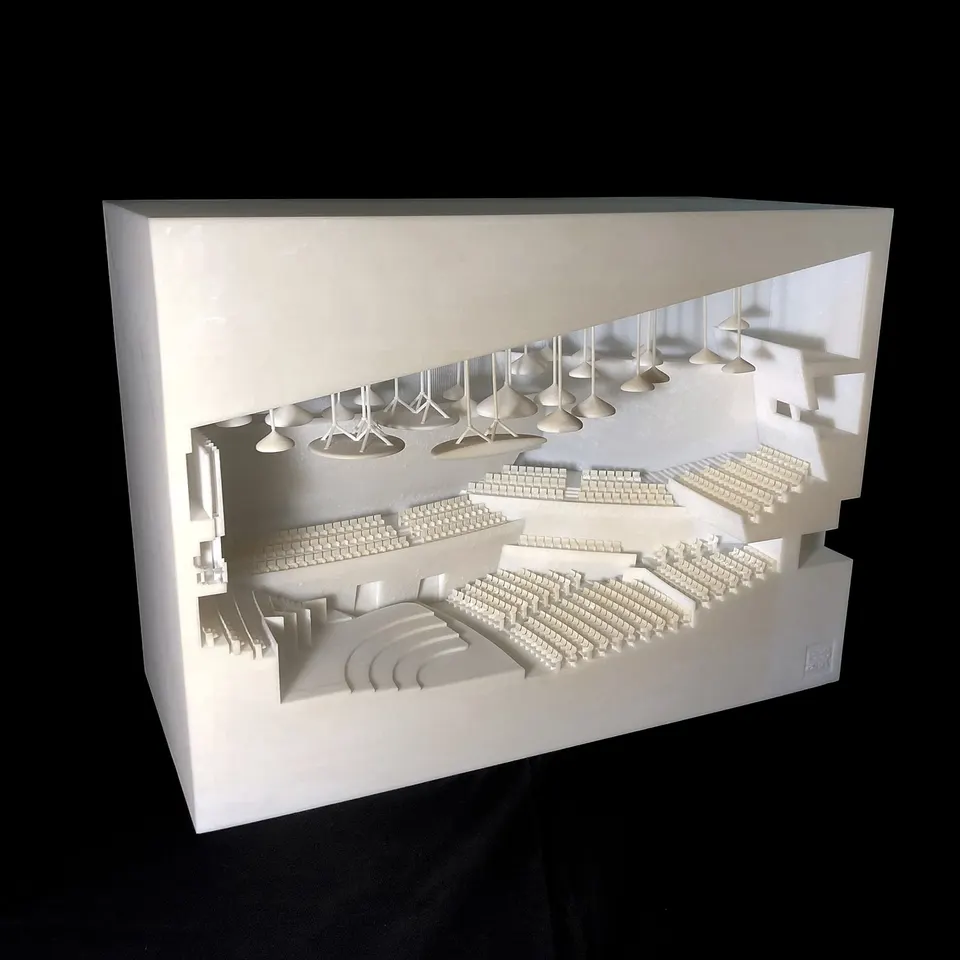
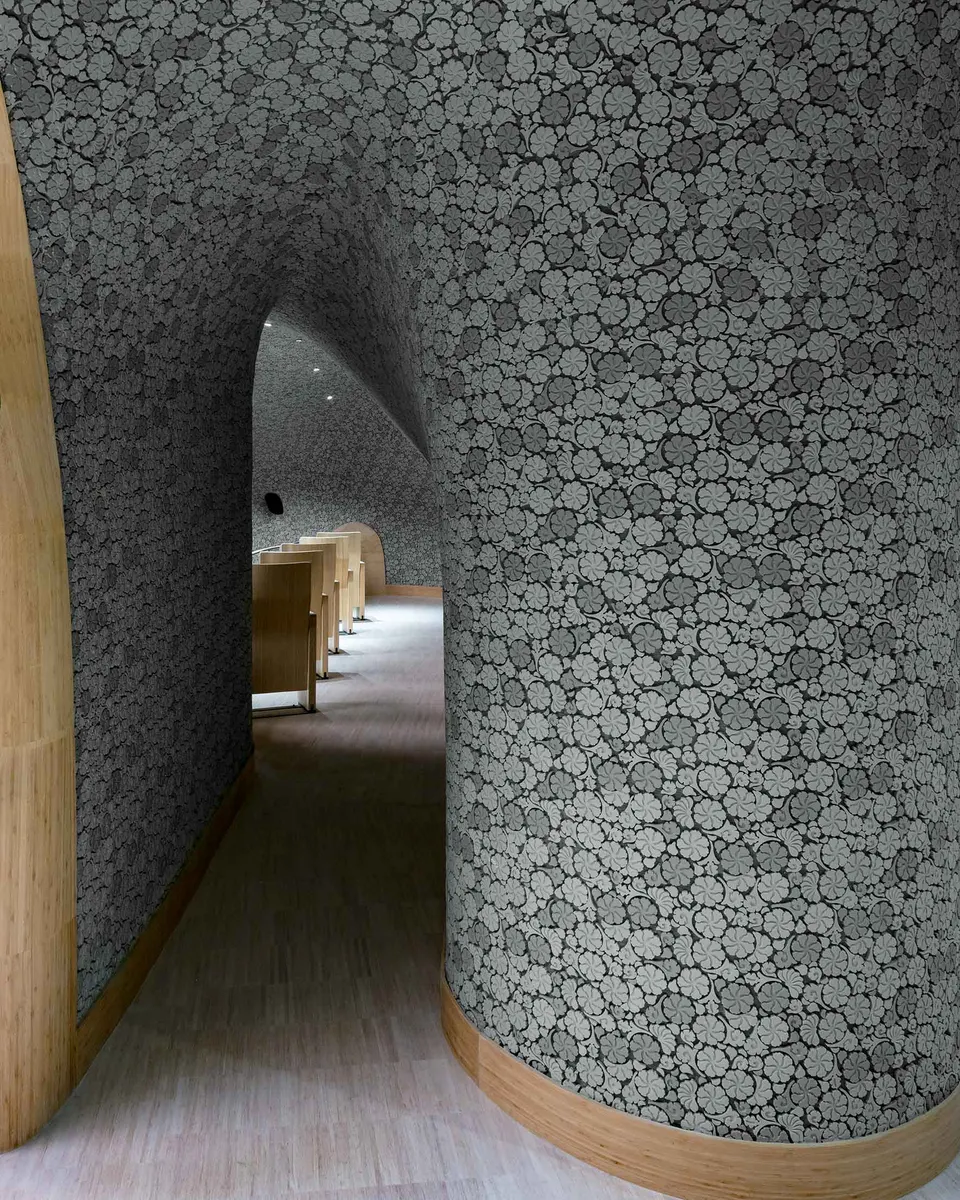
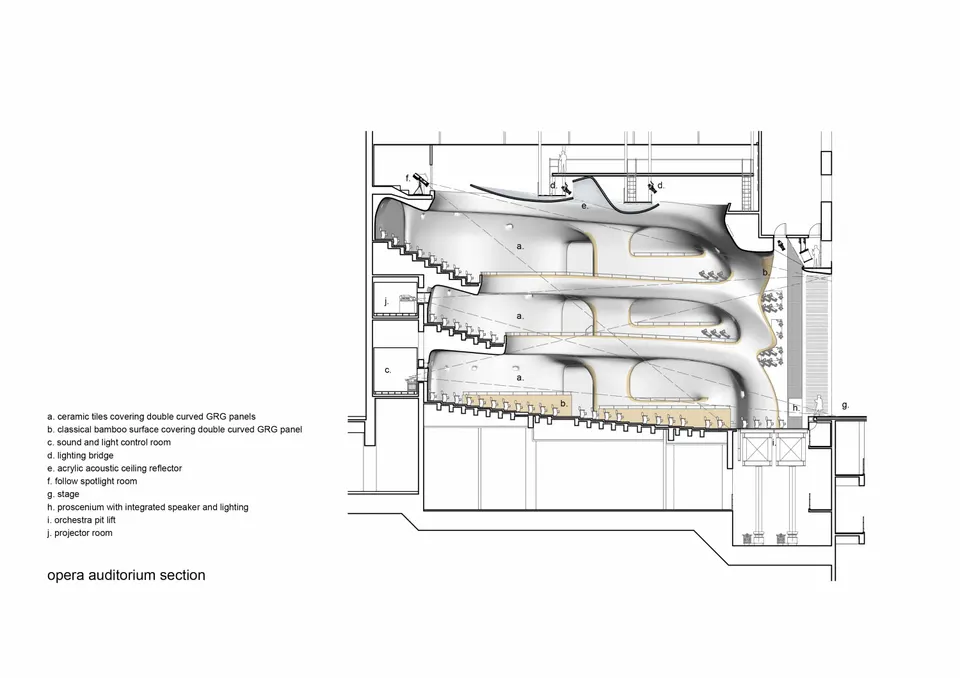
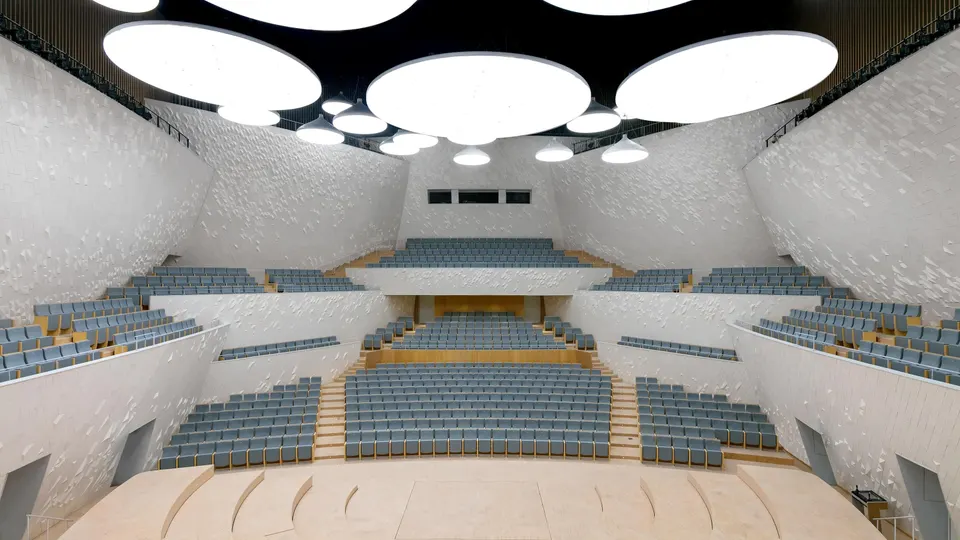
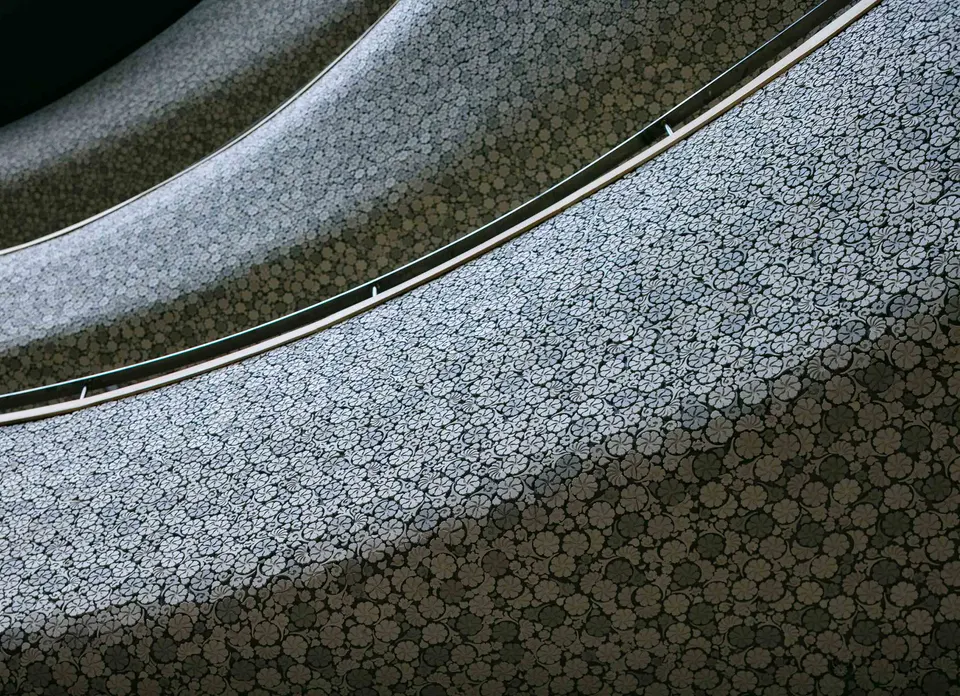
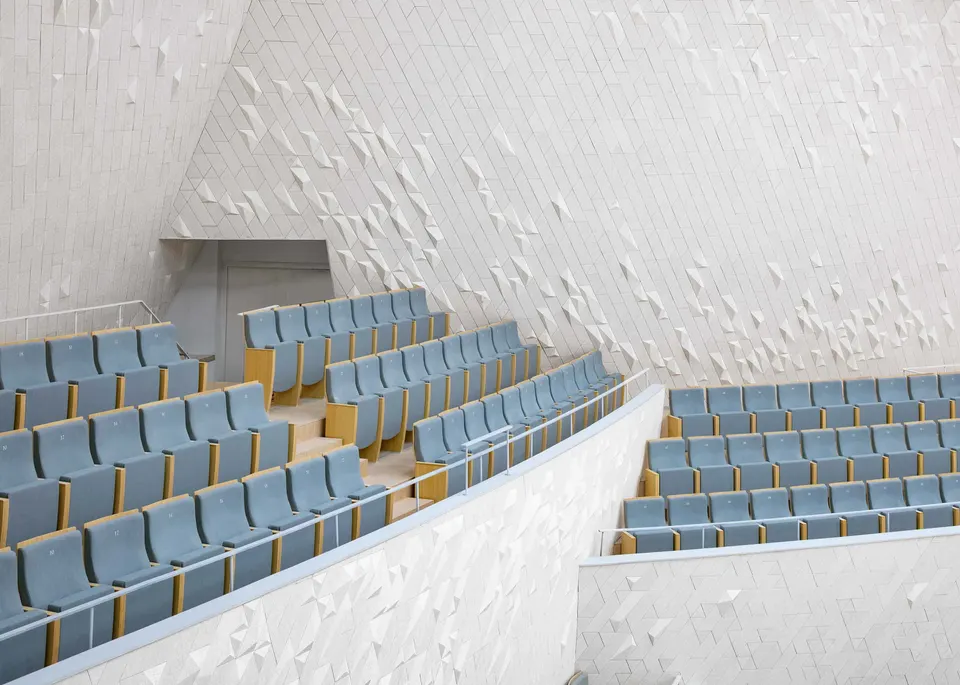
The interior of the opera house celebrates flowers through a bluish floral wall treatment. The craftsmanship involved in installing these hand-laid ceramic tiles, which give the opera house all of its relief, is worth appreciating. The concert hall is likewise clad in ceramic, but the execution is quite different. It follows the logic of the exterior façade while introducing a few distinctive touches of its own.
Gallery
37 images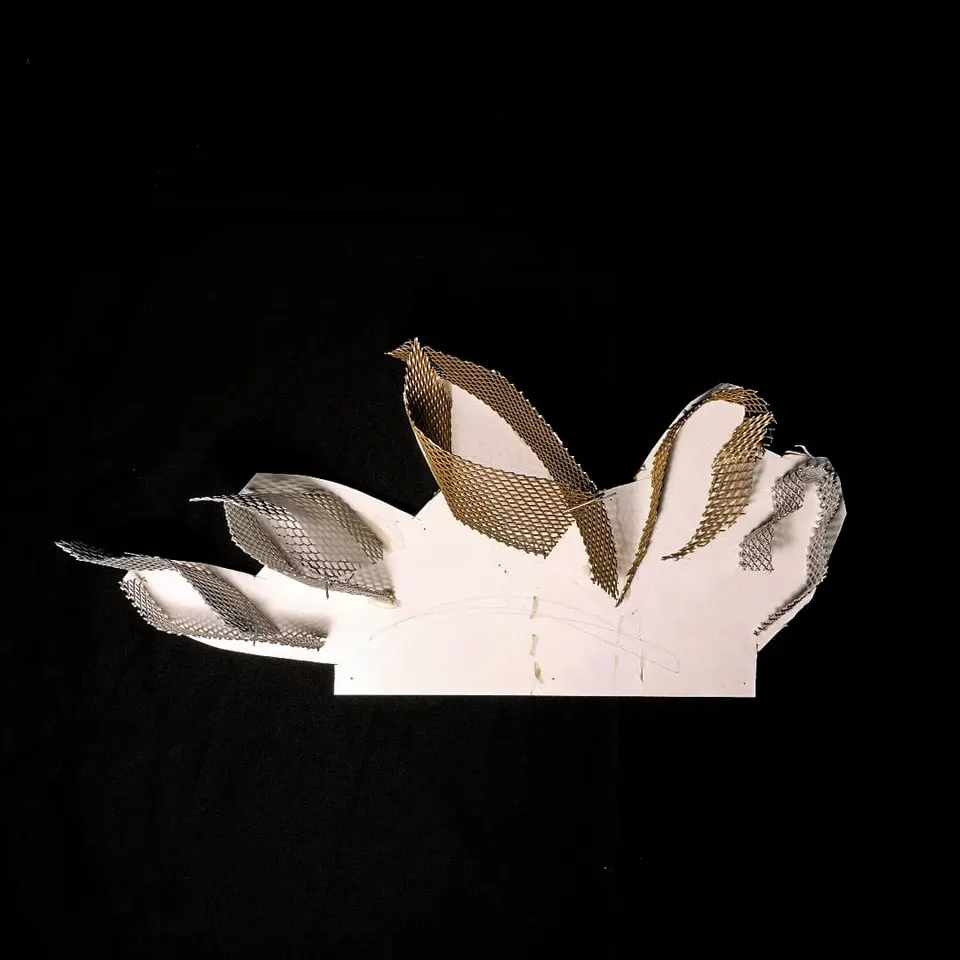
- © Marc Goodwin
- © PES Architects
- © Zhang Yong
Also available in FrançaisDeutsch