
The National Museum of Science and Technology in Coruña, Spain, by Acebo X Alonso
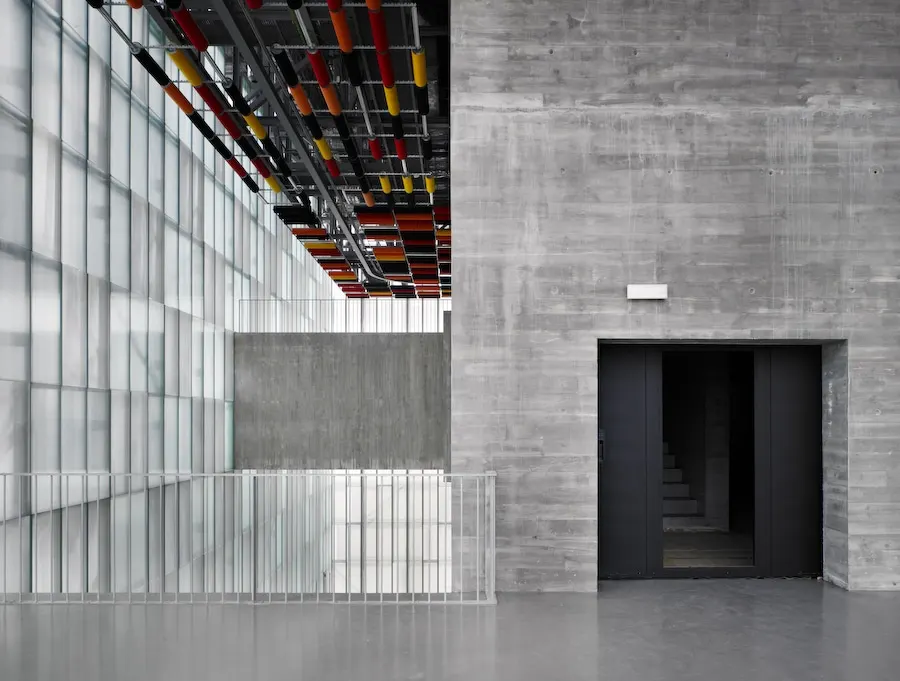
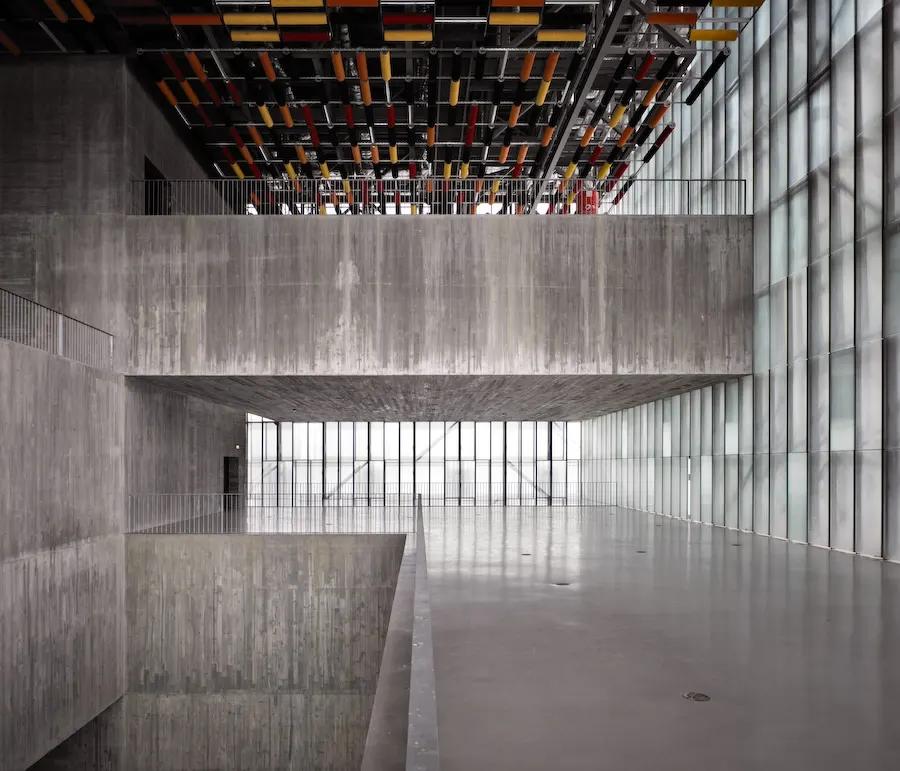
The Coruña arts centre was the subject of an international competition for a building combining two different programmes: a dance school and a museum. The practice Acebo X Alonso chose to develop the project within a single volume.
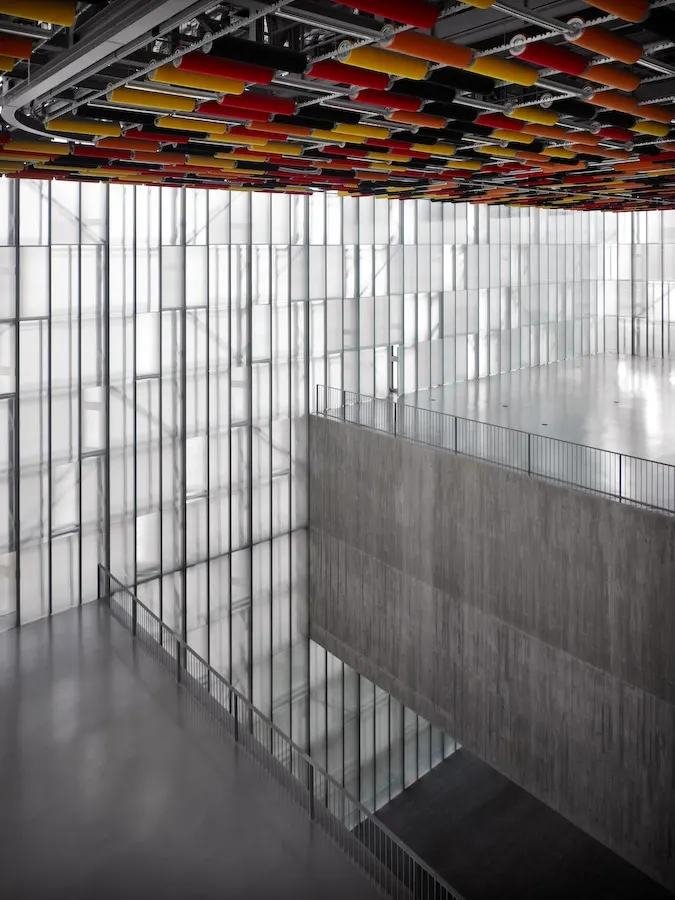
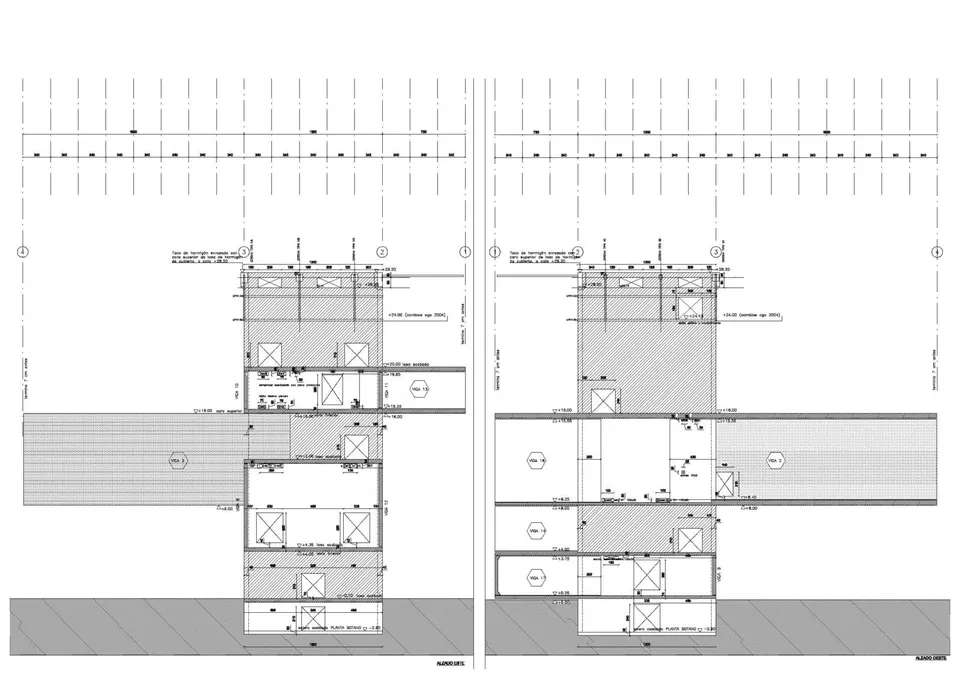
This approach makes it possible to explore the relationship between the two structures from several angles: organisation, perception, expression, function and construction. The odd concrete form houses the dance school, while the museum sits between the school and the edge of the volume.
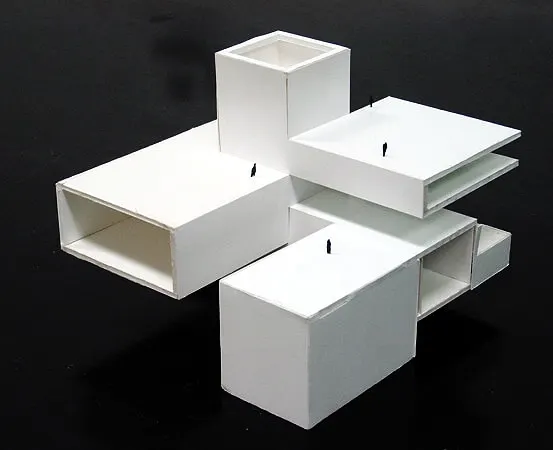
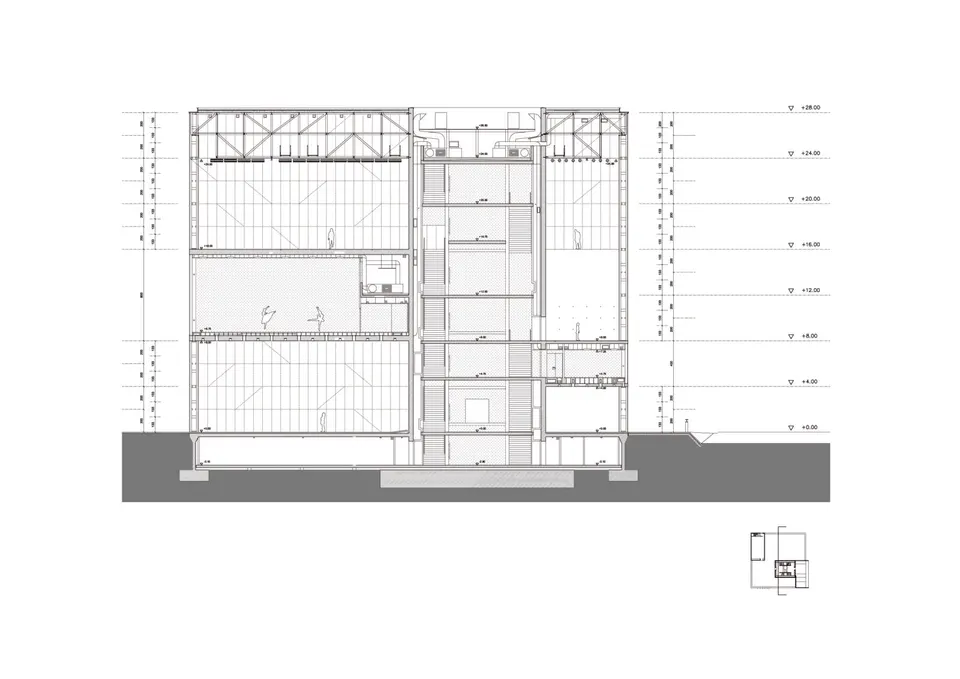
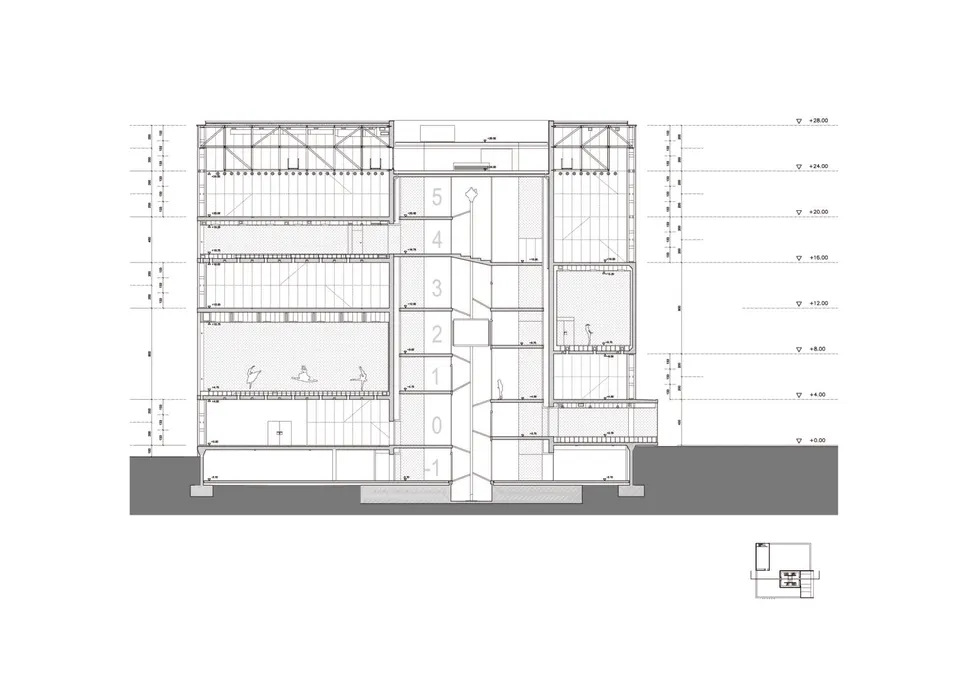
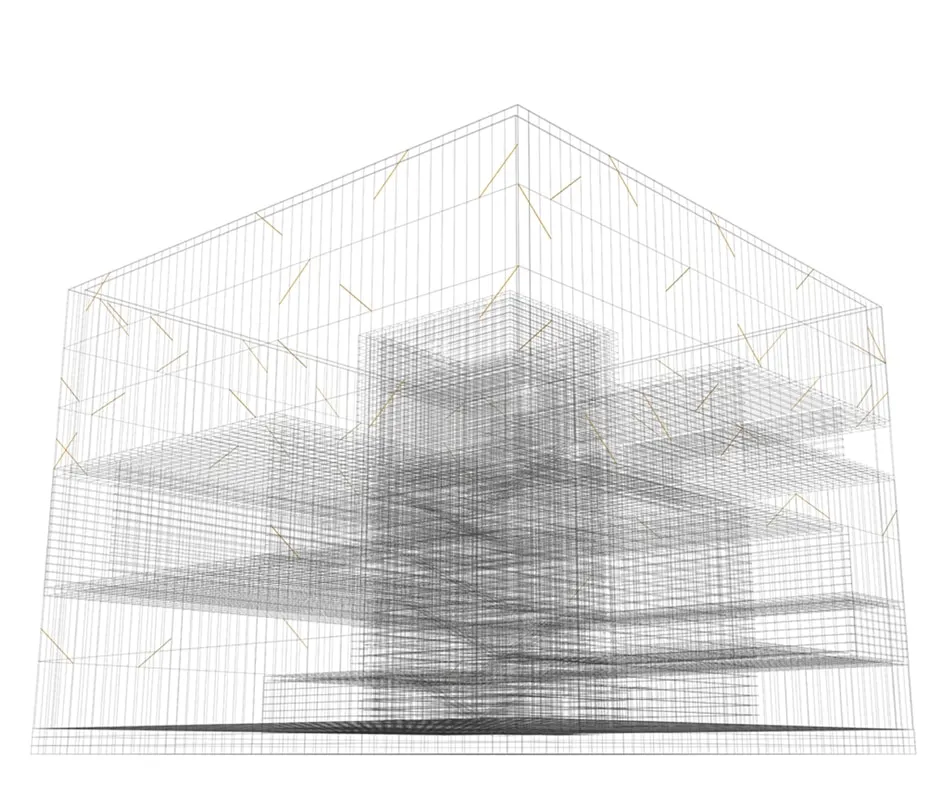
The dance school is organised around a central column that links the various studios. Each volume responds to a specific requirement of the school's programme.
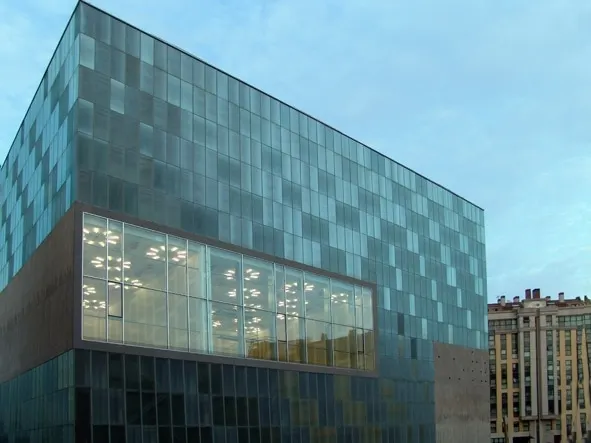
The museum rests on concrete floor slabs at six different heights, linked by the central column; this spatial experience is simultaneous. The volumes need to be spacious in order to offer a versatile setting, and to achieve this the ceiling has been designed to adapt to any type of exhibition.
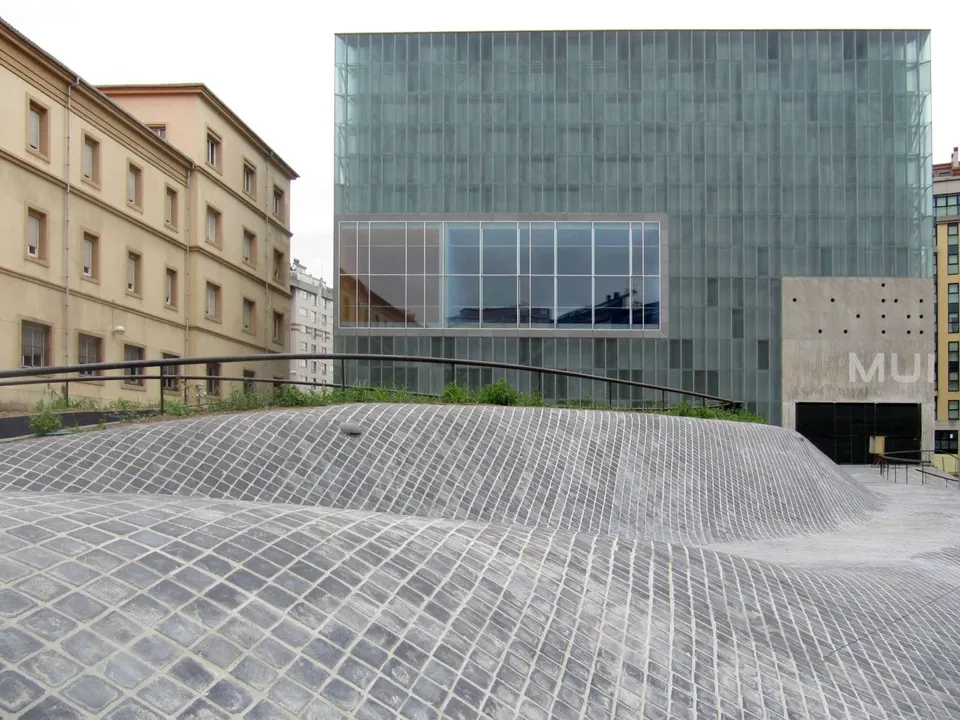
The idea of duality recurs in the project through its treatment of materials. The building envelope tempers the concrete look through the use of steel.
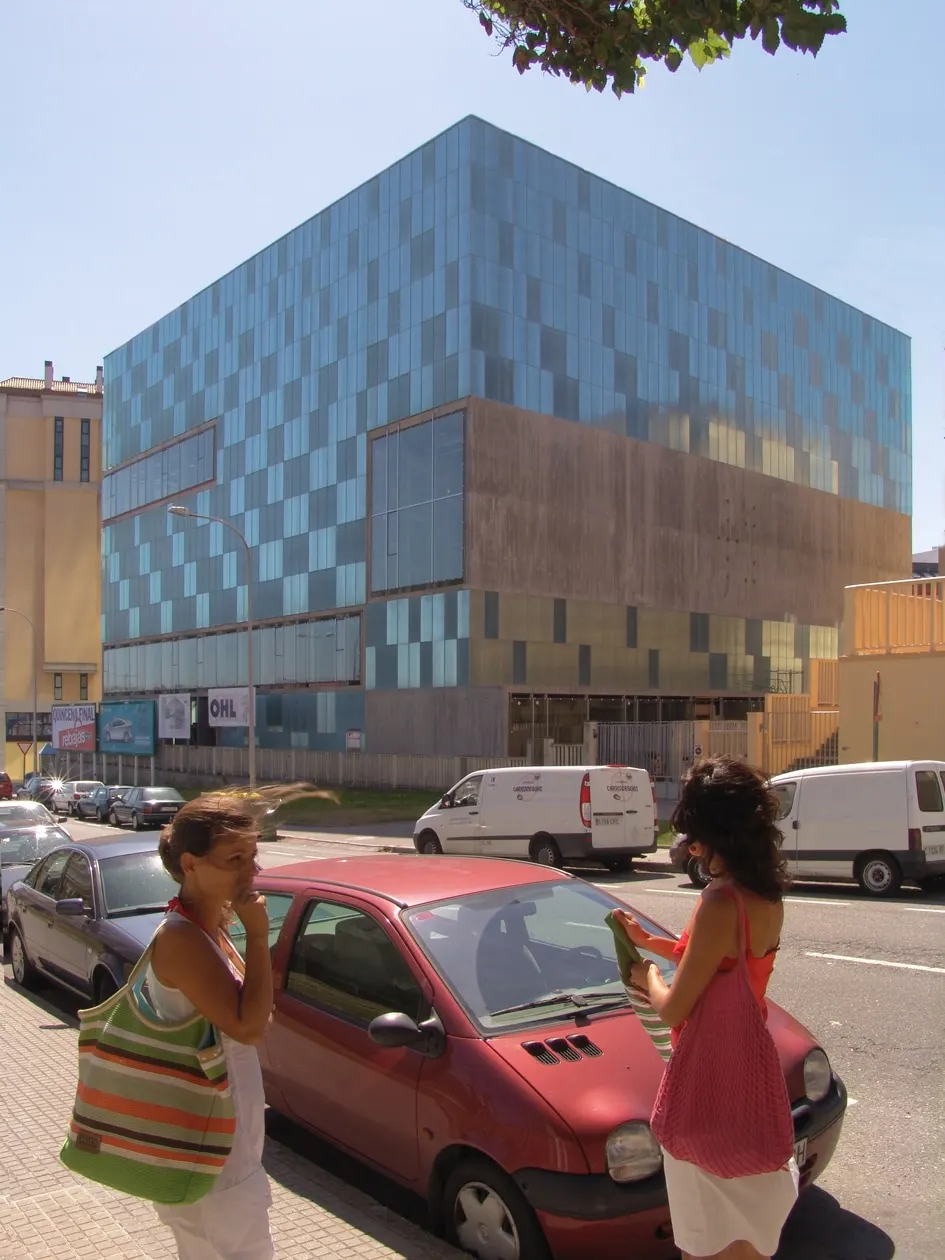
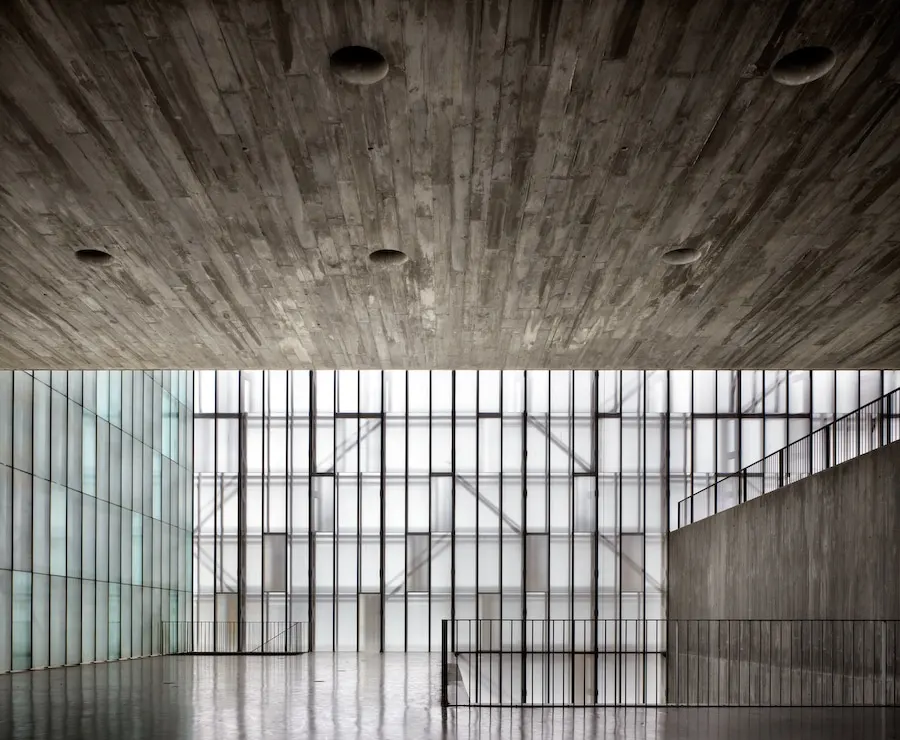
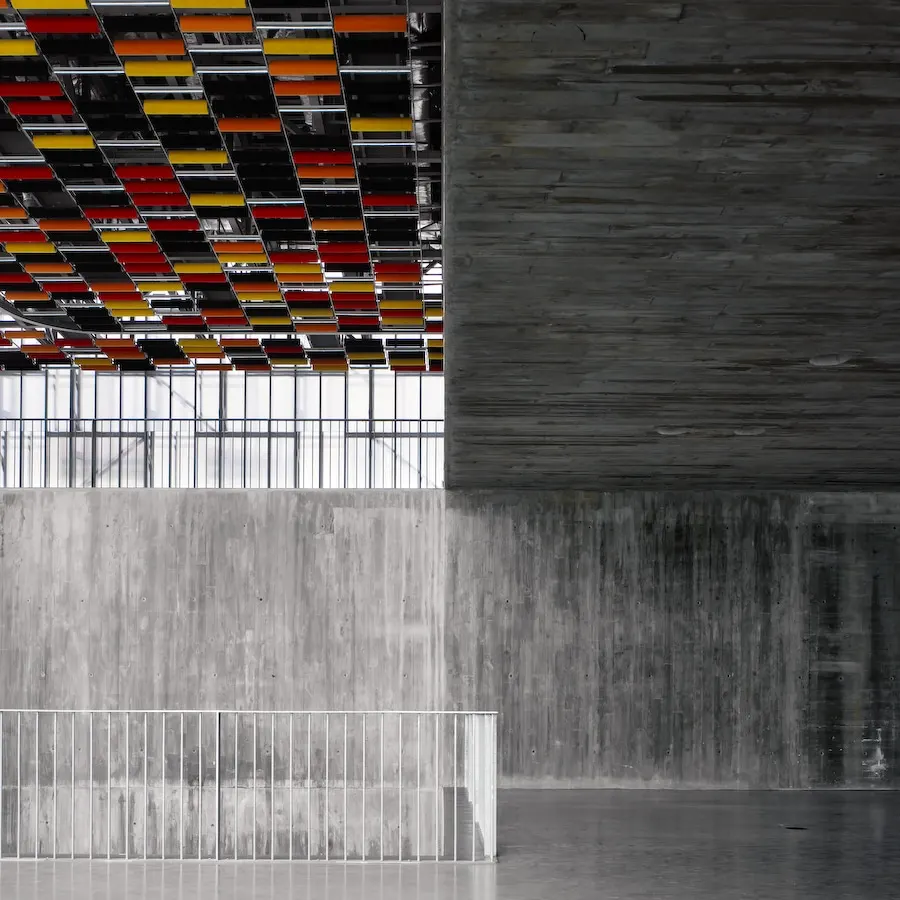
The museum's texture is achieved with self-levelling concrete poured into timber formwork. The grain of the timber imprints runs in different directions so that the planes read more clearly.
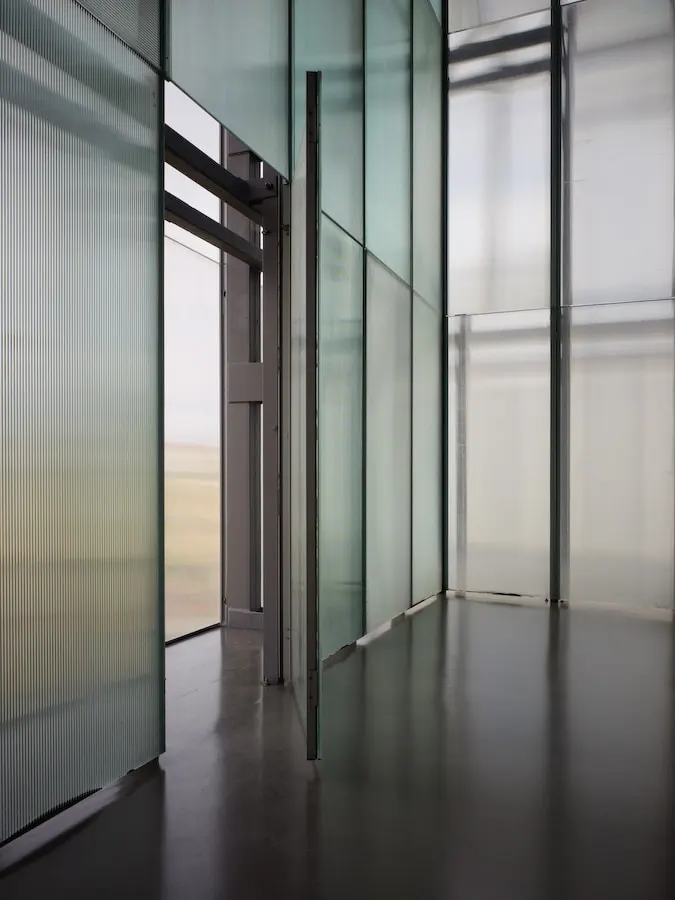
The glass panels change the direction in which light travels, breaking up reflections.
The practice used patterned industrial glass, laminated with low-iron glass using resin; standard lamination was not possible because of the irregularity of the glass.
The glass is fixed to the steel frame with silicone, and the façade has been designed to withstand winds of 200 km/h.
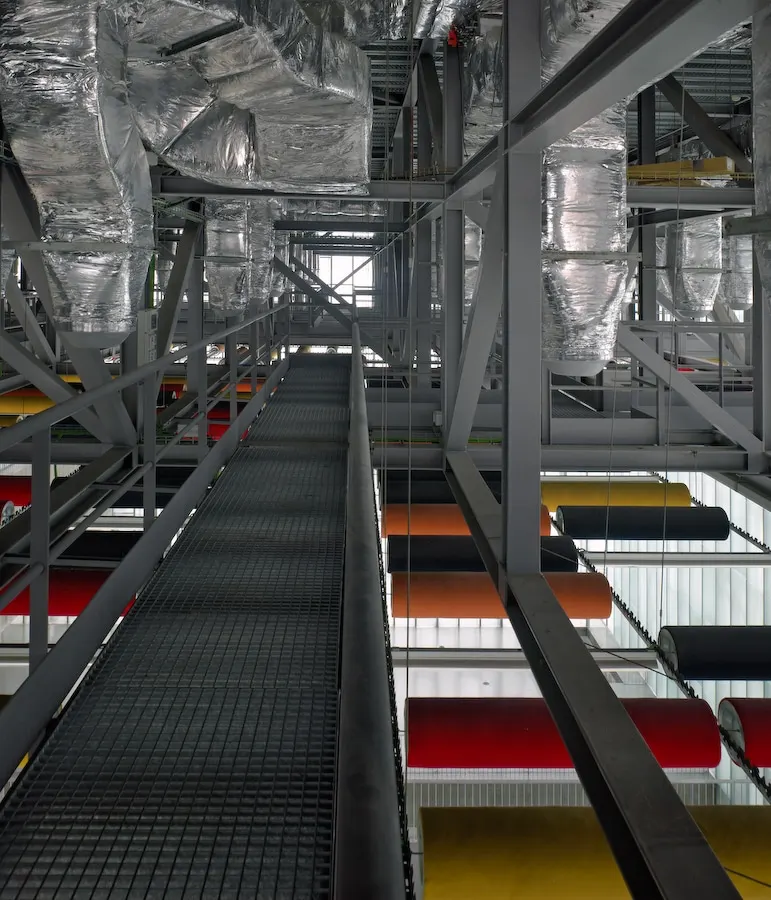
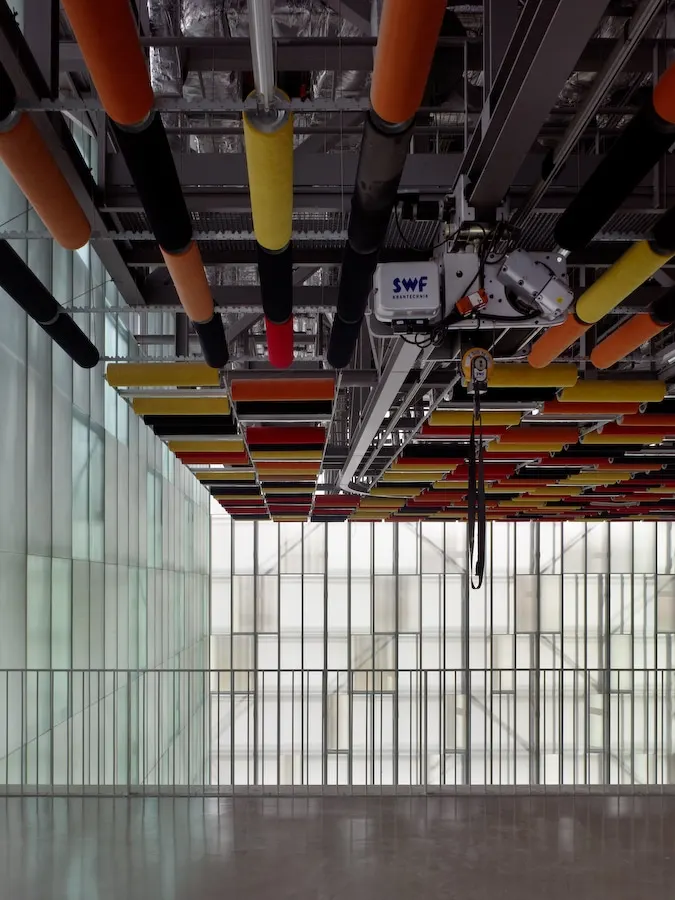
The practice created 1,000 coloured wool cylinders to absorb noise inside the building. These cylinders are normally used in large industrial buildings housing noisy machinery, where they prevent sound from travelling.
The four colours of the cylinders produce a visual effect and also conceal the various services, such as air conditioning and electrical cables.
The building is now being converted into the National Museum of Science and Technology. The art museum was never even used.
The conversion was straightforward: the dance school now serves as the service area for the new museum.
In one section of the central column, the lift and stairs have been removed, but the project remains the same.
Gallery
18 images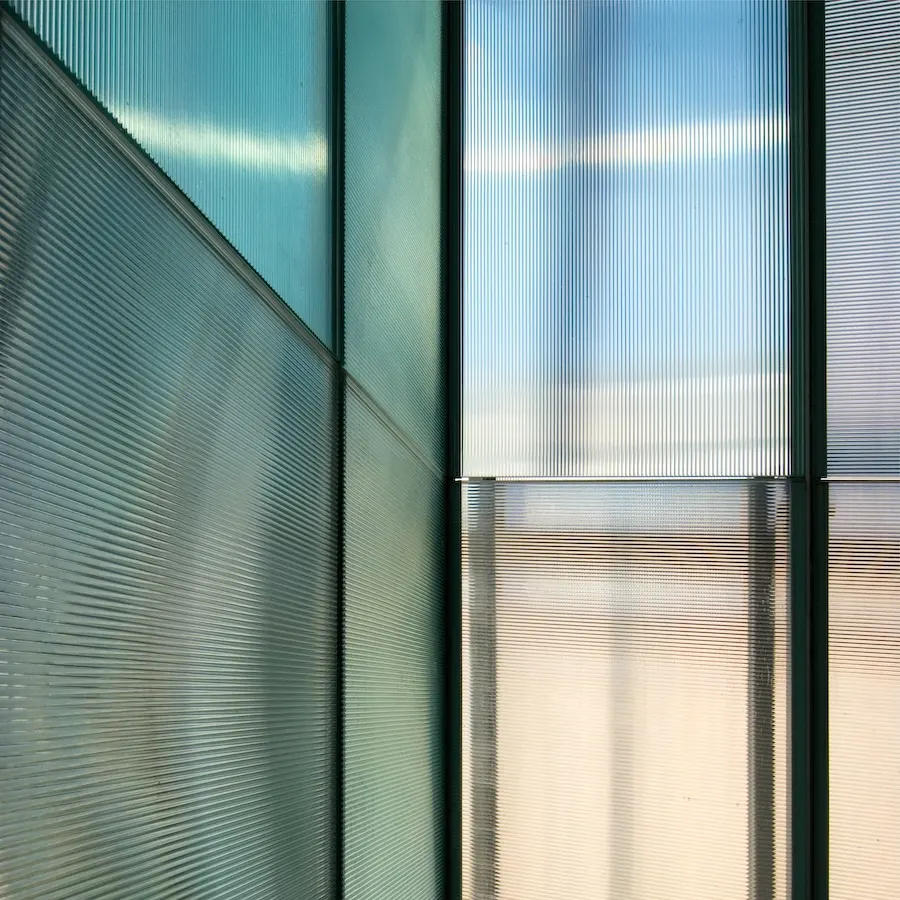
- © Héctor Santos-Diez
- © Acebo X Alonso