
The French Pavilion at Expo 2010 Shanghai by Jacques Ferrier
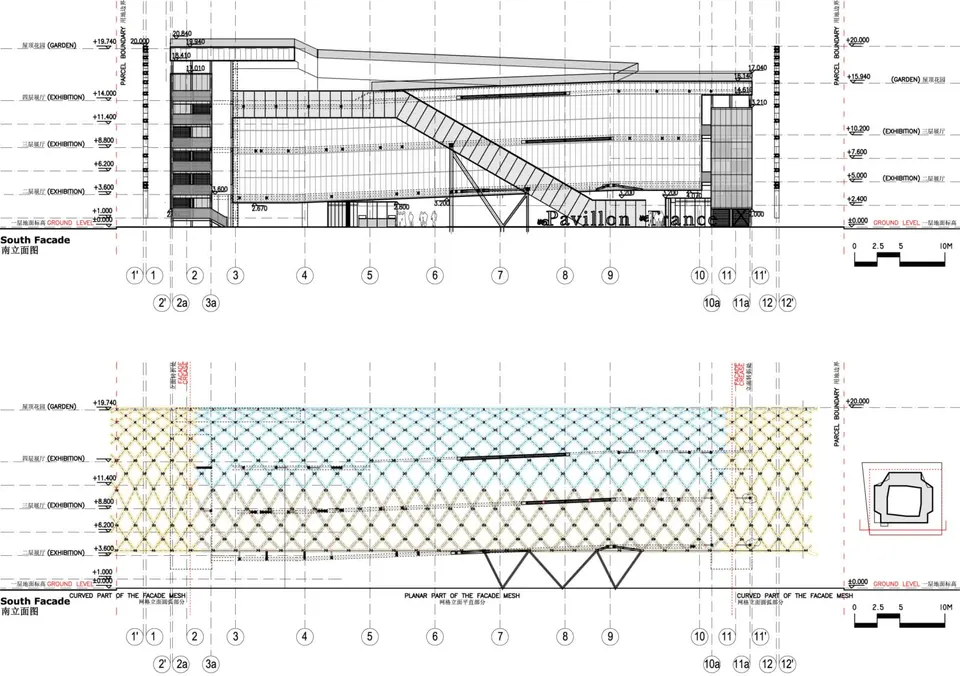
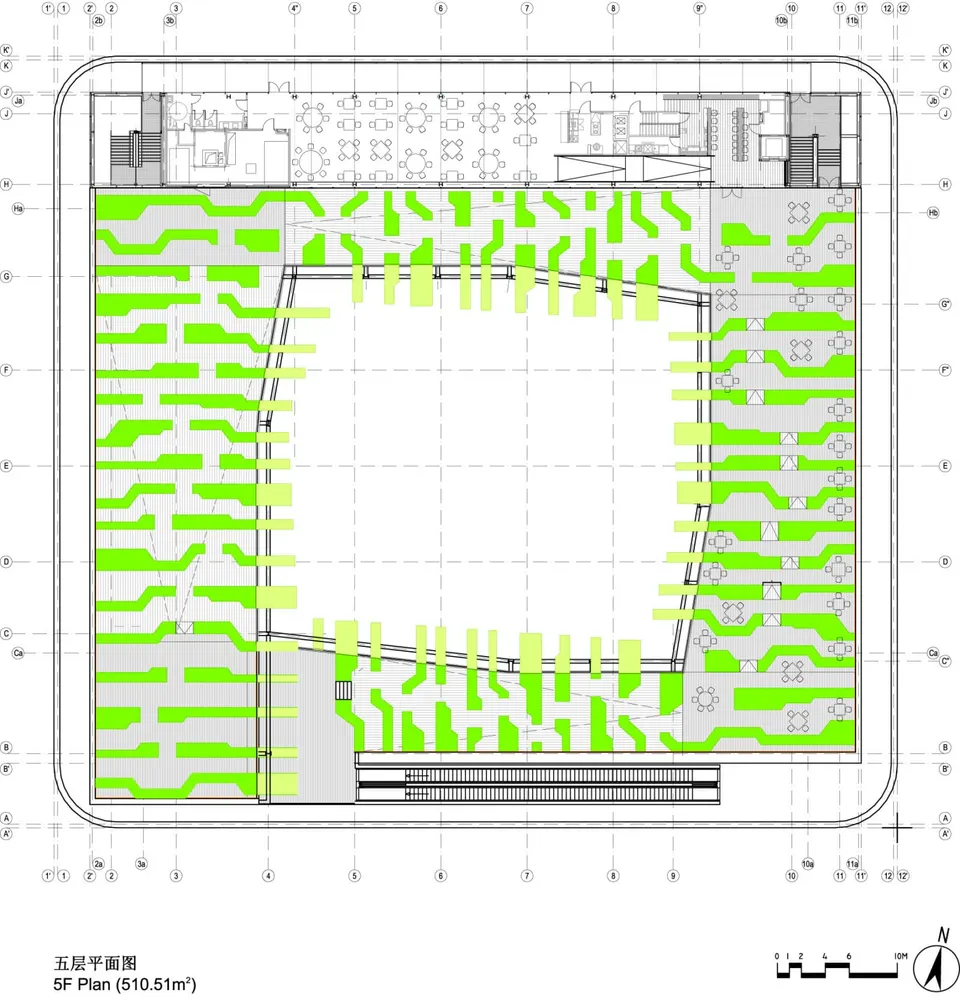
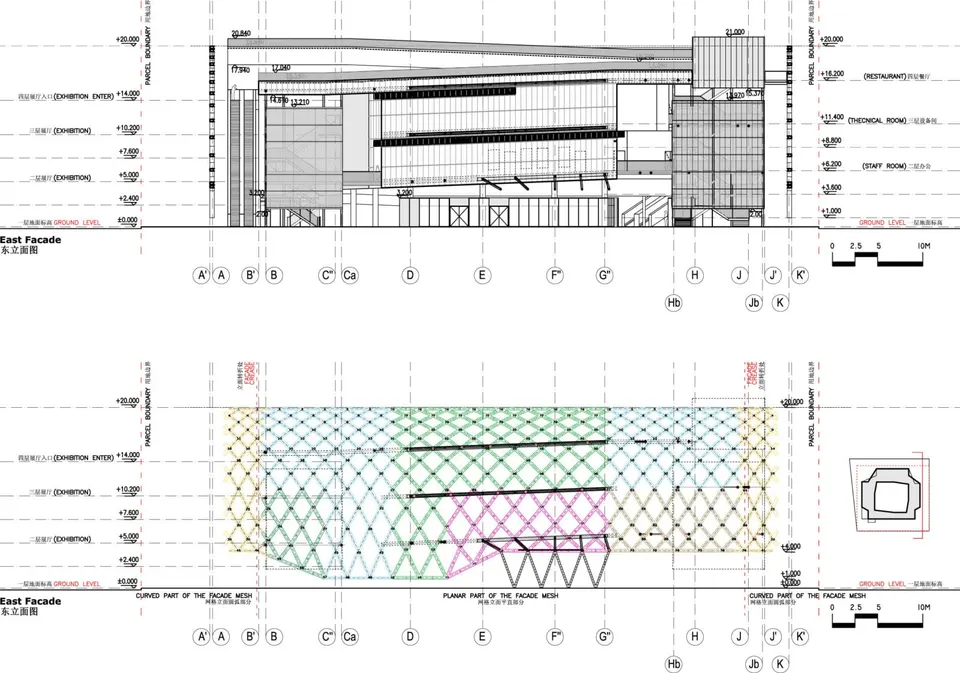
Actuarchi is pleased to present an inside view of the French Pavilion in Shanghai, together with a selection of drawings. The French pavilion at Expo 2010 is the work of Jacques Ferrier Architectures; many thanks also to photographer Jean Paul Planchon for his images.
Statement of intent: "The France Pavilion for the Shanghai World Expo 2010 is a prototype of what we want for the metropolis of tomorrow: beyond the sustainable city, an urban proposal that brings together nature, technical innovation and the pleasure of living in the city".
The architectural project
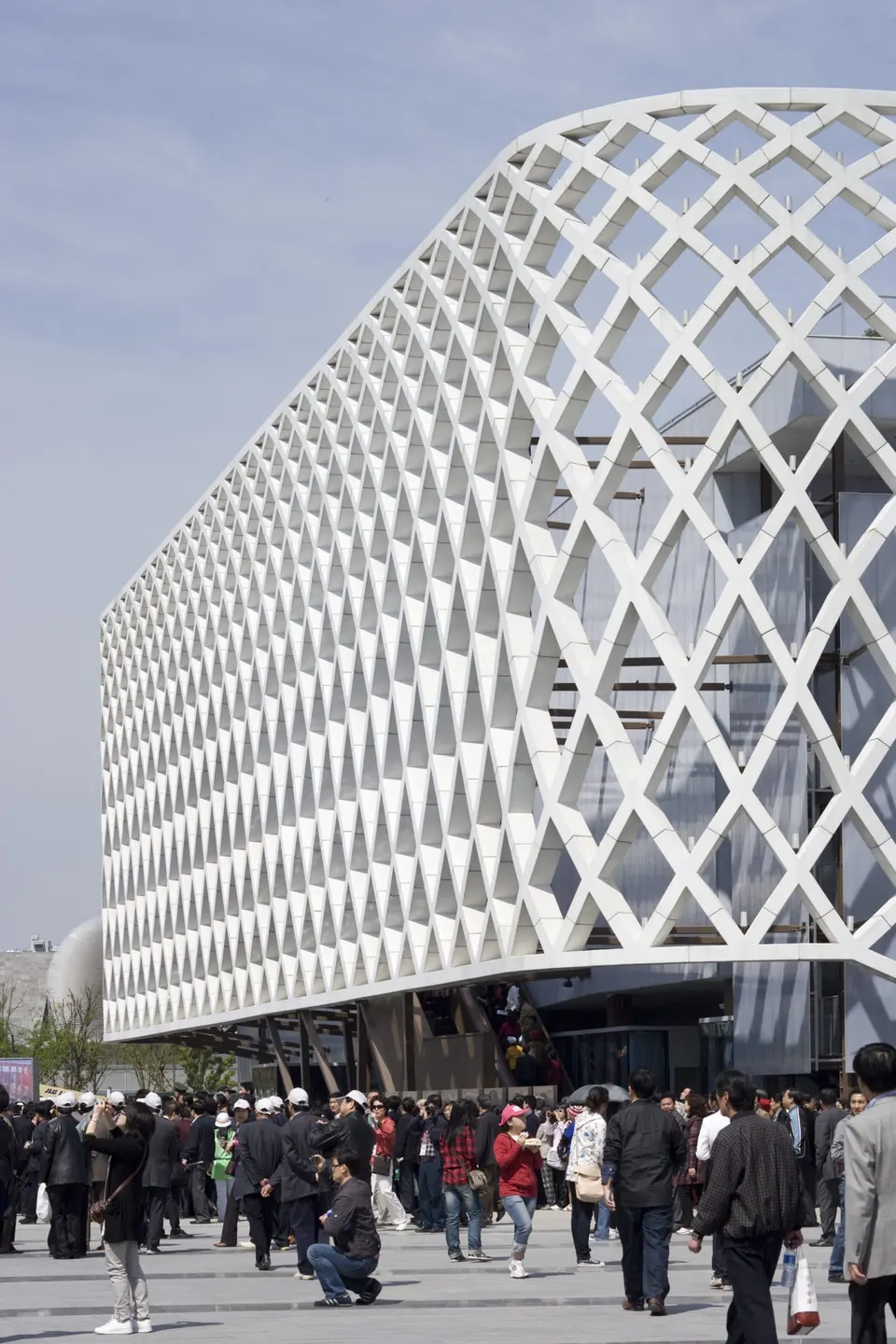
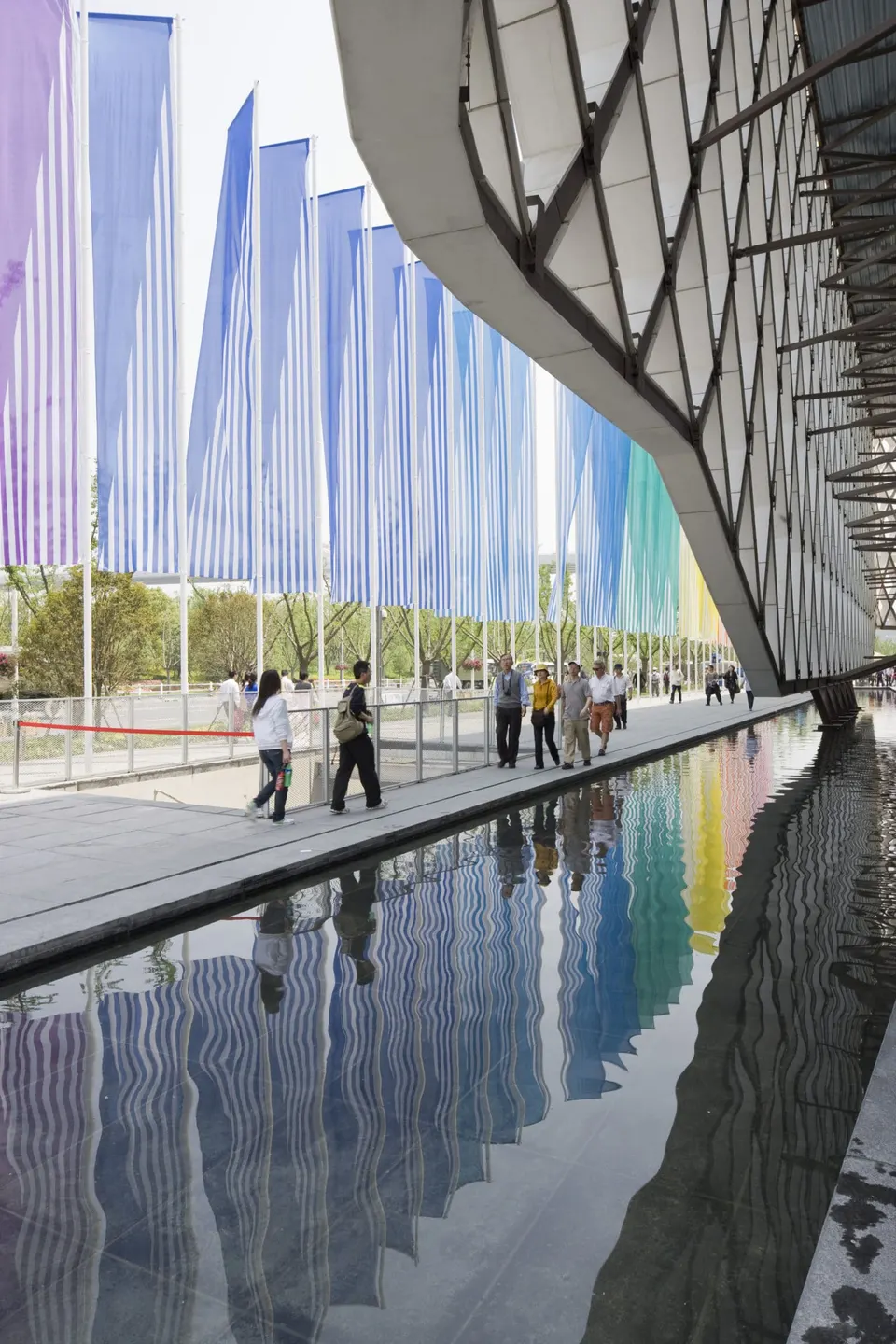
The France Pavilion is conceived as a built landscape. Organised around three major architectural ideas – a pool of water, a mineral lattice and a vertical garden – its geometric form and pared-back lines produce a building that is calm yet surprising. It is the opposite of an exhibition stand or a fairground attraction: it is an example of what architecture can be, designed to outlast the exposition.
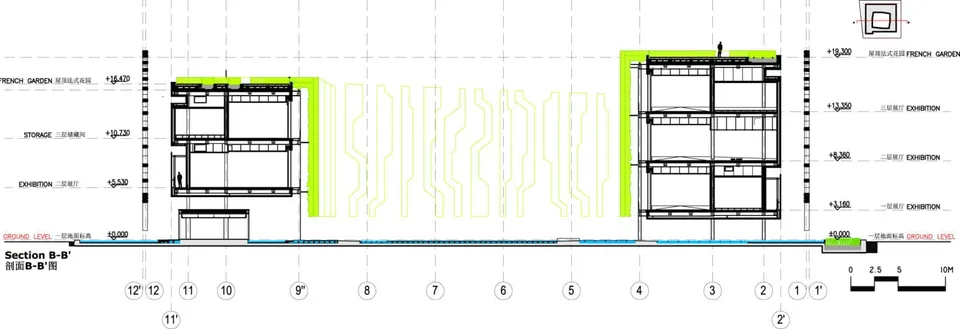
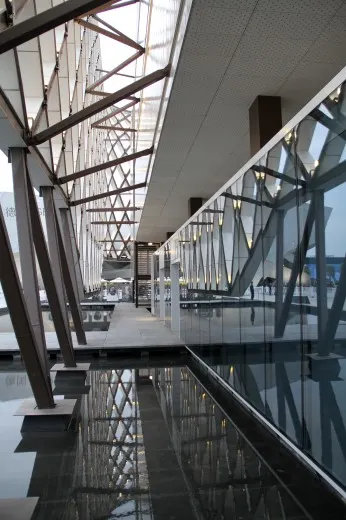
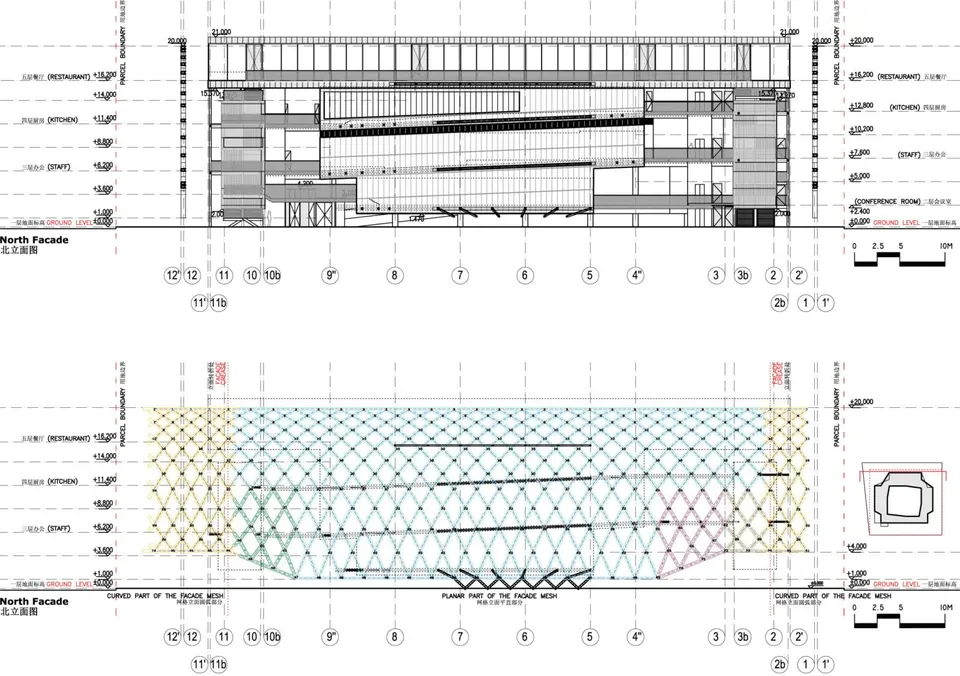
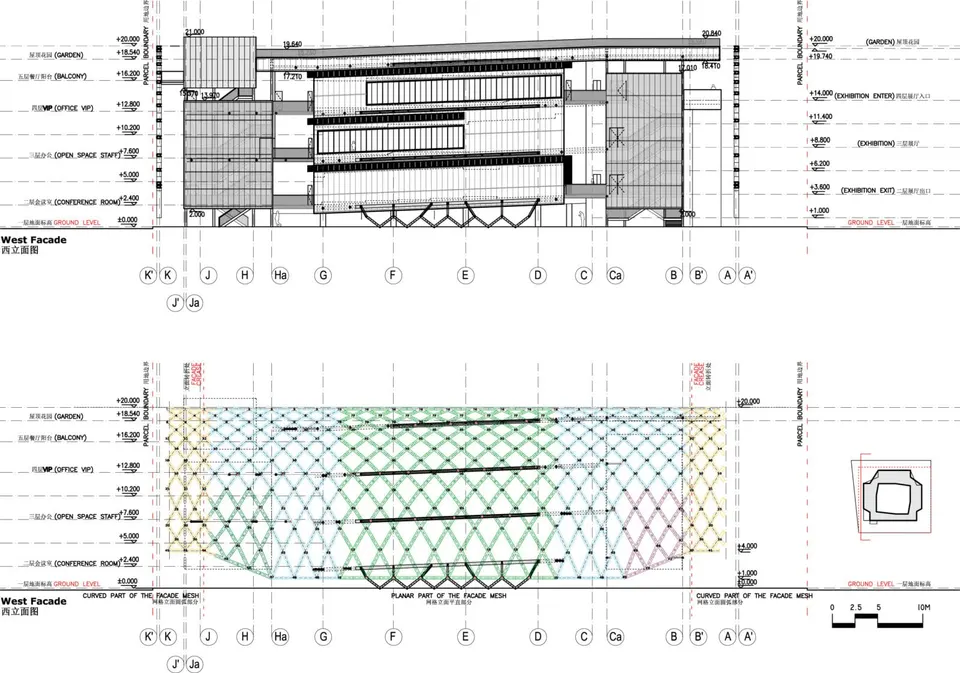
Extending over 6,000 m², the pavilion seems to float above a pool of water, suspended from a lattice that is at once sensual and structural. Rising to 20 metres, this steel mantilla clad in white concrete meets seismic design standards and so illustrates French engineering know-how.
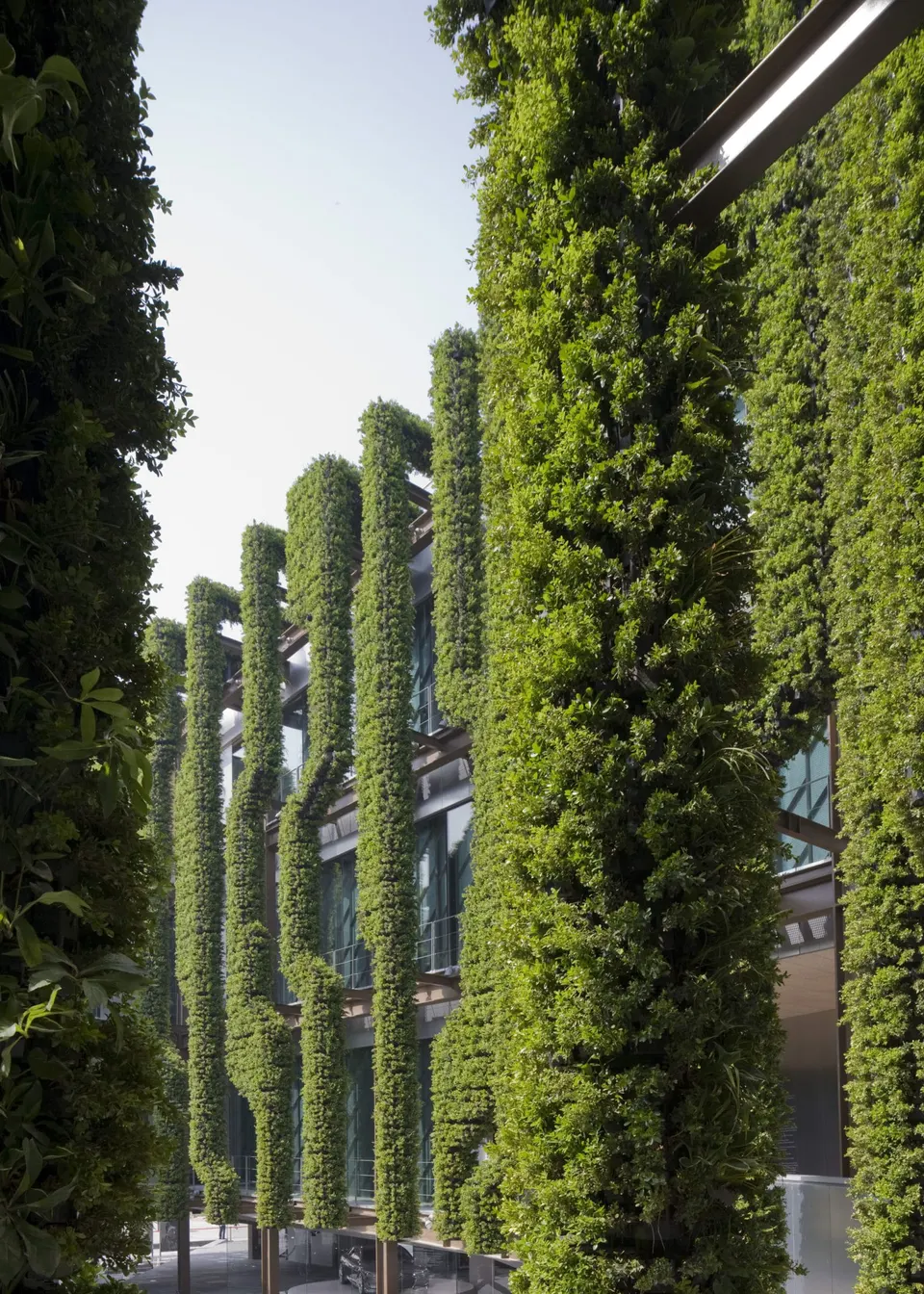
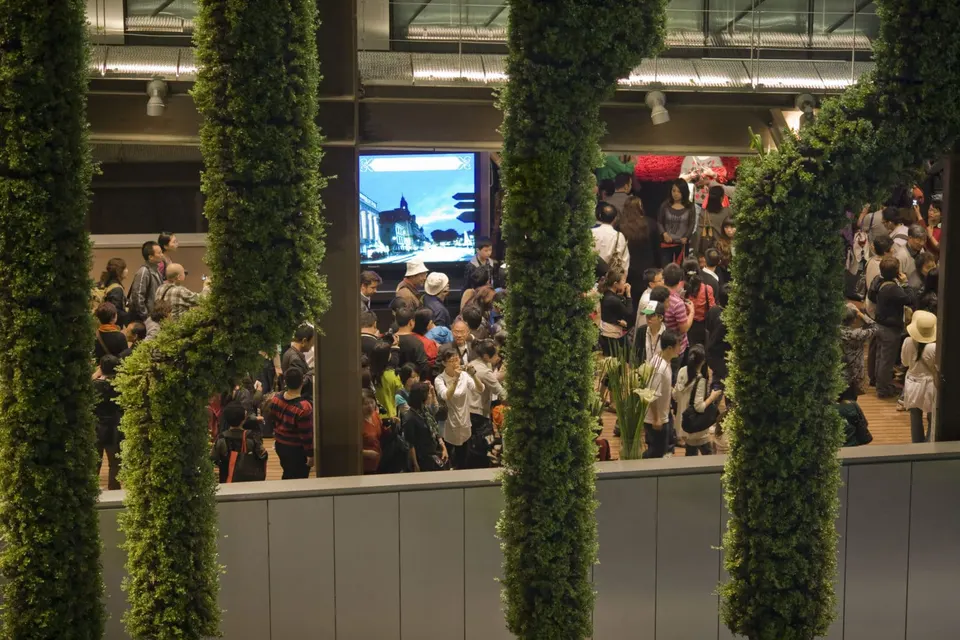
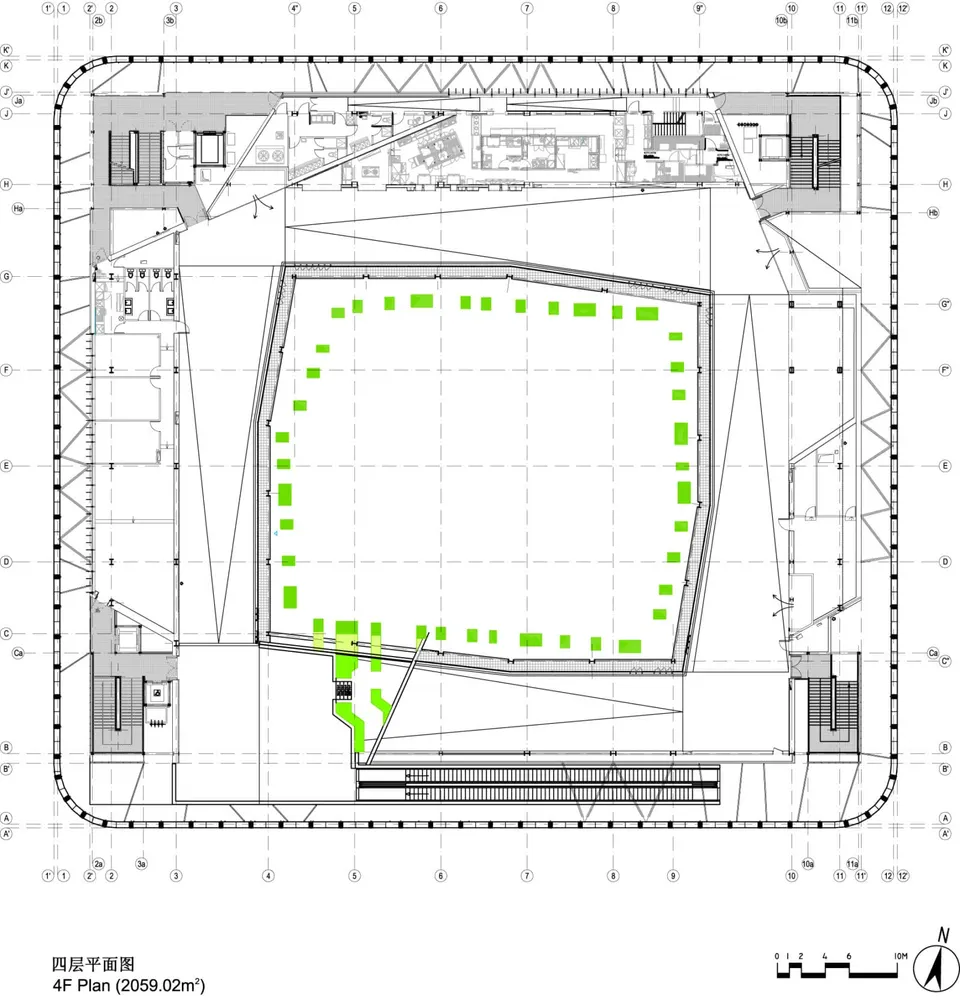
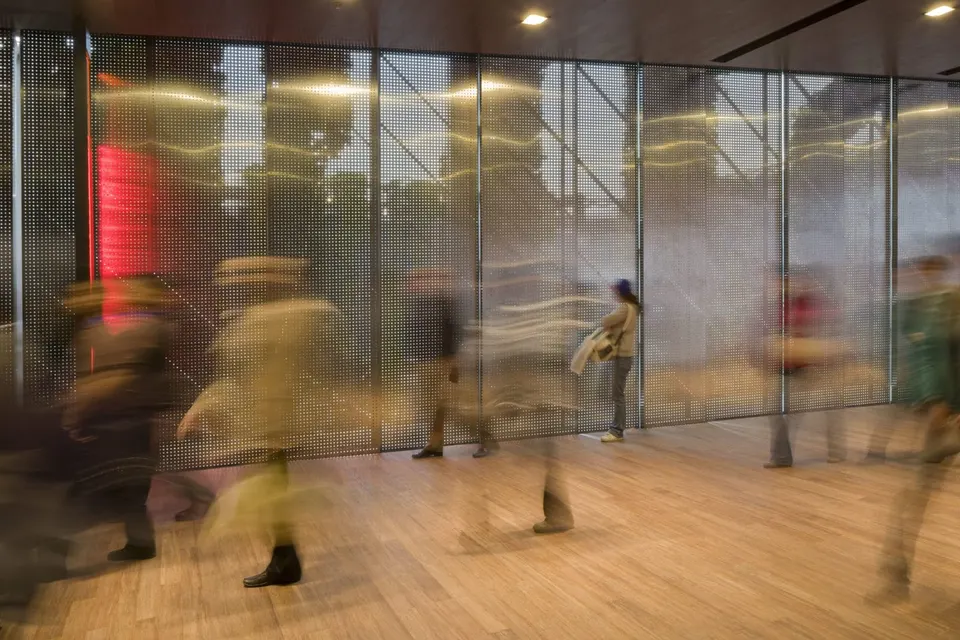
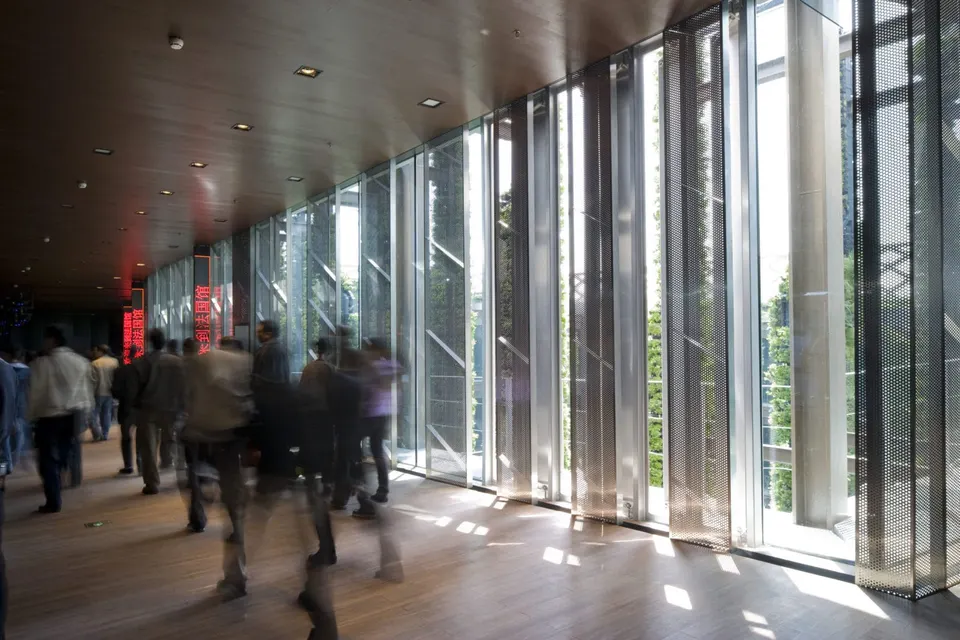
At the heart of this casket, a large patio opens up to visitors. A French-style garden unfolds vertically within it, offering an unprecedented theatre of greenery that is multiplied in the reflecting pool. Conceived as a first exhibition space, the patio receives the queue of visitors in an atmosphere of coolness and of play between light and shade. The wait itself is already a first sensual experience.
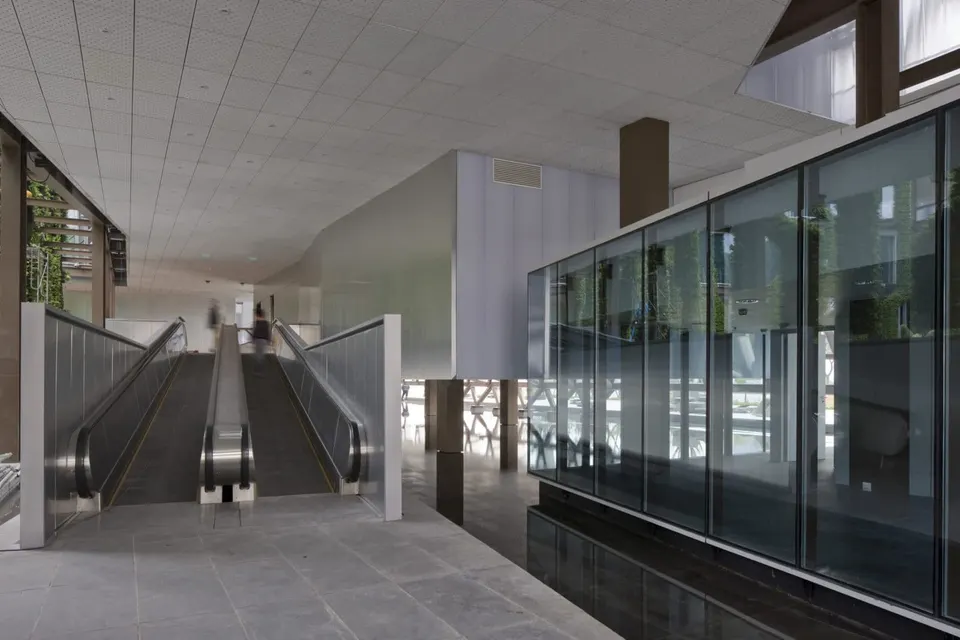
The exhibition route winds around the garden, starting from the top floor and following a gently sloping ramp, thereby placing landscape at the centre of the urban question.
The content: the Sensual City
The France Pavilion is aimed primarily at Chinese visitors. Lasting a relatively short time – about 15 minutes – the visit is conceived as a privileged space of dialogue between China and France. That is why the pavilion's content takes as its unifying theme the city of the senses – taste, smell, touch, hearing, sight – senses that exist in both Western and Chinese perception.
The Sensual City is a way of speaking about a desirable future for the world's great metropolises: a future in which urban man is the focus of all the attention of the technical world. This vision goes beyond the single perspective of sustainable development, adding to it the desire and pleasure of living in cities. The metropolis must be the natural landscape of the 21st-century human being, a landscape in which all the senses can be exercised. Through the simple and memorable idea of the Sensual City, a variety of viewpoints on the experience of living in the big city, today and tomorrow, are explored. The visit is experienced as a unique journey, with associations and contrasts constantly creating surprise and interest.
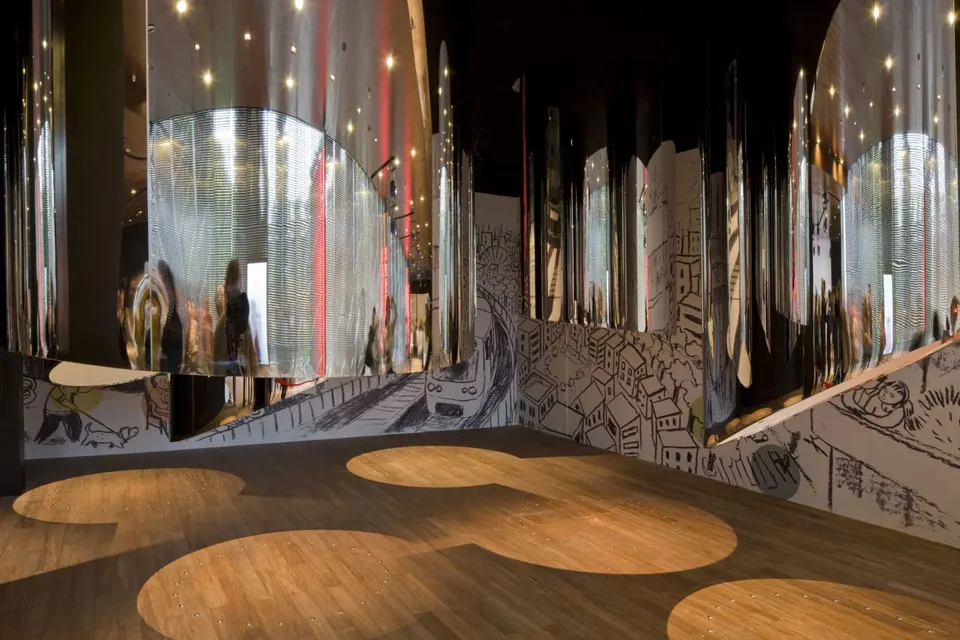
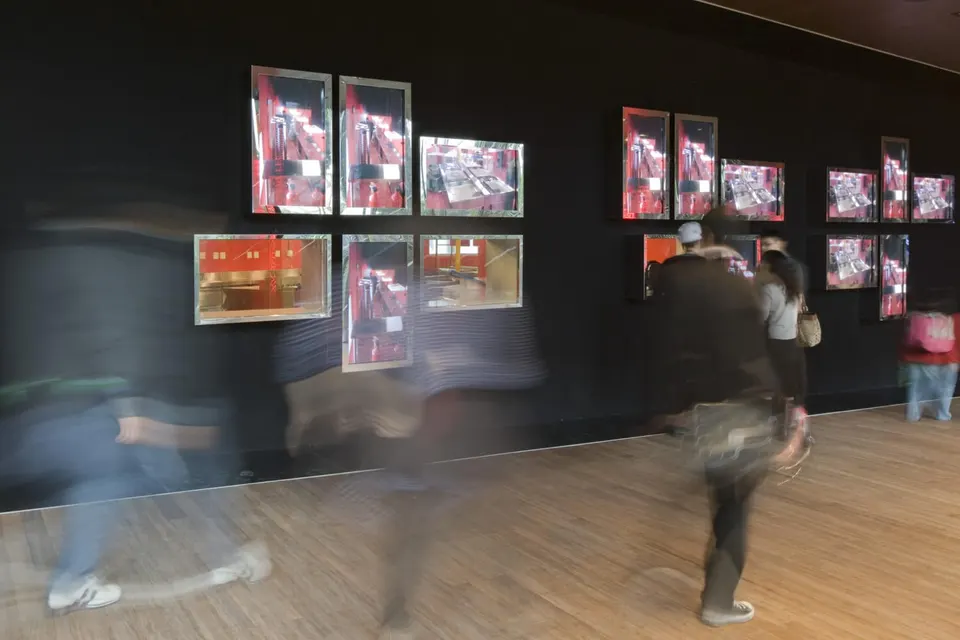
The scenography illustrates the balance between technology and sensuality, between creation and permanence, between city and territory. It stages a spectacular video fresco that leads visitors through a series of French urban landscapes around eight major themes: the city and climate; the city and taste; the city and nature; the city and the future; the city and the sky; the city and movement; the city and night; the city and water.
Some 250 metres long, this fresco is punctuated by a number of multi-sensory installations built around the five senses. The route ends with the first showing in China of seven masterpieces of the Impressionist period, lent by the musée d'Orsay.
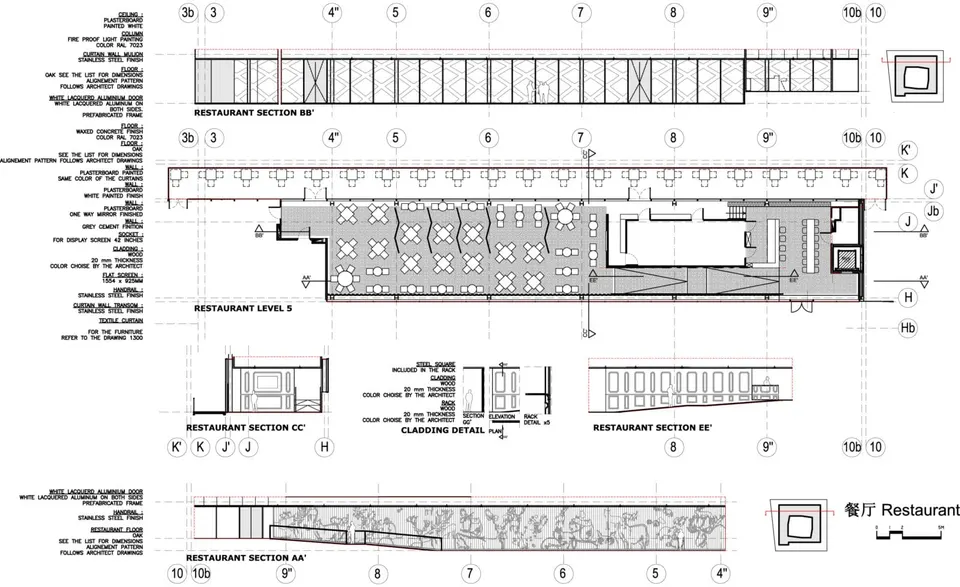
On the roof terrace, visitors finally discover the 6th Sense, the gourmet restaurant of the Pourcel brothers. Its décor, a contemporary echo of the Grand Siècle and Versailles, gives pride of place to animals, which appear in the panelling, tapestries and woodwork of a fairy-tale setting.
The scenography thus offers a generous vision of the city, and a serene, confident attitude towards the 21st century – one in which change and invention go hand in hand with the permanence of freedom, cultural identity, humanism and the pleasure of living in the city.
Gallery
19 images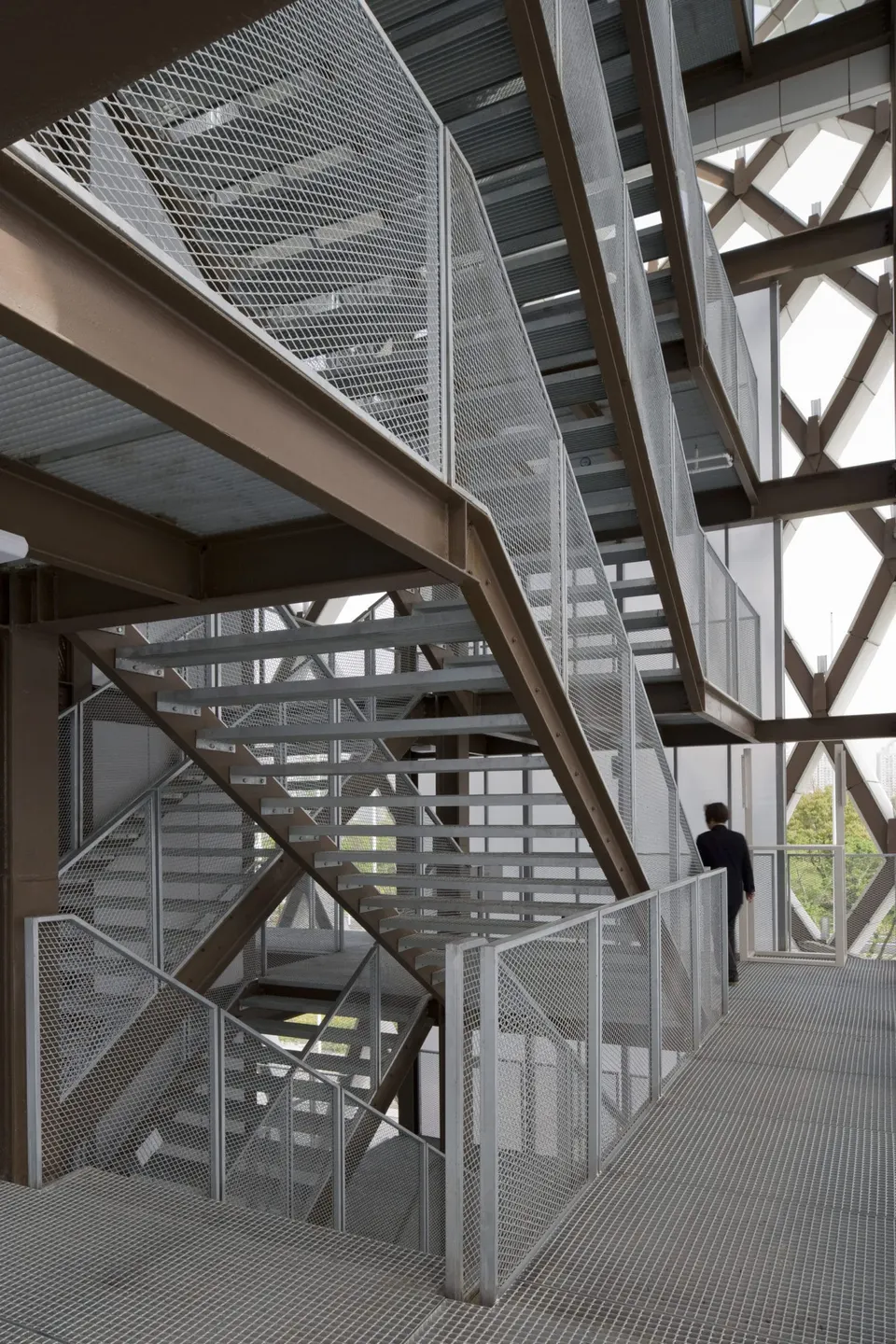
- © Jean-Paul Planchon
- © Jacques Ferrier architectures/image Ferrier Production