
The 10 secret ingredients of iconic architecture
Each of these unique qualities can help create a truly legendary building.
‘Architecture should speak of its time and place, but yearn for timelessness.’
Frank Gehry’s words express the desire of many architects to design truly iconic buildings, ones that will stand as a legacy to their ingenuity long after their authors have died. But what makes a building timeless or iconic? For some, the answer lies in innovation: Patrik Schumacher, a member of the A+ Awards jury, has argued that great architecture must involve ‘the convincing application of new ideas’, and that buildings regarded as icons often have an innovative aspect. For Gehry’s Guggenheim Museum in Bilbao, it was the application of parametric design on a large scale. For the Burj Khalifa, it is unrivalled height. For the Eiffel Tower, it was the use of steel in quantity in a city defined by stone.
Beyond pure innovation, many other factors crop up again and again when looking at architecture that is widely recognised as iconic. Some of them may simply help your project triumph at the A+ Awards, one of the leading prizes in architecture and materials, whose entry deadline is 13 April. As you decide whether to enter, take a look at these 10 ‘secret ingredients’ of iconic design, each of which can help boost a building’s legendary status…
1) A unique silhouette
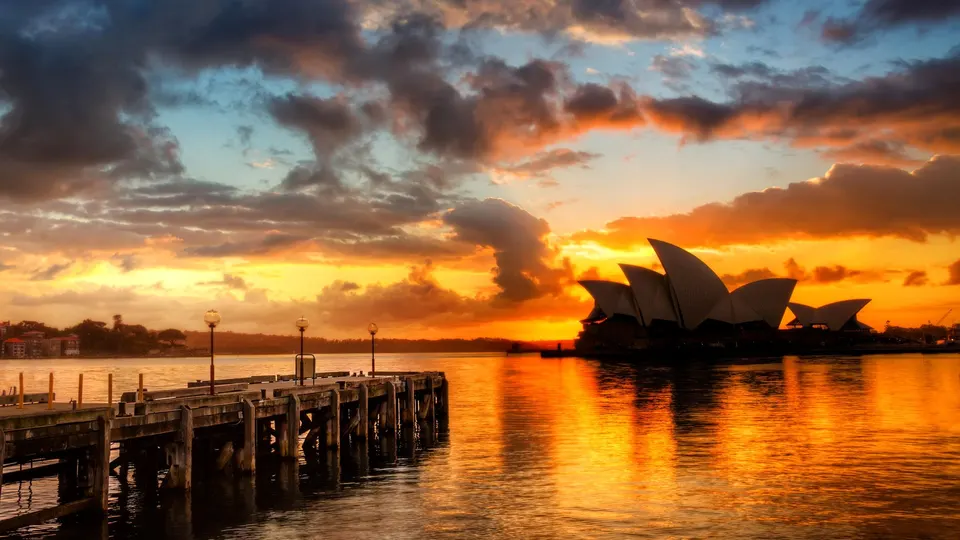
Some mentors in architectural history argue that the key to iconic architecture down the centuries lies in its silhouette, and that the most recognisable buildings can be drawn in a single line on a page. The theory holds for the pyramids of Giza, the Eiffel Tower in Paris and the Sydney Opera House. Some silhouettes are unique, while others become less so because of the ubiquity of their style – the classic form of the Empire State and Chrysler Buildings is a perfect example, yet these towers remain every bit as iconic.
2) Pure simplicity
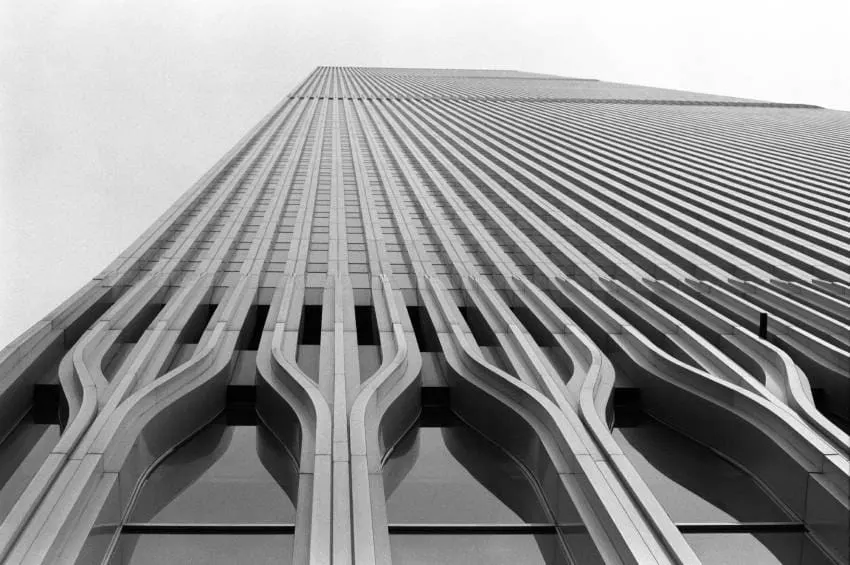
Going hand in hand with the unique silhouette, simplicity is a common factor in many of the world’s most famous architectural landmarks. A single, striking gesture can produce a highly memorable structure – look at the uncompromising verticality of Minoru Yamasaki’s Twin Towers, or the smooth form of Norman Foster’s 30 St Mary Axe, better known as the Gherkin. Of course, there is always an exception to the rule – Frank Gehry’s Guggenheim Museum in Bilbao is anything but simple, which did not stop it from earning a place among the world’s most celebrated buildings.
3) Perfect symmetry
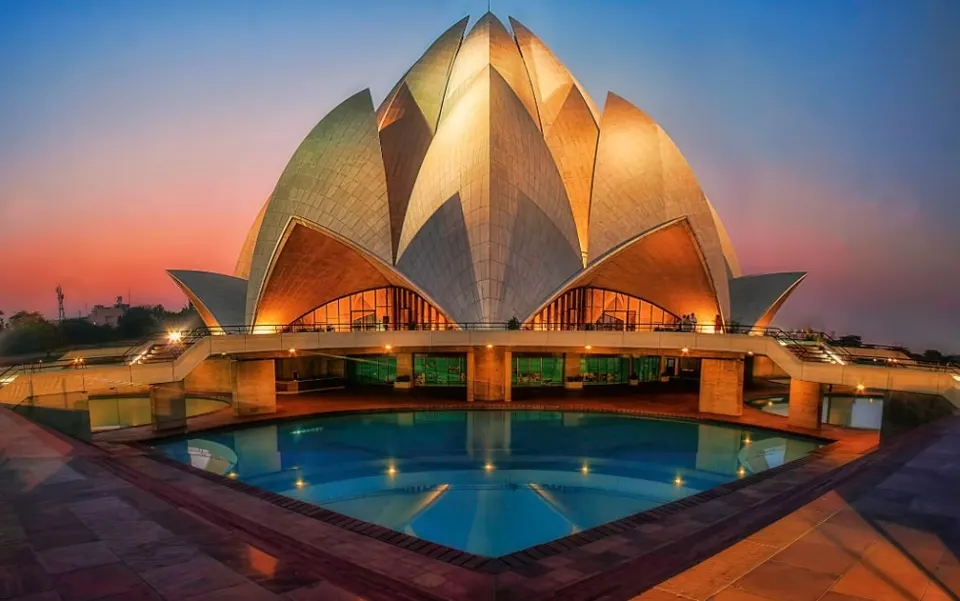
Gehry’s Bilbao museum once again breaks the rules, yet symmetry is a constant when one looks at the best-known buildings around the world. The Empire State Building, the Burj Al Arab, Hagia Sophia, the Taj Mahal and the Baha’i Lotus Temple all use strong symmetry to leave an impression on the mind of anyone who visits them. It takes a courageous architect to defy the order of symmetry, and Daniel Libeskind is one of them, having done away with symmetry at the Military History Museum in Dresden, to controversial effect.
4) A poetic metaphor
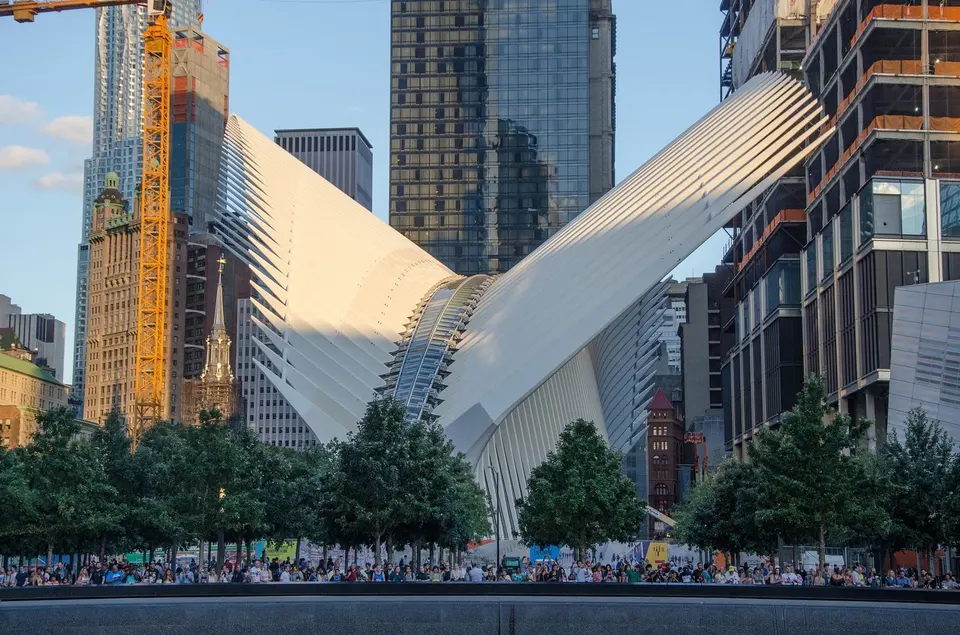
Architecture has long been used as a symbol to represent a person, a region or an entire city – take the Gateway Arch in St Louis, designed by Eero Saarinen as a monument to the westward expansion of the United States and widely regarded as a masterpiece of patriotic design. At the more emotive end of the spectrum, Santiago Calatrava’s PATH terminal in New York evokes a bird taking flight – a multilayered metaphor for freedom, peace and the spirit of adventure, all key elements of the American dream.
5) An honest use of materials
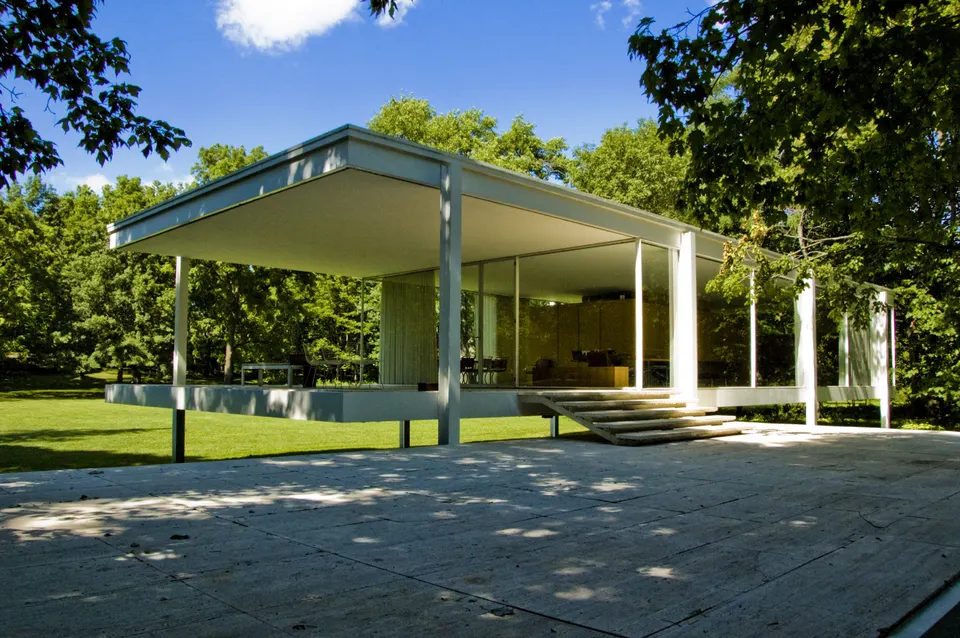
Many architects throughout history have advocated using materials to their strengths and leaving them exposed so as to communicate their nature. From the stone columns of the Parthenon to Felix Candela’s concrete shells, this has remained a common ingredient in the design of iconic buildings regardless of context, programme or scale. Le Corbusier exploited the raw strength of concrete at Chandigarh, Louis Kahn used brick in Dhaka and Ahmedabad, and Mies van der Rohe let steel beams speak for themselves in places such as the Farnsworth House.
6) A moment of bravery
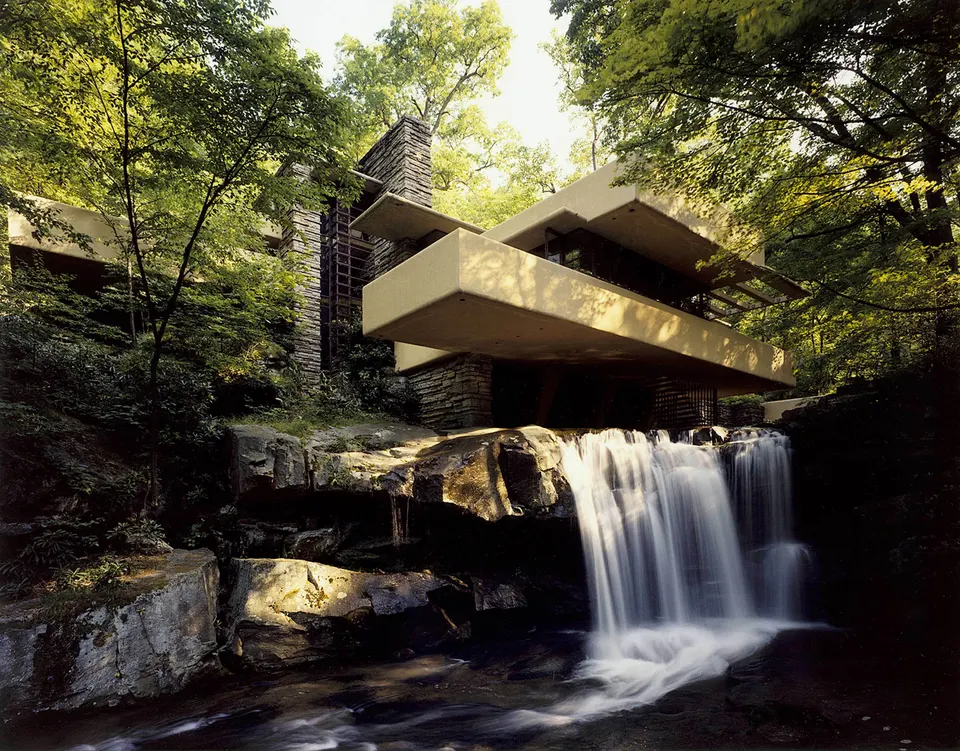
The artist Henri Matisse once said that ‘creativity takes courage’, and architects know it only too well. Stepping outside convention to produce a truly iconic structure demands bravery, something Frank Lloyd Wright had in mind. Take Fallingwater: when the Kaufmanns asked him to design their weekend house, Wright was expected to place it near the river, in a spot that would frame the beautiful waterfall at the centre of the wooded site. Instead, he positioned it directly over the flowing water, creating a moment of architectural drama that has made the house widely recognised as the most iconic residential building on the planet.
7) Engineering brilliance
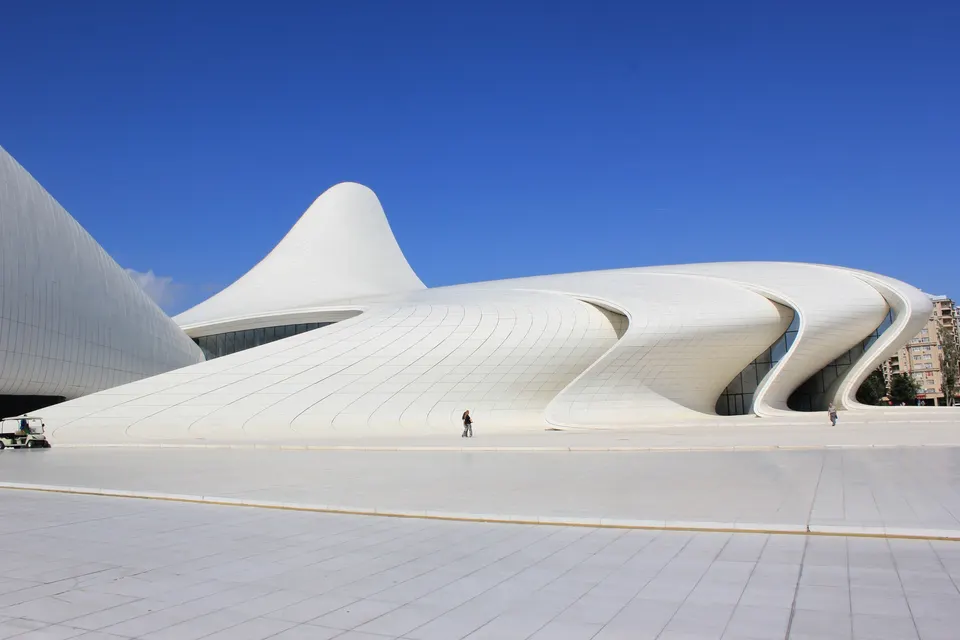
As Architizer noted in its special issue, many of the world’s best-loved icons were shaped in large part by teams of innovative engineers, working in collaboration with architects to find ways of making their visions a reality. Two of the best-known examples are the Eiffel Tower, named after the engineer who refined its now immortal curved structural elements, and Jørn Utzon’s Sydney Opera House, which was realised thanks to close collaboration between the architect and the engineers at Ove Arup. A more recent example is the form of the Heydar Aliyev Centre by Zaha Hadid Architects, a sinuous marvel brought to life with the help of Werner Sobek, AKT and Tuncel Engineers.
8) Defying the context
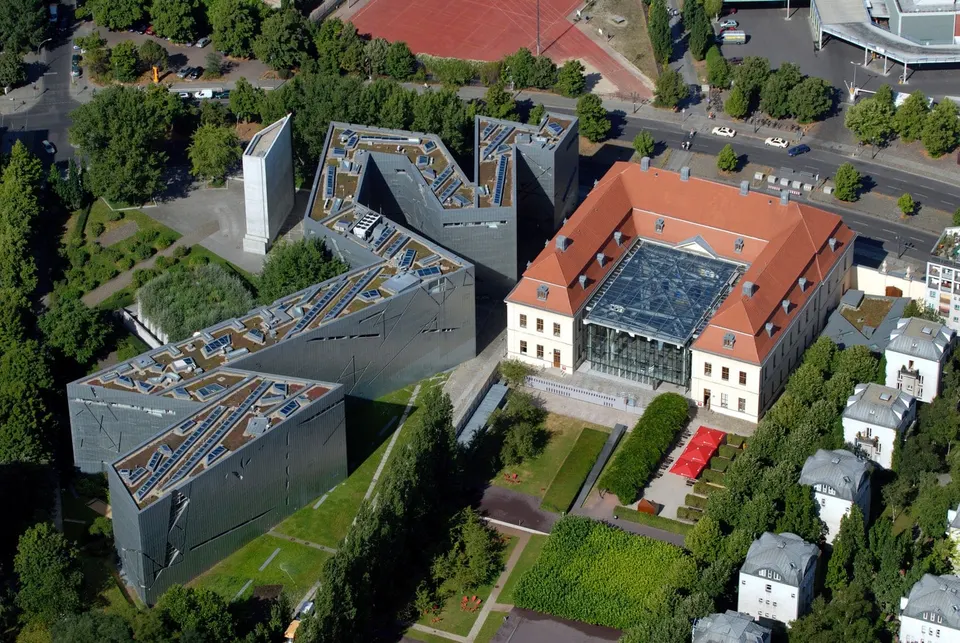
While many architecture awards reward projects that blend seamlessly into their surroundings, the beauty of a building sometimes lies in its contextual contrast. Daniel Libeskind’s emotive extension, the Jewish Museum Berlin, is an excellent illustration – the Polish-American architect’s jagged metal form is at odds with the architectural language of the existing museum, fulfilling its role as a startling structure that represents the turbulent and often tragic journey of the Jewish people through recent history.
9) A brilliant backstory
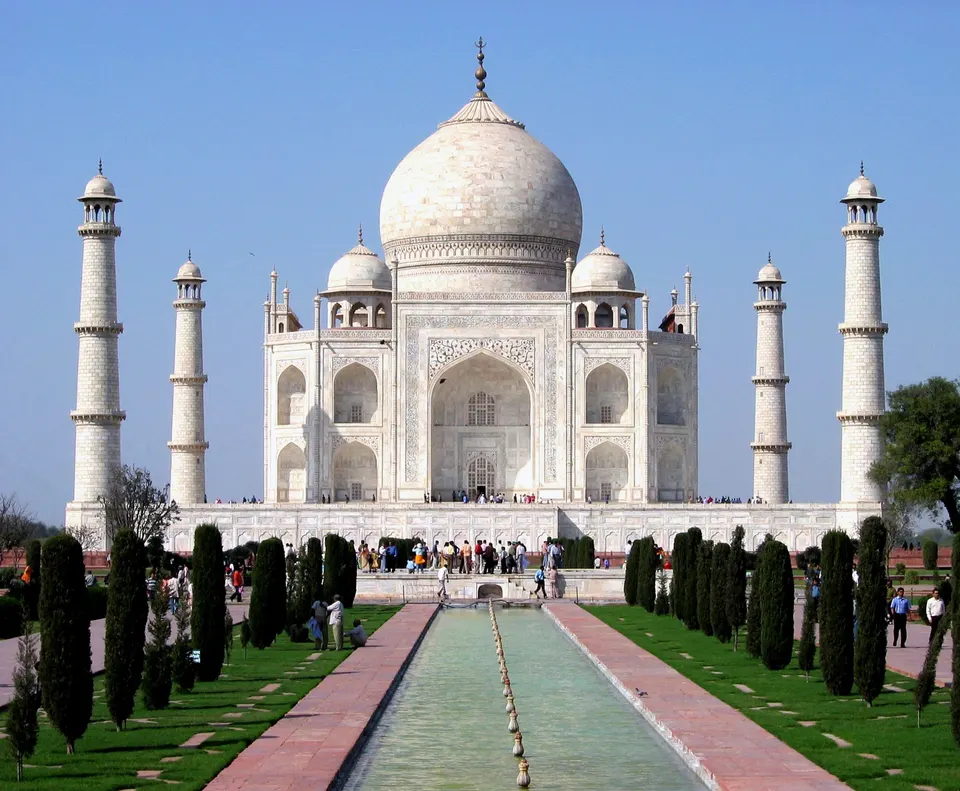
Many iconic buildings take on added meaning once the reason for their existence is revealed. Take the Taj Mahal, for example – the ornate mausoleum was designed and built for Mumtaz Mahal, the favourite wife of the Mughal emperor, and has been a shimmering symbol of love for three and a half centuries. The English poet Sir Edwin Arnold described it best as ‘not a piece of architecture, as other buildings are, but the proud passion of an emperor’s love wrought in living stones’. Few works of architecture have such emotional power.
10) The ideal client
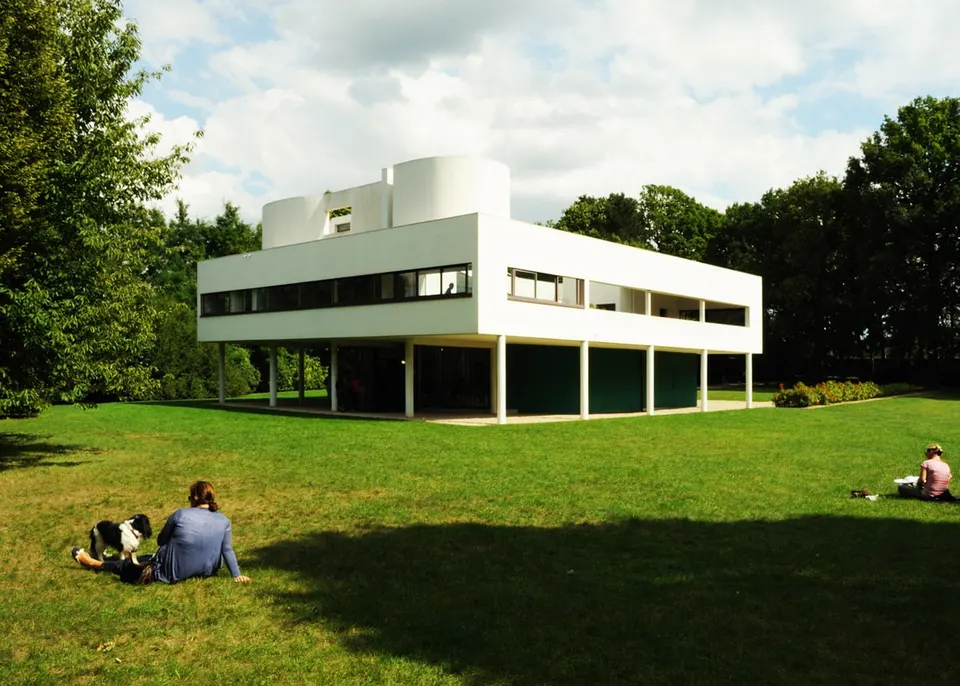
‘Behind a good project comes a great client,’ says Fran Silvestre of Fran Silvestre Arquitectos, and the statement could not be more pertinent to iconic architecture. That is because the pursuit of an icon demands great resolve from those who commission it: a willingness to endure inevitable setbacks and potential budget overruns as their architect strives to create something completely unique. Consider the Villa Savoye, for example, where the clients gave Le Corbusier ‘such freedom with the work that he was limited only by his own architectural palette’. The result? An iconic example of residential modernism.
This article was originally published on Architizer. Actuarchi’s ActuarchiSelected section is a selection of the best articles published abroad.
This article was originally published on Architizer.