
Revit Architecture from Eyrolles, by Julie Guézo and Pierre Navarra
BIM is on everyone's lips. It is also filling the bookshelves, as publishers respond to the upheaval it has caused. Architect Julie Guézo and engineer Pierre Navarra have written Revit Architecture, a book that aims to help readers get to grips with the software within a BIM process.
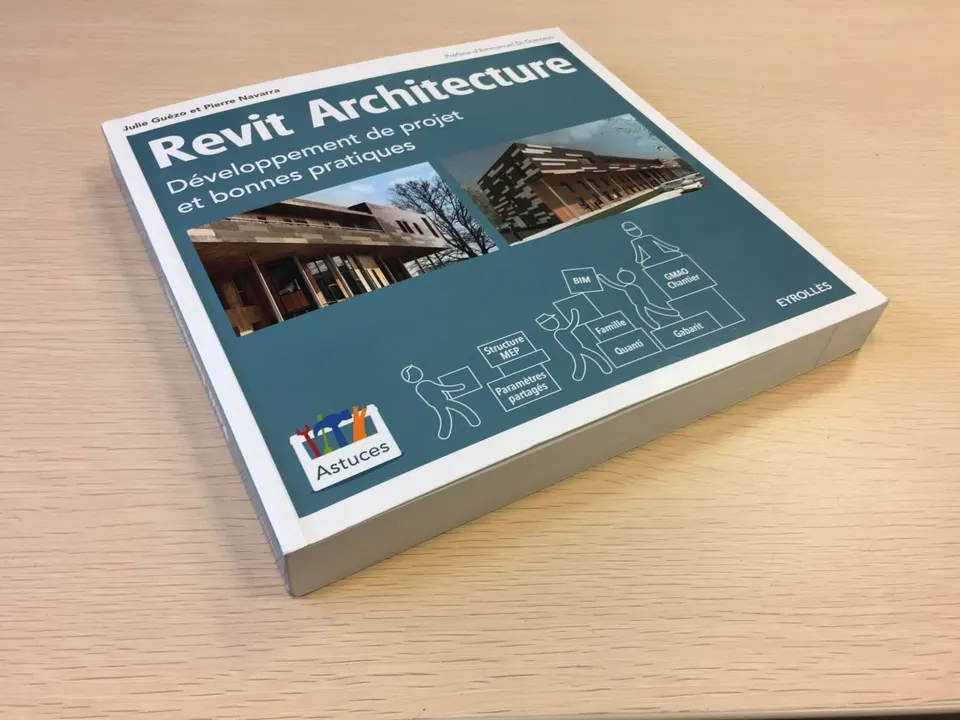
The two authors have chosen to build the book around a single building, using it to describe the successive stages of design. It is often mentioned at the start, but gradually fades into the background as the chapters go on. The chapters follow one another chronologically, and the more technophile readers will find a few pointers on adding their own custom components to their projects.
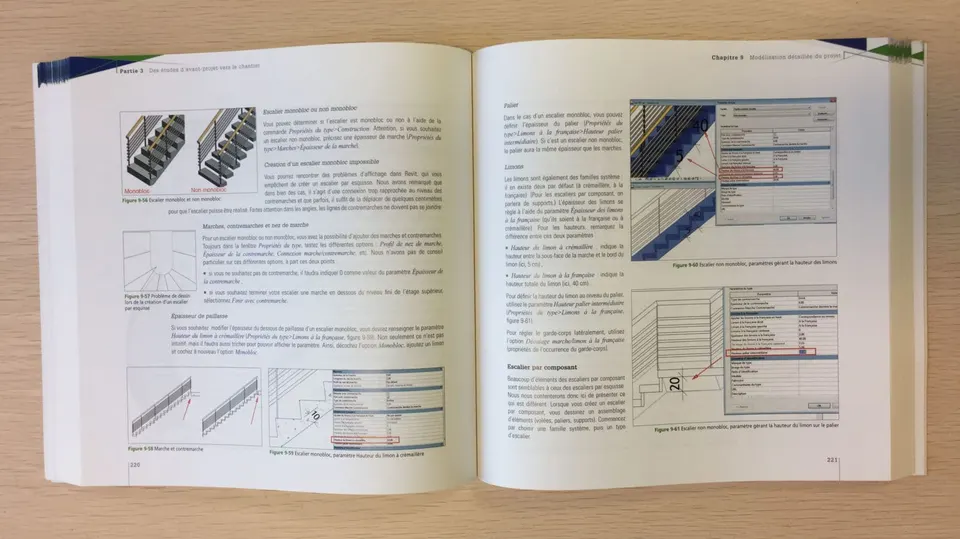
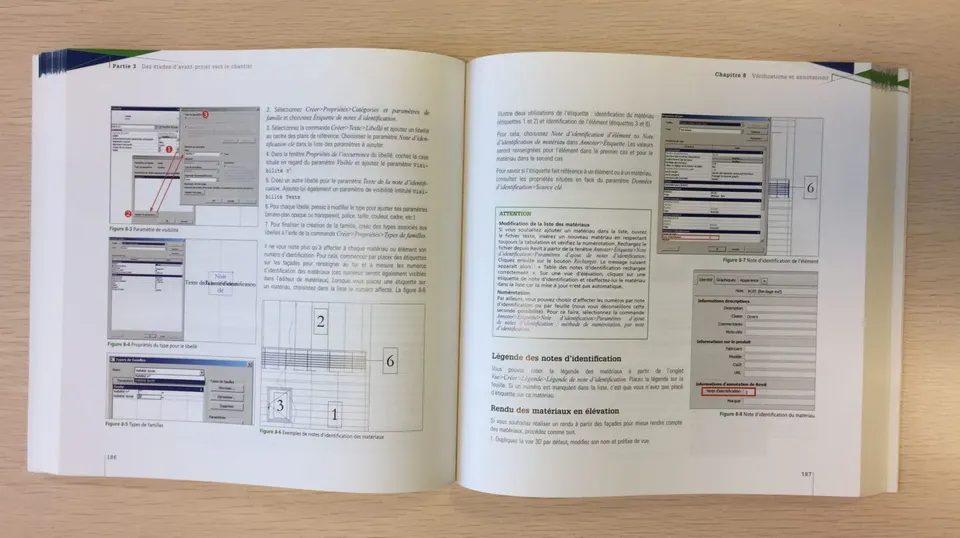
Software manuals are generally hard going, so it must be said that a real effort has been made here. The book is not unpleasant to read, and a sense of personality comes through, which makes discovering the software more enjoyable. Personally, what I appreciated most were the little boxes of tips: pragmatic advice that clearly comes from experience! You will also notice that the book is generously illustrated with colour screenshots.
As the title suggests, the book focuses on Revit. I would therefore advise anyone interested who has not been trained in this approach to start with a book on BIM project management, and to opt for this one once the choice of Revit has been made. It is not intended to teach you how to run a BIM project, but to help you master Revit, the software that implements it.
Revit nonetheless has significant drawbacks compared with its competitors (ArchiCAD, Allplan and others), such as the fact that it is not available on Mac. Choosing Revit because its interface resembles AutoCAD would be a big mistake. The most important thing is to adopt the BIM process rather than the software; you will not save any time by choosing Revit over ArchiCAD if you already use AutoCAD.