
Olivier Darmon's Nouvelles maisons économiques, published by Ouest France
Journalist Olivier Darmon has published the sixth volume in his Archi Pas Chère series, this time on the theme of Nouvelles maisons économiques. The author's aim is to show that it is possible to build at low cost without compromising a project's aesthetic and environmental qualities.
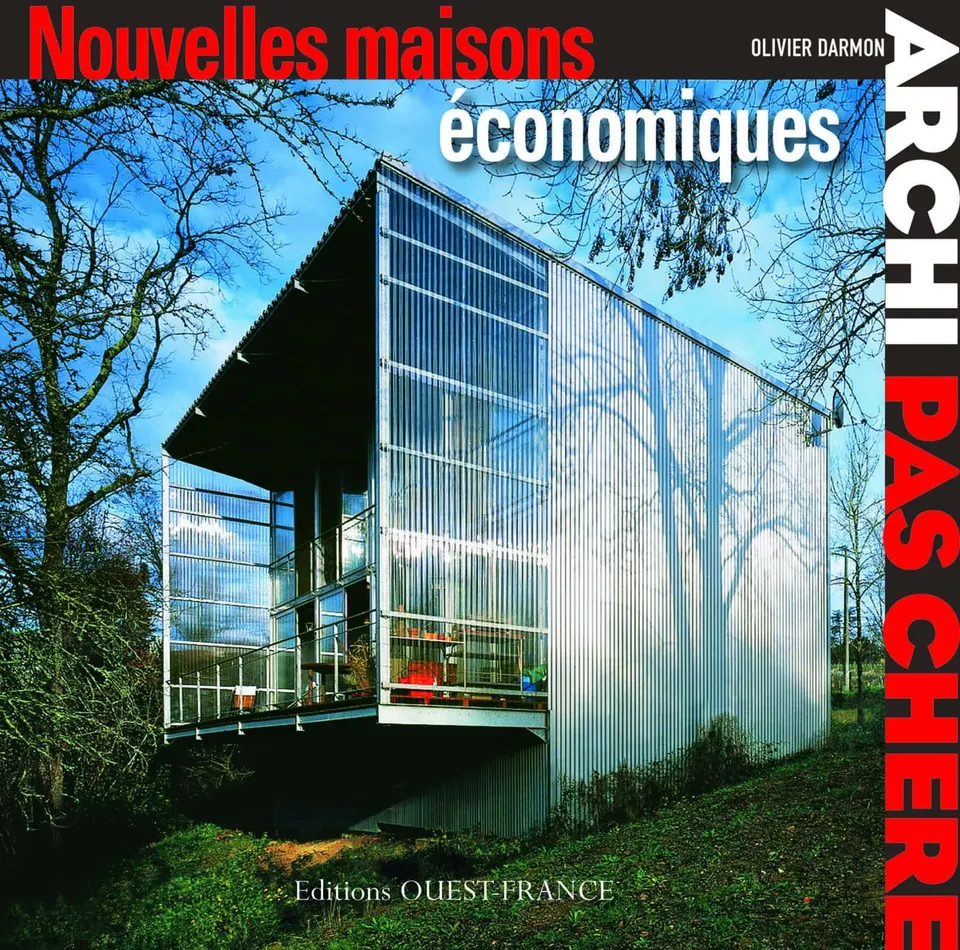
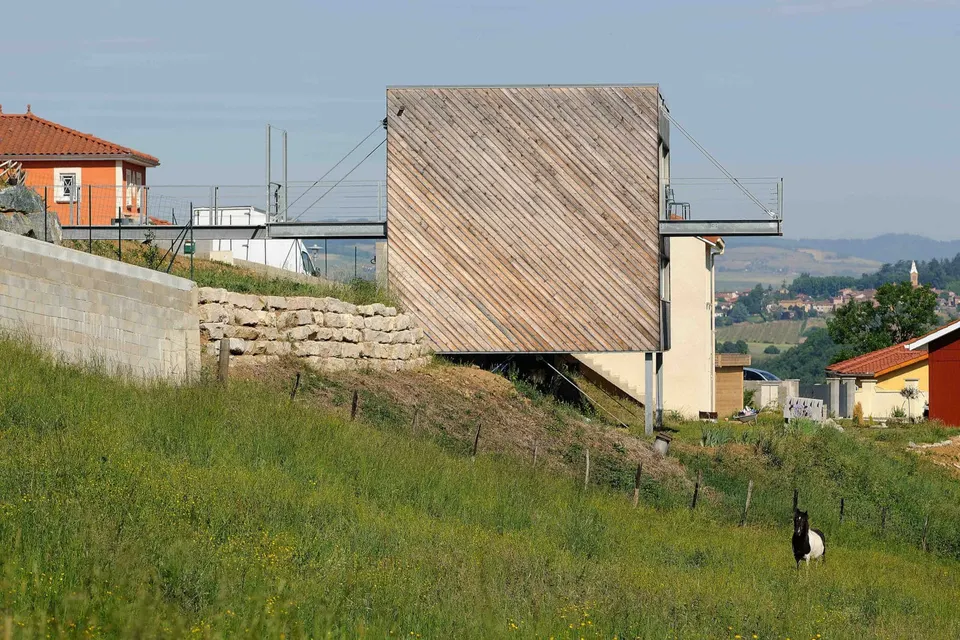
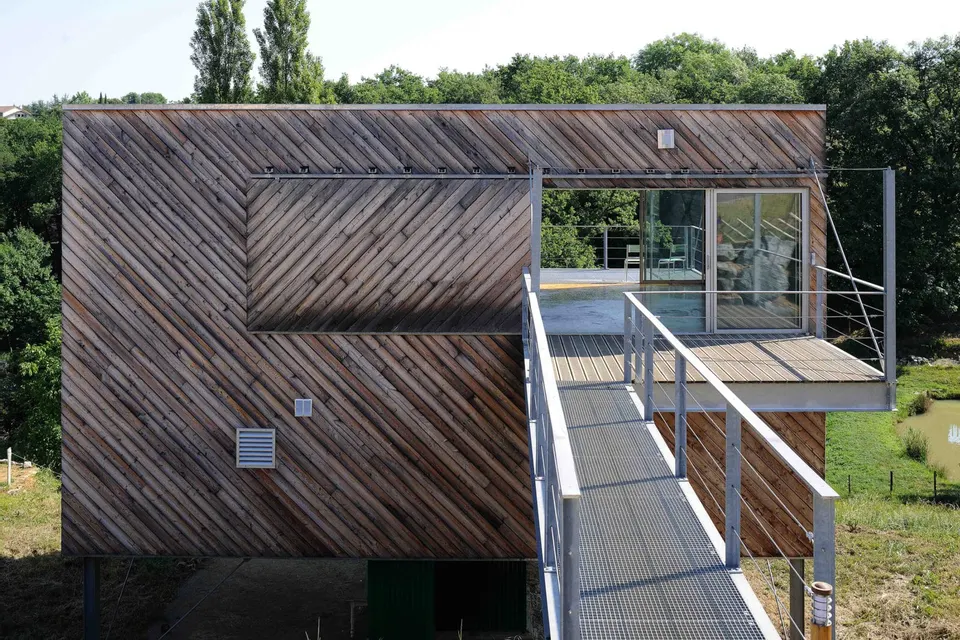
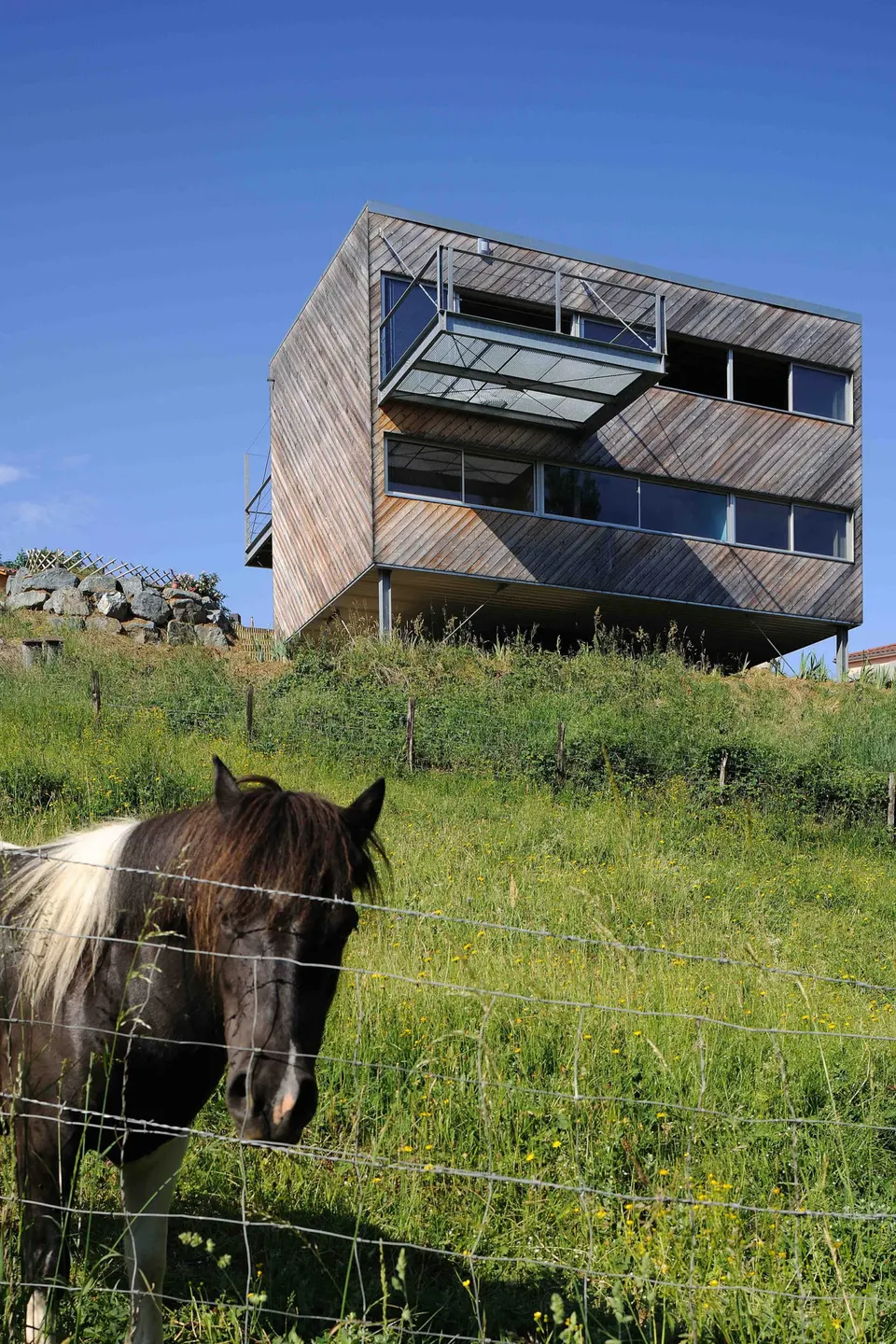
Through some fifteen projects, he demonstrates that architecture, ecology and economy go perfectly together. The projects featured in the book were completed in 2010 or 2011, with budgets ranging from €87,000 to €137,000 excluding fees, or between €946 and €1,307 per square metre.
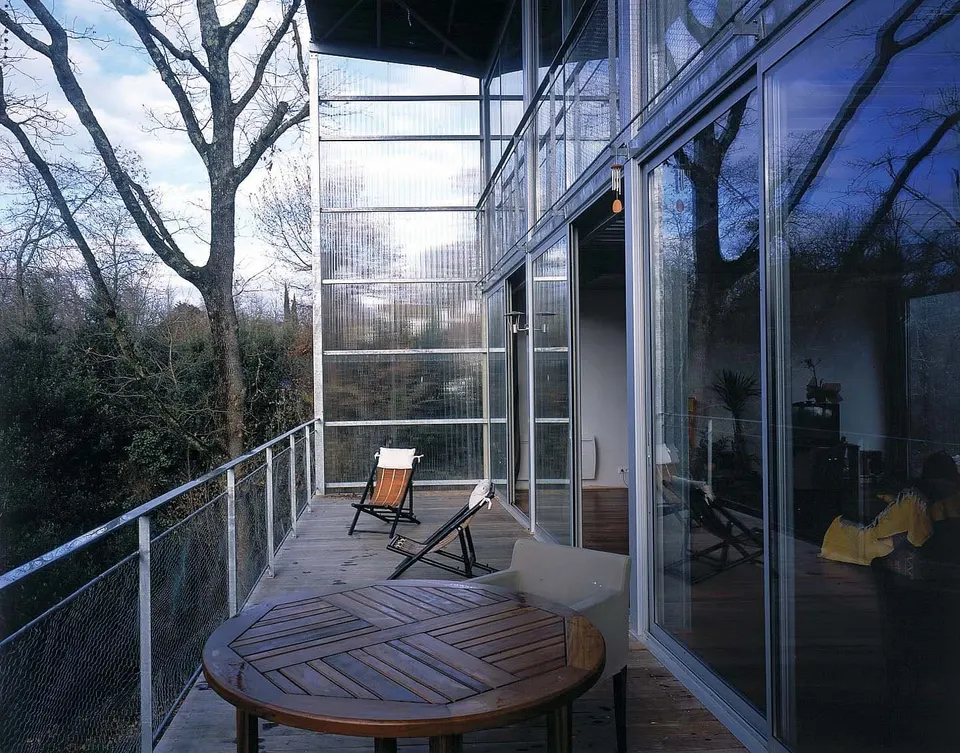
In his book, Olivier Darmon seeks to dispel the preconceptions of private clients during the consultation phase. This is borne out by Isabelle Thauvel, DPLG-qualified architect and director of the CAUE du Loiret, who observes that private individuals turn more readily to a building contractor than to an architect, who is seen as unfamiliar and ill-suited to their project (in their eyes). Prejudices about the profession abound, and the public often overlooks the added architectural value that a design professional can bring. The author does not forget to point out the incompetence of property developers, or rather their knack for selling you a product that suits only their own catalogue and their own pocket.
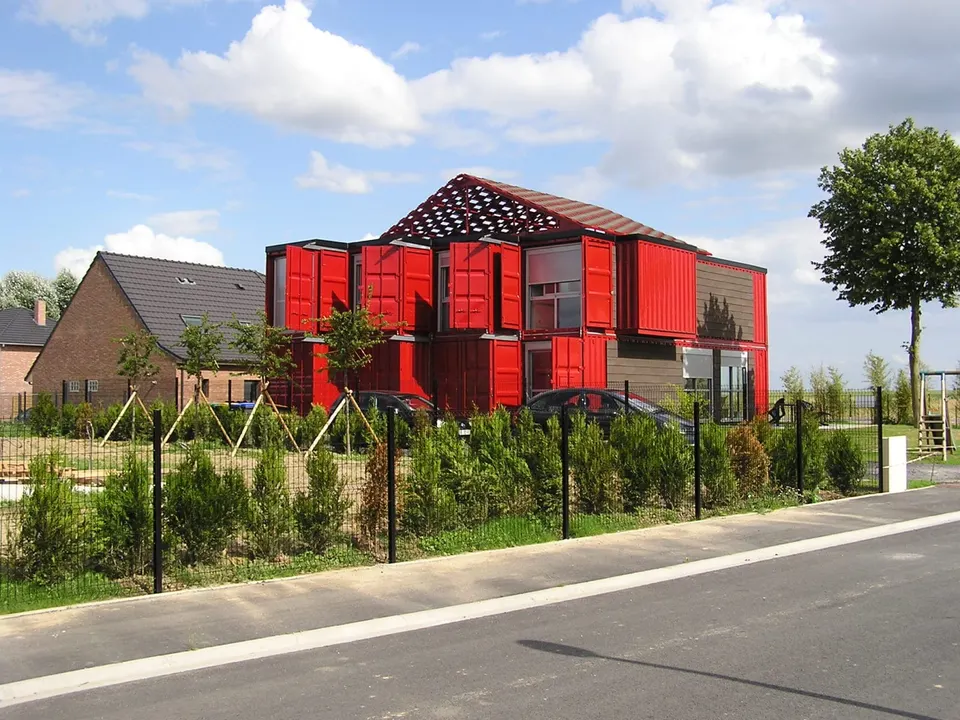
The author did not simply meet architects and write up their portfolios; he also, and above all, turned to the clients, the families for whom an architect was not the person they had in mind for building their family home.
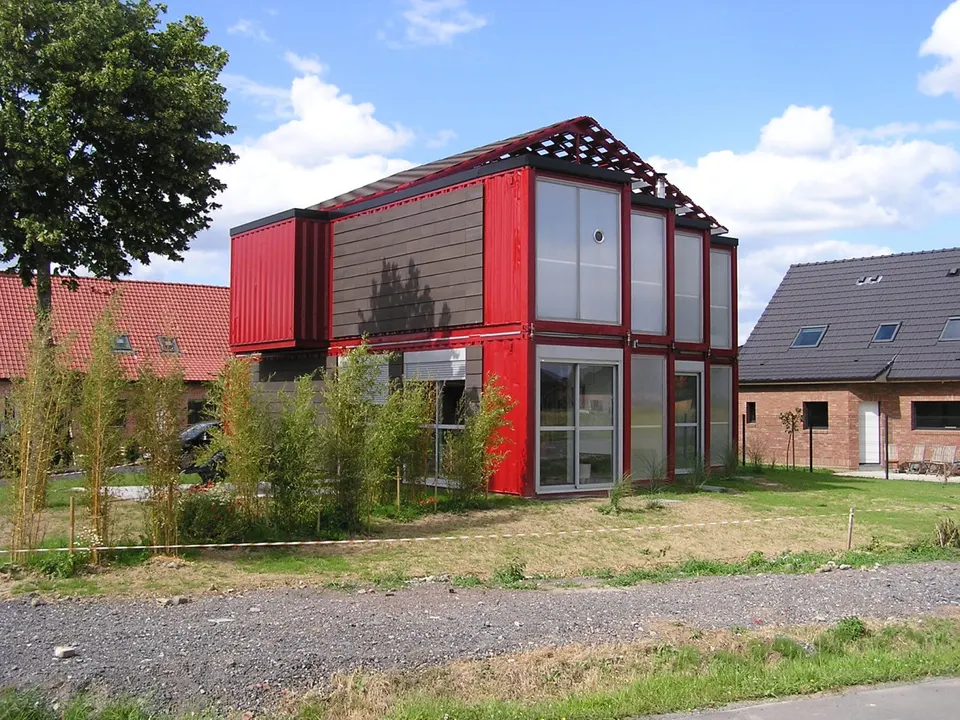
The book contains fifteen projects with complex briefs, often on very tight budgets or on restricted plots, such as Xavier Fouquet's house on the outskirts of Nantes. The house designed by the practice Guinée et Potin combines home and workplace, with a range of uses that each answer a specific need.
But before recommending that you buy the book, which stays true to the ideas it champions, namely low cost, Actuarchi wanted to find out more about the author of this defence of the architect's profession.
Kévin P.: You are a journalist by profession. How did your interest in architecture come about?
Olivier Darmon: It came from travel, and from the feelings stirred by encounters with dwellings that moved me: the communal houses of the Ede in Vietnam, the converted barges of Sausalito in California, the stilt villages of Phang Nga Bay in Thailand, barns in Wyoming… Or the rather frightening urban model of certain cities, such as Phoenix in Arizona.
Kévin P.: Did this desire to defend the profession stem from personal experience, from a bad run-in with a property developer?
Olivier Darmon: No, just the common experience of seeing housing estates on the edge of towns! The first title was conceived at the end of 2005, when the Borloo scheme for the “€100,000 house” was getting a lot of media attention, but mainly for its financial and socio-political aspects: the mainstream media said nothing about the architecture of the house. It was, in a way, an opportunity to show that budget constraints were not an insurmountable obstacle to good architecture, in short that the estate house was not inevitable. To take just the example of Lacaton & Vassal's Latapie house (1993), it was already twelve years old and had inspired several other projects. The aim was to make that known to a public unfamiliar with architecture.
Kévin P.: You could have been content to present low-cost projects, yet many of them also reconcile this with ecology, which was at the heart of some of your earlier books. Is that simply because of the link between the two notions, or is it also a wish to champion healthy building?
Olivier Darmon: The point is to show that economy and ecology are not contradictory and ought to be complementary. Some traditional dwellings demonstrate this through the measured use of locally available materials, sensible orientation, natural ventilation and so on. In a more contemporary way, the projects presented in Archi Pas Chère pick up the baton in the context we know today: shaped by different lifestyles and a greater appetite for comfort, but also by the energy crisis, rising housing costs and the demands of sustainable development. The latter often causes glitches in the way private clients approach ecology as applied to building. The wish for an environmentally friendly house is expressed, but approached ambiguously, with preconceptions based on what has been heard here and there. Depending on the person, timber-frame construction, heat pumps, ultra-high-performance glazing and so on are seen as indispensable, as if materials and equipment alone were enough to guarantee a responsible home… By presenting suitable projects, the books aim instead to show that the most sensible approach would reverse the priorities: let architectural design ensure the building's sustainability, and so save on technology and the costs it entails.
Kévin P.: Although the book describes the architectural approach of each project, with its constraints and, less commonly, the client's point of view, one senses that it is aimed first and foremost at the general public, with a desire to raise awareness of architecture?
Olivier Darmon: Opening architecture up to the general public is indeed the goal, and that is why the economic angle seemed interesting to me, since it concerns everyone. It is also why the books focus on single-family housing: every survey shows that the house is still the “dream” of a majority of French people, even though it is also established that it is not the most virtuous type of housing. Despite this contradiction, stressing that architecture is not inherently elitist helps build a bond with a public inclined to think that architects are only for “the rich”, or for public buildings. That relationship is then put to use to talk about architecture through projects that are modest in scale and budget, while pointing out the demands that guided their creation.
While waiting for the next instalment, you can get the book from your usual bookshop or from Fnac for just one euro per project.
- Title: Nouvelles maisons économiques
- Publisher: Ouest France
- Author: Olivier Darmon
- Pages: 141 pages
- Format: 19 x 19 cm
- Weight: 428 g
- ISBN-13: 978-2737352393
- Release date: 13 September 2012
- Price: €15